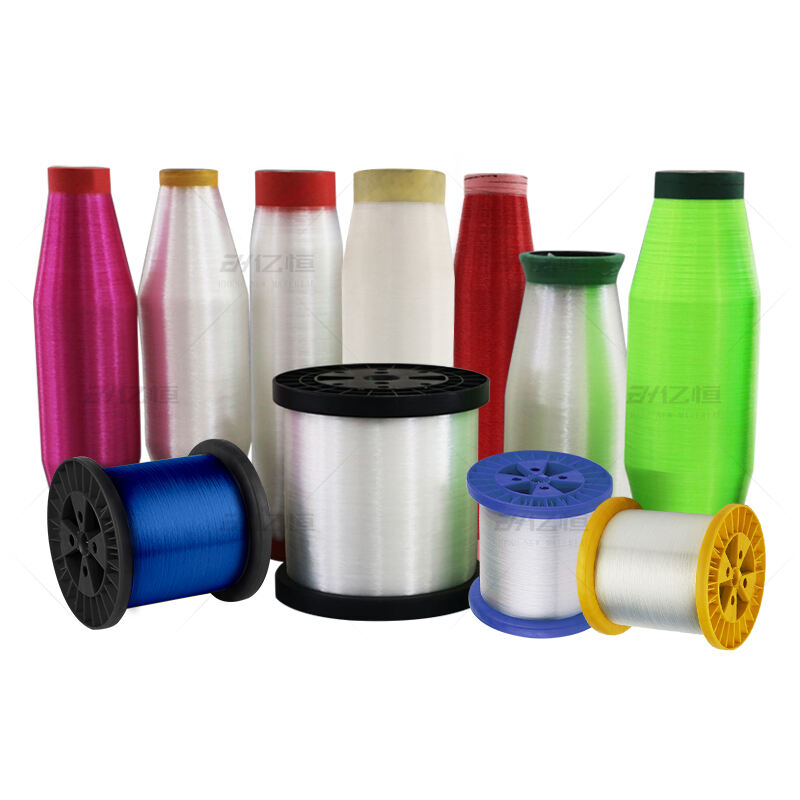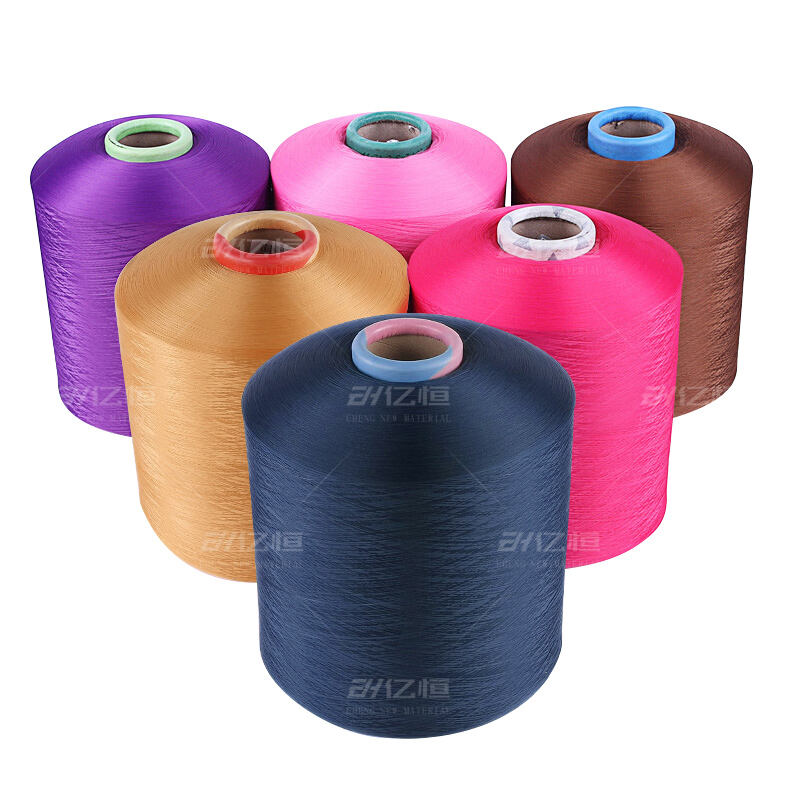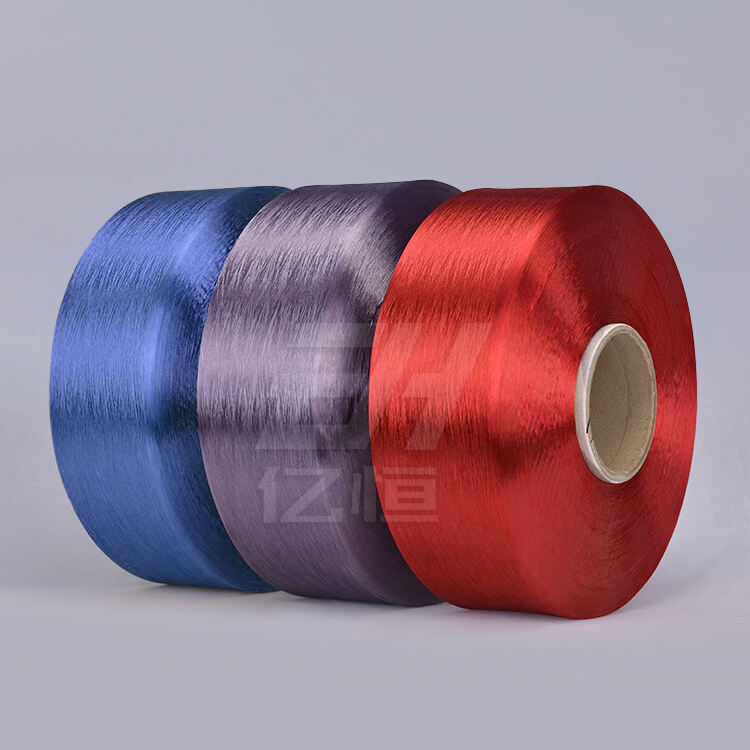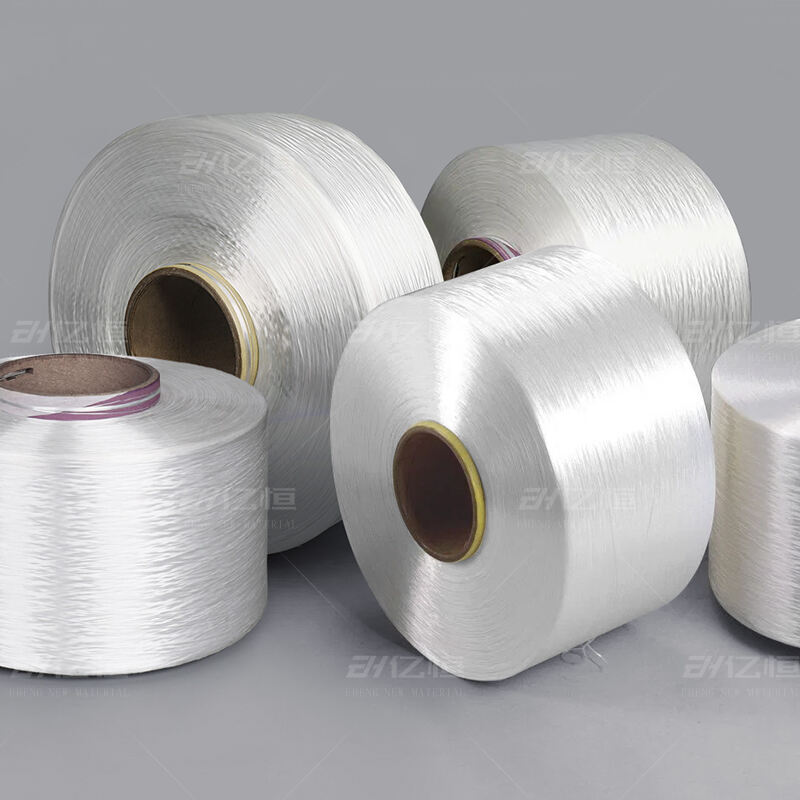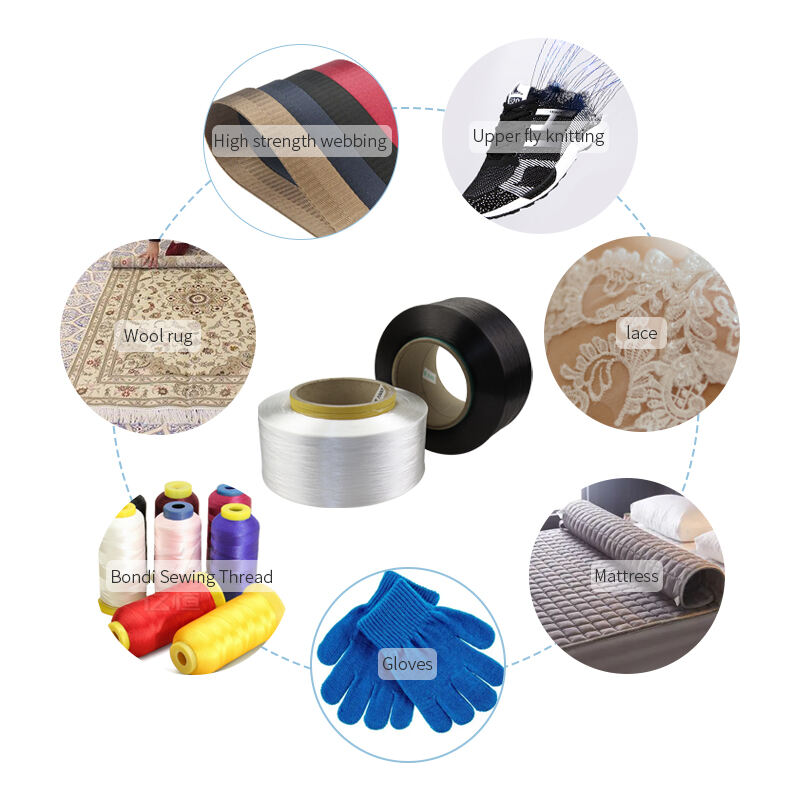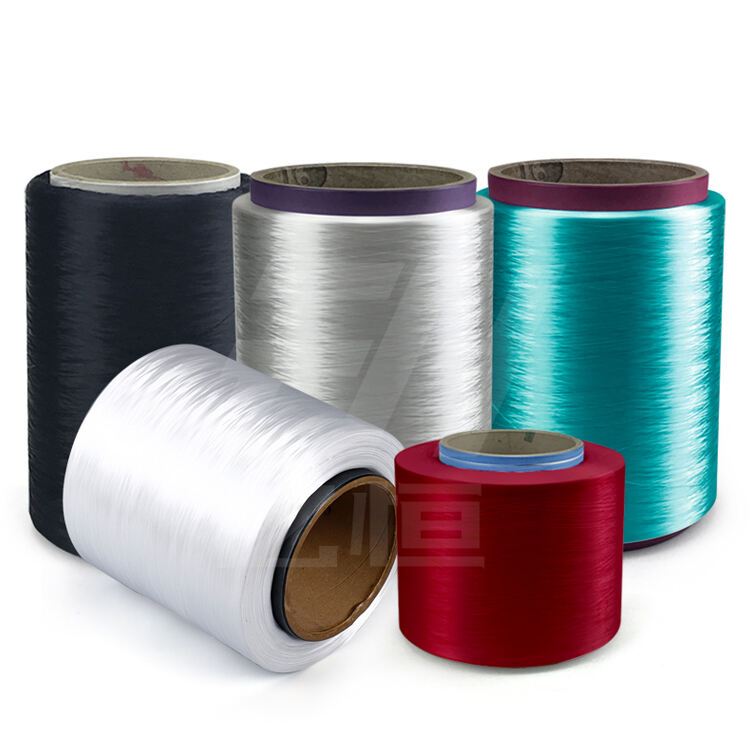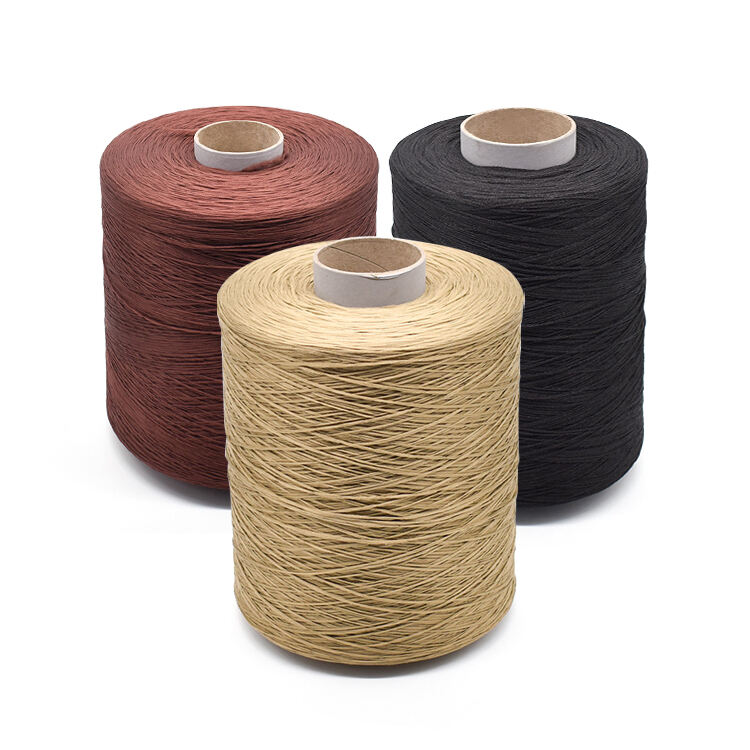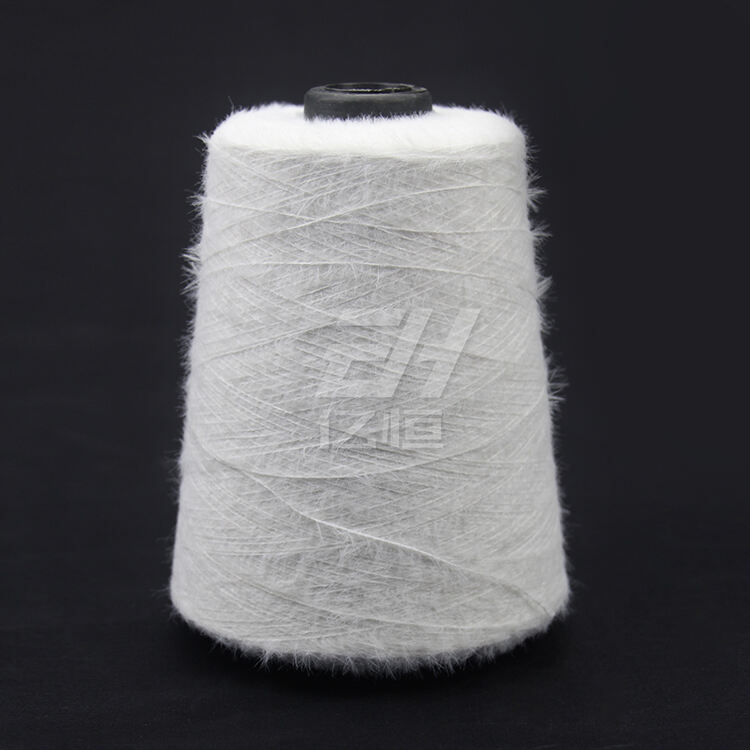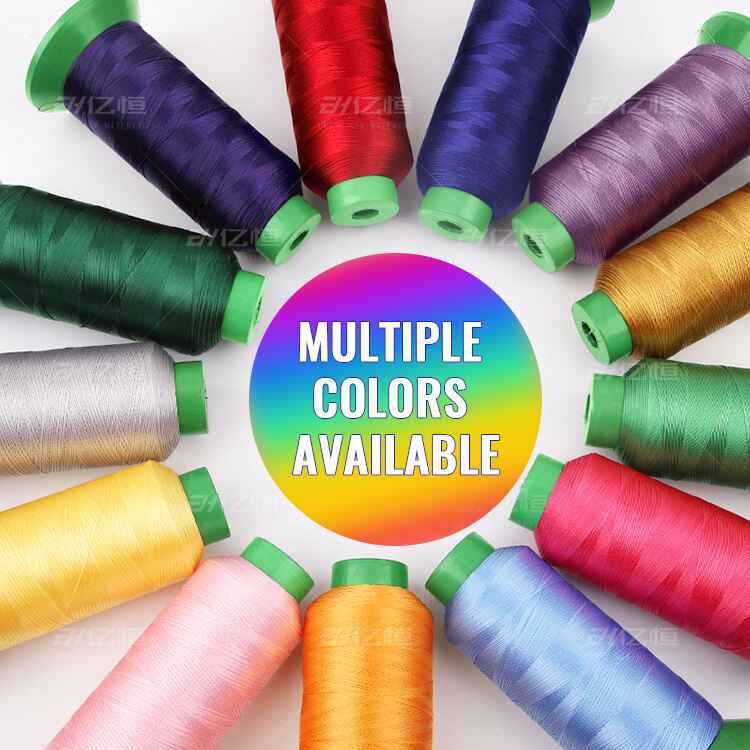
It is a type of special , which is used for clothing and make other types of fabrics. It is produced from synthetic or human-made plastic. This plastic is then converted into long strings, or filaments. A filament is a thin part of the yarn. The filaments are then woven or twisted together into a tough, resilient fabric This can stand the test of time and is suitable for many different kinds of clothing, making it a good everyday fabric.
There are many good reasons why most of the clothing manufacturing industry uses polyester filament yarn. One of the major benefits of this type of yarn is that it is very strong. This means clothing made from polyester filament yarn is more resistant to breaking or tearing, even after being used several times. One of the other excellent properties of polyester filament yarn is that it does not easily got wrinkled. This is a massive plus point because you will not have to iron your clothes as much as the past because they can be worn as they are. Also, this yarn offers a light and thin, which makes it so comfortable to wear. It’s also easy to care for, so you can wash it without fear of ruining the fabric.
What makes polyester filament yarn one of the coolest types of packages is that it is versatile. It also means that it can be spun into a variety of different fabrics suitable for different kinds of clothing. You can sew light and airy summer dresses for the hot days, as well as heavier, warmer winter coats for the cold weather. Polyester filament yarn is available in numerous shades that make it exciting and easy to develop brightly colored clothes designs. Polyester filament yarn can also be blended with other materials such as cotton or wool. The intermingling creates textures and properties in the the fabrics, which opens the door to innovative видов и типов одежды.
Eheng is committed to environmental protection and building a better tomorrow. One key way this formation keeps happening is that we are transforming polyester filament yarn into usefully sustainable fabric for divider clothes. Polyester filament yarn, unlike many other varieties of fiber, is recyclable and can be reused to make new clothes and fabrics. This helps to reduce waste. And, producing polyester filament yarn requires fewer resources than most other fibers, including water and energy. Using this material can help to protect our planet and benefits our environment.
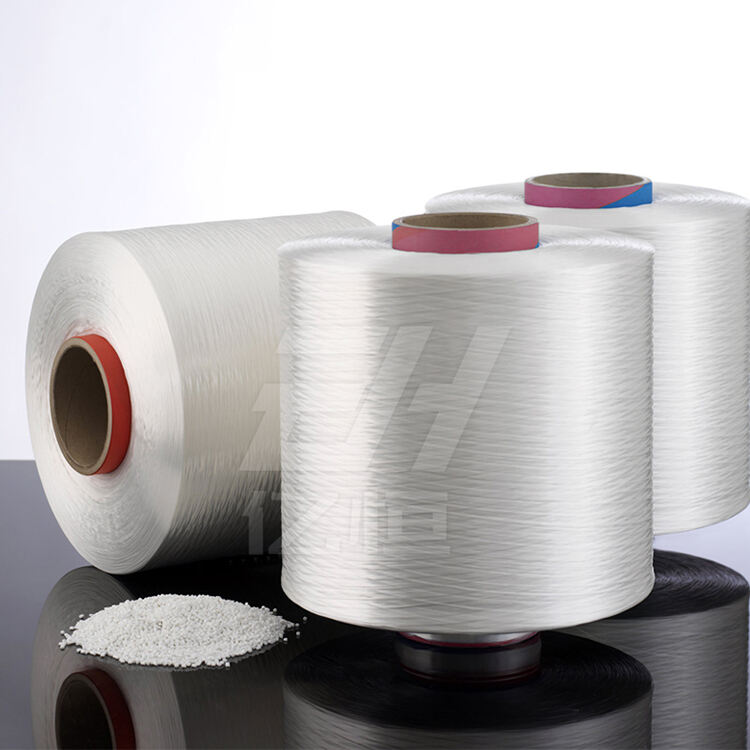
While this comes with a potential downside, polyester filament yarn is a relatively stable and durable option for constructing clothing. T-shirts are also available from this material that does not shrink and stretch out easily. This is significant because it allows the garments to maintain their shape over multiple washes. Additionally, polyester filament yarn has a natural resistance to stains, which allows for easier cleaning and maintenance. This is a very pragmatic feature for daily-use wear, since it means you’ll be able to wear your clothes without worrying about getting something dirty. As this material is heat resistant, it does not melt or shrink easily, being another best advantage of the material. This can be beneficial when using clothes or if they are subjected to heat.
Our products—dyed with eco-friendly colorants and compliant with CPSIA, REACH, and international sustainability standards—are exported to over 20 countries, building long-term trust with partners in the US, Europe, Asia, and beyond.
Supported by an R&D team with over 15 years of experience, we offer extensive customization—from 600+ standard colors to 1–300 kg sample dyeing—ensuring tailored solutions for every client across fashion, textile, and industrial applications.
We operate more than 100 production units with complete in-house dyeing and finishing, backed by a strict quality control system that ensures 100% inspection of every product before shipment, guaranteeing consistency and reliability.
Our high-tech facility specializes in 11 series of differentiated filament yarns—including monofilament, FDY, DTY, PBT, and functional yarns—widely used in apparel, home textiles, and sportswear, with all products certified to Oeko-Tex 100 and GRS standards.
Nantong EHENG produce Monofilament (PA, PES, PET, PP, PLA), Nylon yarn, Twisted yarn, Covered Yarn, Fancy yarn, Sewing thread, BCF yarn, Low melting yarn.
NO.9 Ximeng Road, Development Zone, Haian, China 226600
Copyright © Nantong Eheng New Material Technology Co., Ltd. All Rights Reserved - Privacy Policy
 EN
EN
 AR
AR
 BG
BG
 HR
HR
 CS
CS
 DA
DA
 NL
NL
 FI
FI
 FR
FR
 DE
DE
 EL
EL
 HI
HI
 IT
IT
 JA
JA
 KO
KO
 NO
NO
 PL
PL
 PT
PT
 RO
RO
 ES
ES
 SV
SV
 CA
CA
 TL
TL
 ID
ID
 LV
LV
 LT
LT
 SR
SR
 VI
VI
 SQ
SQ
 HU
HU
 MT
MT
 TH
TH
 TR
TR
 MS
MS
 GA
GA
 LO
LO
 LA
LA
 BN
BN
 SK
SK
 SL
SL