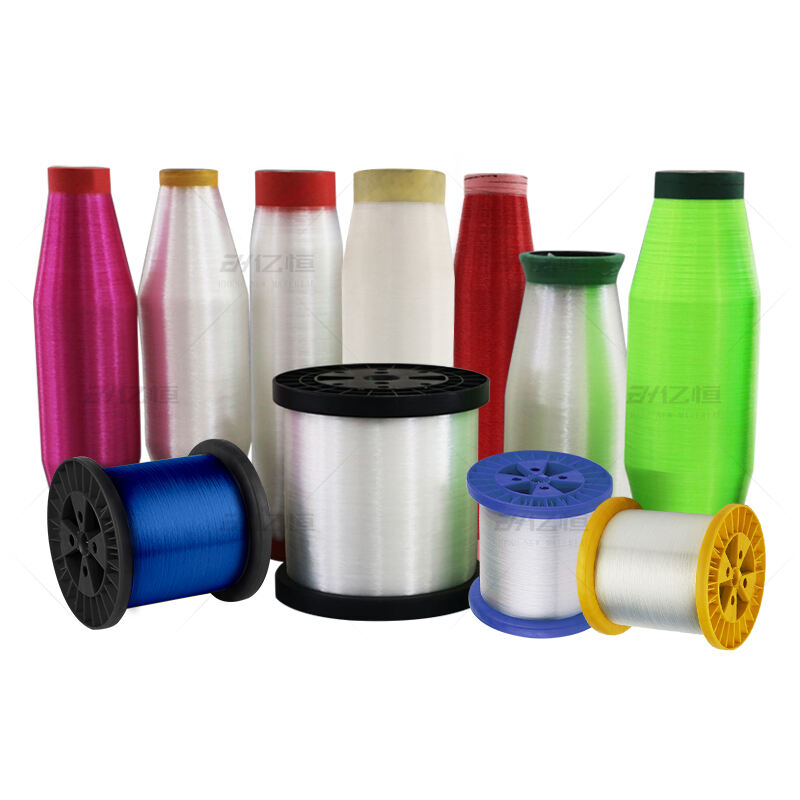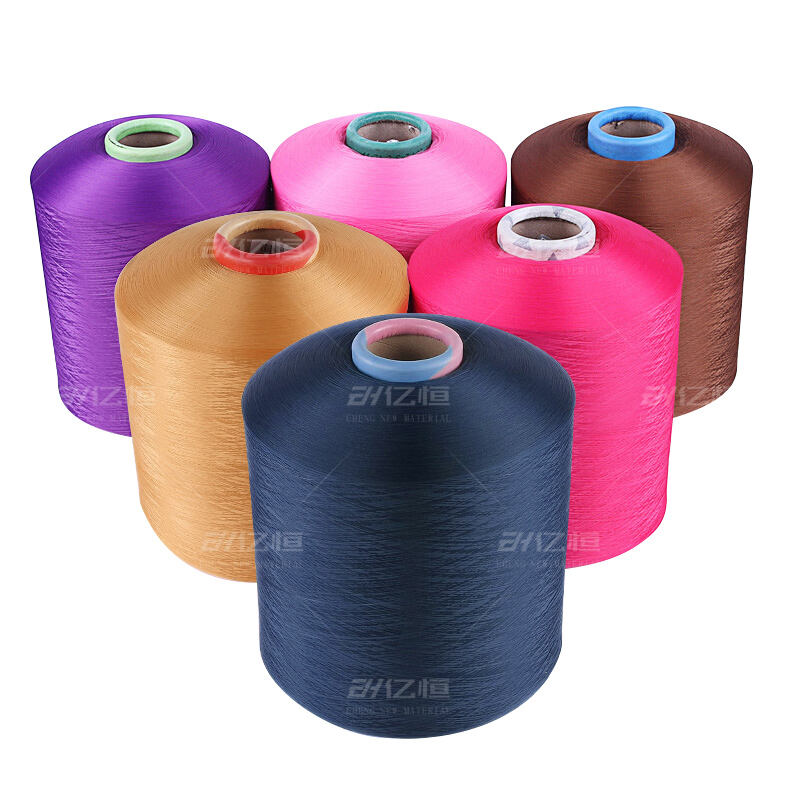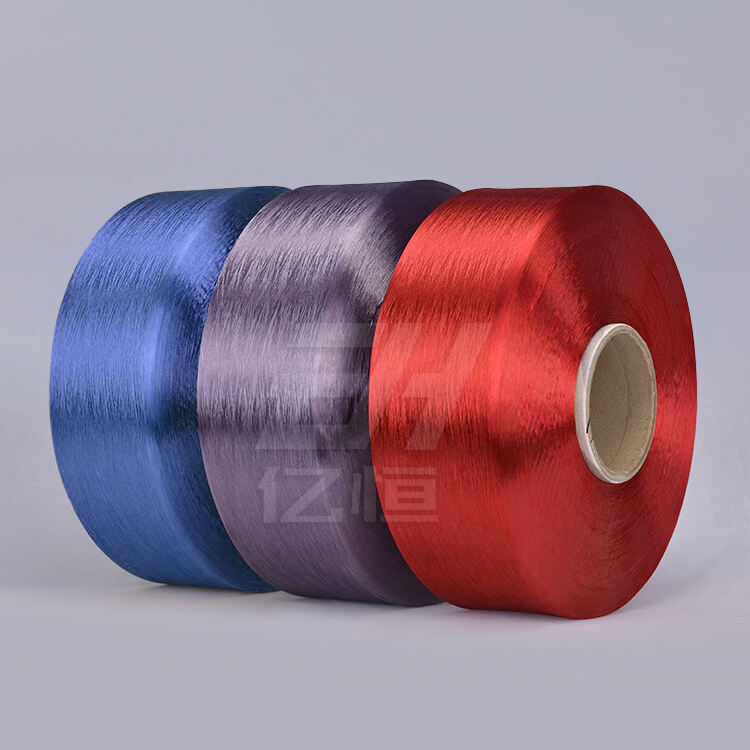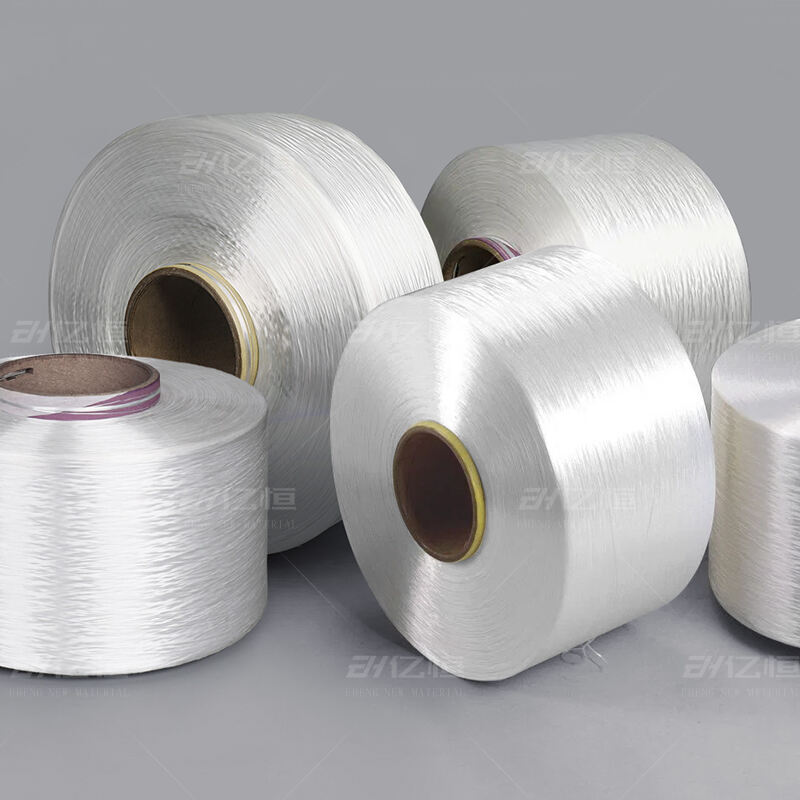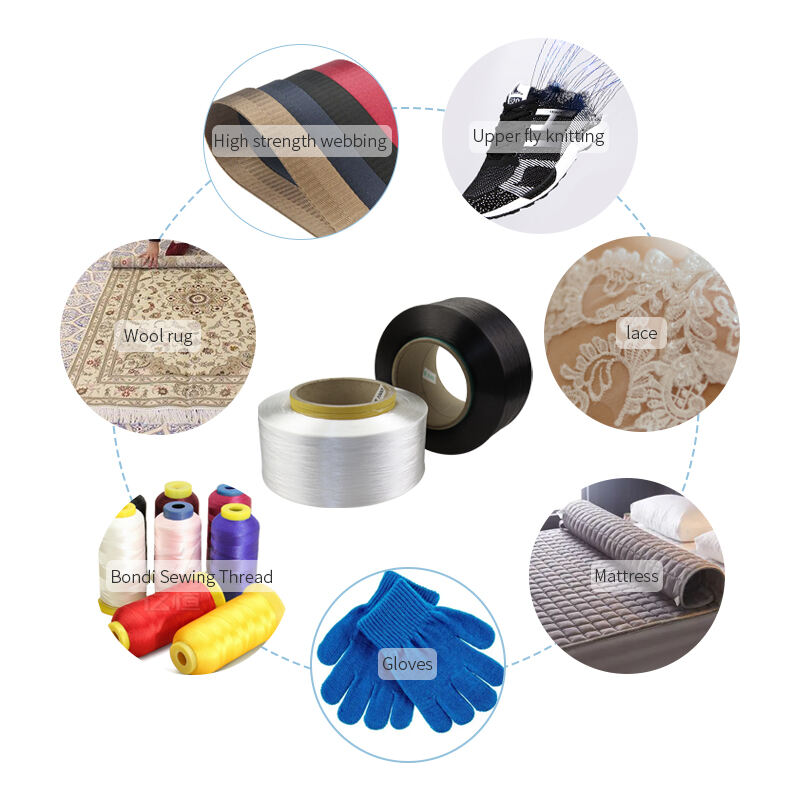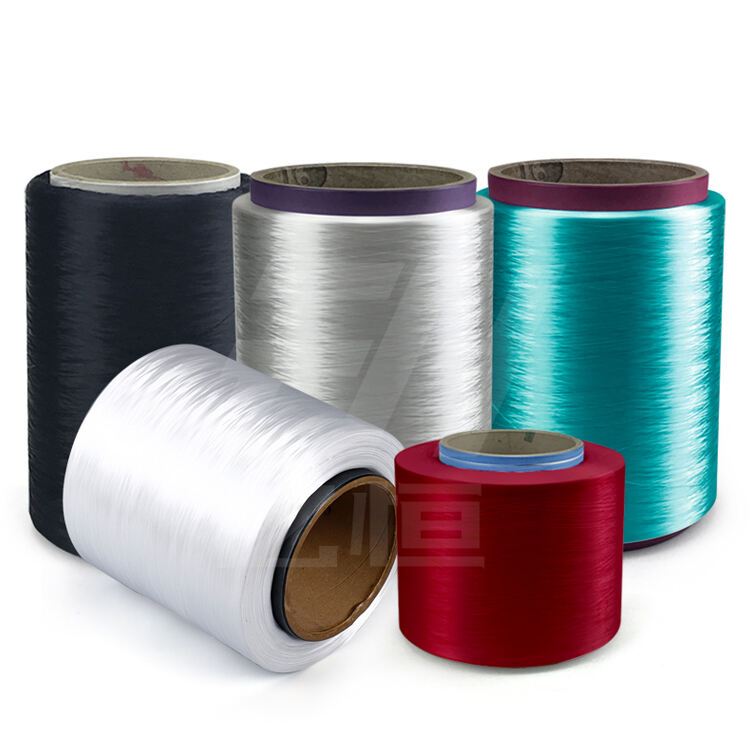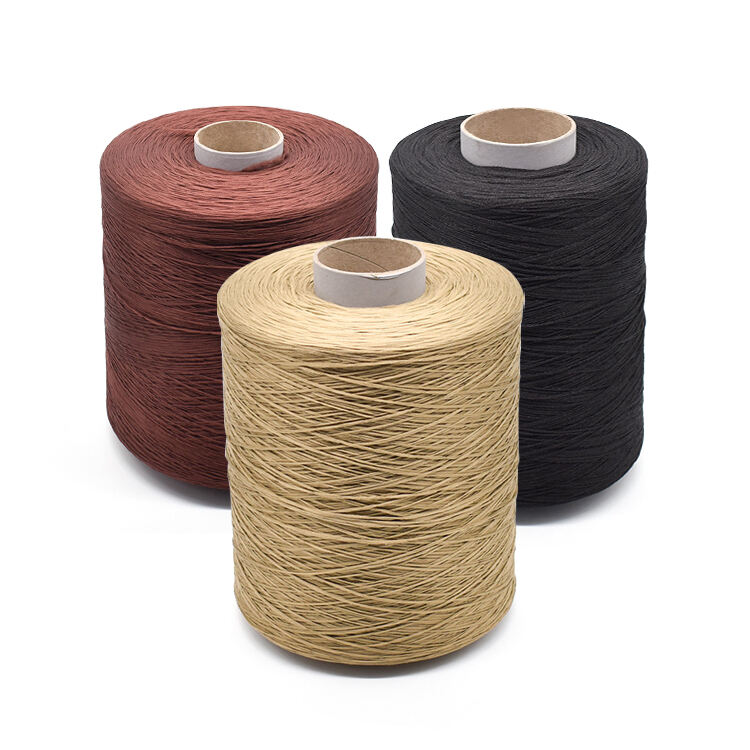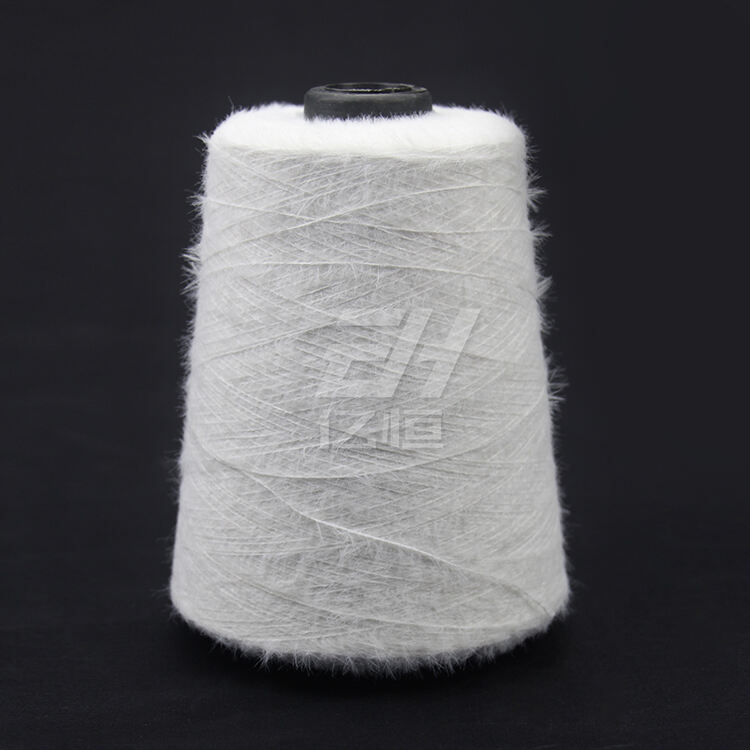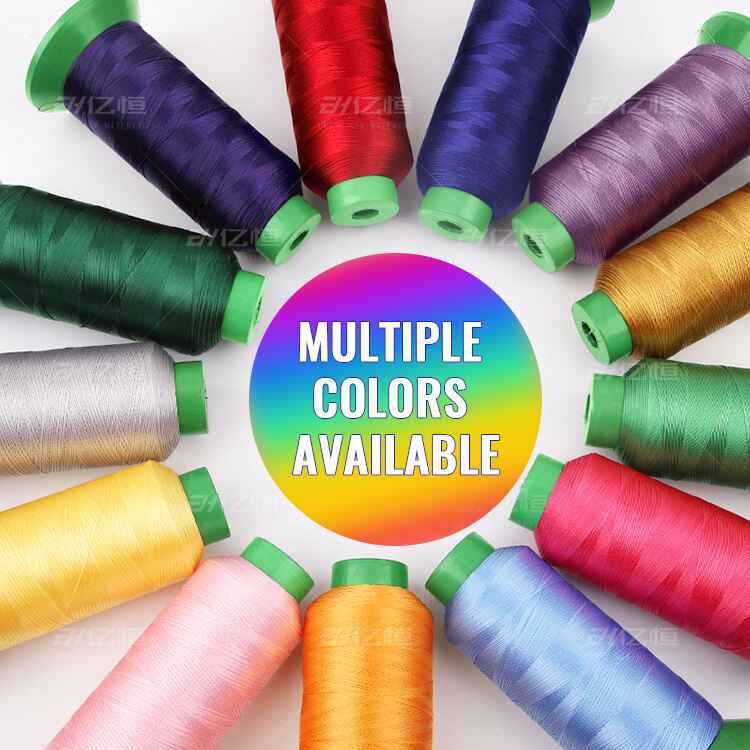
Not your regular PET, is a unique material that we specifically use in 3D printing. It's made of a kind of plastic called polymer. It is widely used due to its huge variety of bright colors and large variety of sizes. Selecting the right polyester filament for your project is extremely important when working with polyester filaments. Choosing the right one can determine how your final product will be. If you don’t use the correct filament, your project won’t end up like you’d expect it to.
These are all valid reasons to use polyester filament in your 3D printing projects. To start with, it is extremely light which renders it simple both to manage and to work with. For one thing, it is strong and durable, meaning that the items that you print will last a long time. Polyester filament is also very flexible so you can use it for everything from simple toys to more complex projects. Polyester filament is another awesome material because it is super beginner-friendly. It produces high quality prints that make everything look amazing. Adding to that, polyester filament is typically inexpensive, and save a few dollars here and there, you'll find it most everywhere. In addition, it is environmentally friendly, which is essential for the health of our planet.
There are a few things to consider when selecting the best type of polyester filament for your needs. You must first decide on the filament color and size. The optimum appearance of various projects may require different colors. Then filter on the quality of the filament. Good filament means better prints, so it's worth spending a bit of extra time to search around. Also consider the cost of the filament. Keeping this in mind, it is important to look for an inexpensive 3d printer filament that does not compromise on the quality. Last but not least, keep in mind its impact on the environment. Select a filament that is vet-friendly for conservation of our earth for the future generation
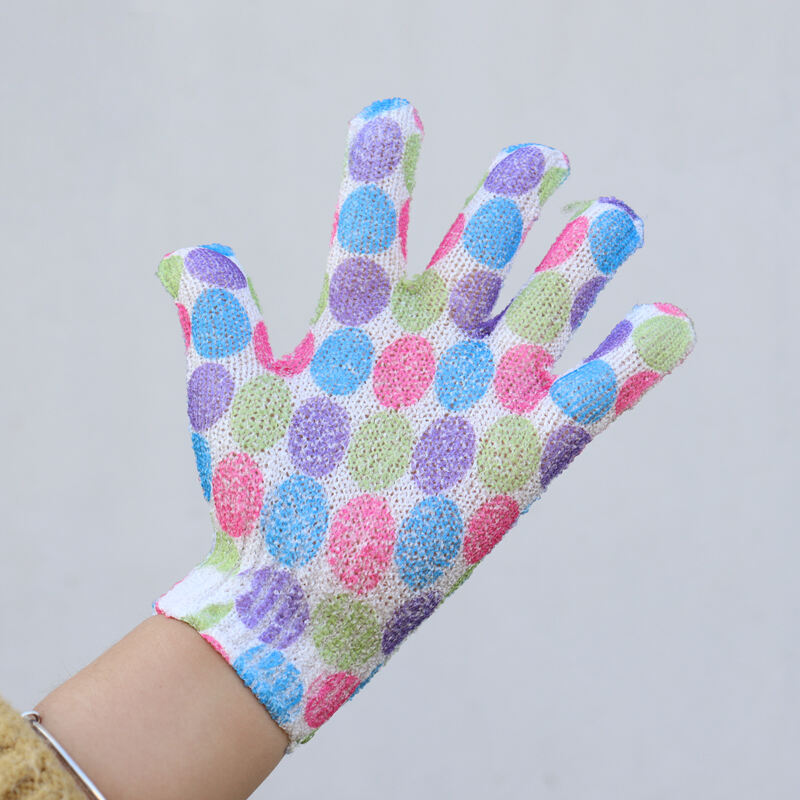
Polyester filament is only one out of hundreds of filament types you can use for 3D printing. Other filament types include PLA, ABS, Nylon. There are benefits and drawbacks to each type. PLA Biodegradable: PLA is a biodegradable type of filament, meaning it will break down over time. It is, however, not as solid or robust as polyester filament. Conversely, ABS is a filament that is way more durable than PLA, but at the same time, it can be harder to print with. There is also Nylon, which is strong and flexible. This filament is also one of the more expensive types of filaments available. To help you compare the benefits and disadvantages of any given filament when deciding what to use for your project, here are the various filament types and their respective features.
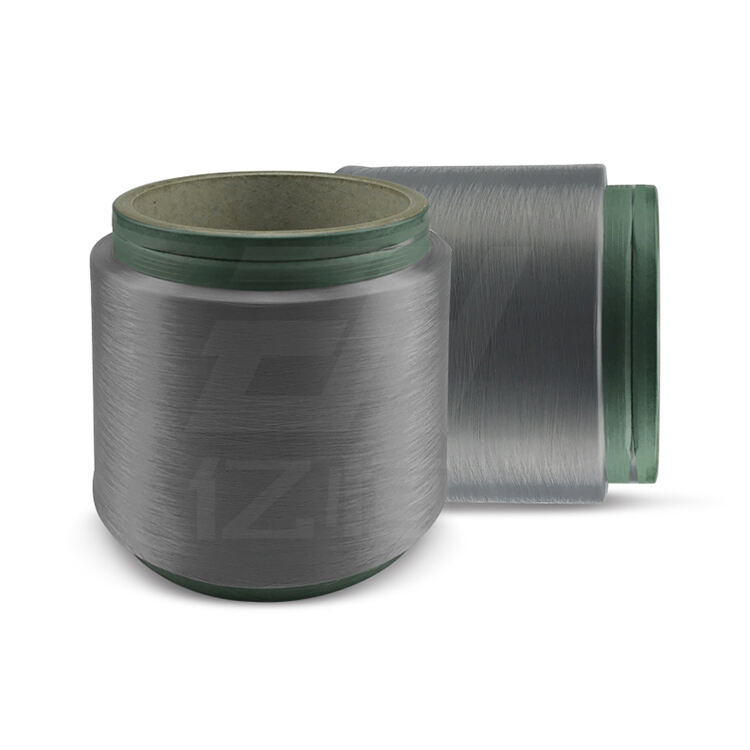
Using polyester filament might sometimes be a little tricky, but luckily there are a few tips that you could follow to make it easier for you. Should make sure your 3D printer is set up and calibrated correctly. This will ensure that you get best prints possible. Keeping your printer clean is also very important. Polyester filament tends to clog badly, and the cleaner your printer, the better it will work. Check that your printer is at the correct temperature. Polyester filament has a lower melting point than other filament types, meaning you should check your printer settings. Finally, also don’t be afraid to tinker with different settings on the printer. Experimenting with different configurations might give you the best results for your specific project.

Eheng is the best polyester filament supplier for all your 3D printing needs. We manufacture our filament using the very best materials out there, in a plethora of colors and sizes. We also take pride in the fact that we have some of the most competitive prices on the market to ensure it is available to everyone. We also have environment friendly options which aids our planet. Our polyester filament is easy to use and always makes great print, every single time. You make an excellent decision for your 3D printing projects when you select Eheng polyester filament.
We operate more than 100 production units with complete in-house dyeing and finishing, backed by a strict quality control system that ensures 100% inspection of every product before shipment, guaranteeing consistency and reliability.
Supported by an R&D team with over 15 years of experience, we offer extensive customization—from 600+ standard colors to 1–300 kg sample dyeing—ensuring tailored solutions for every client across fashion, textile, and industrial applications.
Our products—dyed with eco-friendly colorants and compliant with CPSIA, REACH, and international sustainability standards—are exported to over 20 countries, building long-term trust with partners in the US, Europe, Asia, and beyond.
Our high-tech facility specializes in 11 series of differentiated filament yarns—including monofilament, FDY, DTY, PBT, and functional yarns—widely used in apparel, home textiles, and sportswear, with all products certified to Oeko-Tex 100 and GRS standards.

Nantong EHENG produce Monofilament (PA, PES, PET, PP, PLA), Nylon yarn, Twisted yarn, Covered Yarn, Fancy yarn, Sewing thread, BCF yarn, Low melting yarn.
NO.9 Ximeng Road, Development Zone, Haian, China 226600
Copyright © Nantong Eheng New Material Technology Co., Ltd. All Rights Reserved - Privacy Policy
 EN
EN
 AR
AR
 BG
BG
 HR
HR
 CS
CS
 DA
DA
 NL
NL
 FI
FI
 FR
FR
 DE
DE
 EL
EL
 HI
HI
 IT
IT
 JA
JA
 KO
KO
 NO
NO
 PL
PL
 PT
PT
 RO
RO
 ES
ES
 SV
SV
 CA
CA
 TL
TL
 ID
ID
 LV
LV
 LT
LT
 SR
SR
 VI
VI
 SQ
SQ
 HU
HU
 MT
MT
 TH
TH
 TR
TR
 MS
MS
 GA
GA
 LO
LO
 LA
LA
 BN
BN
 SK
SK
 SL
SL