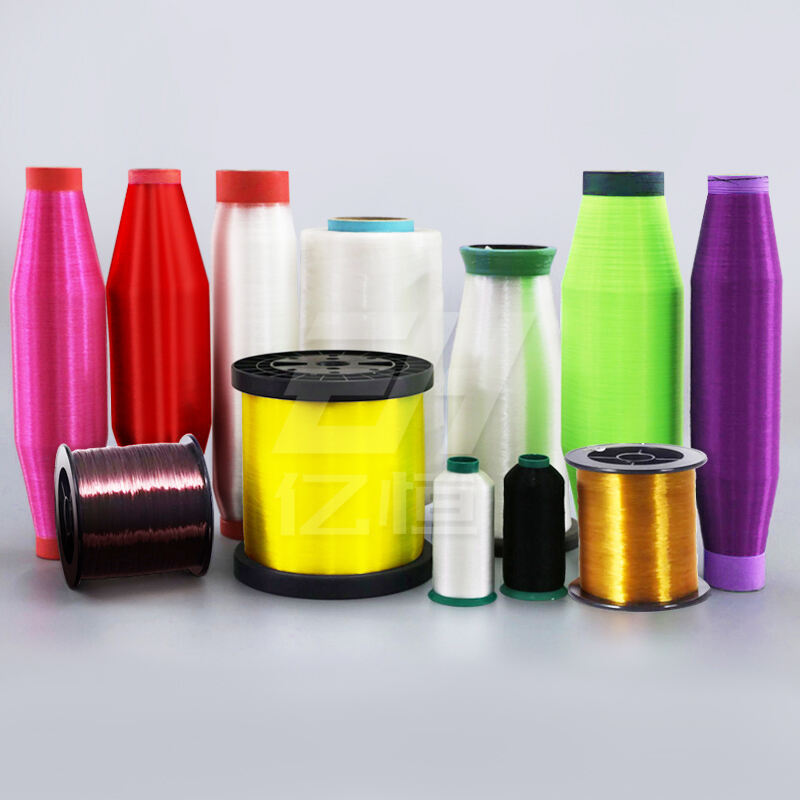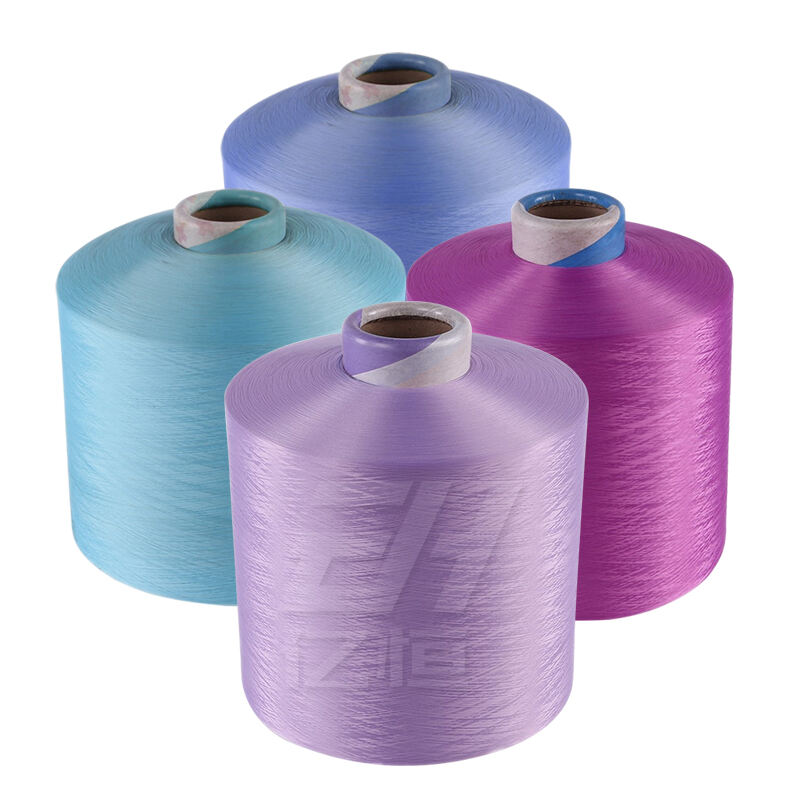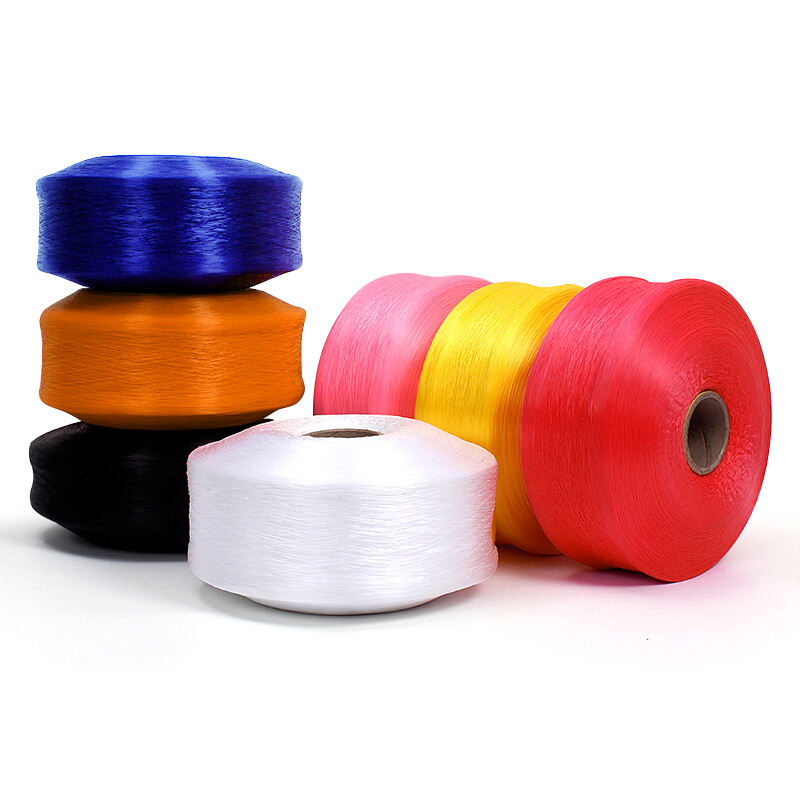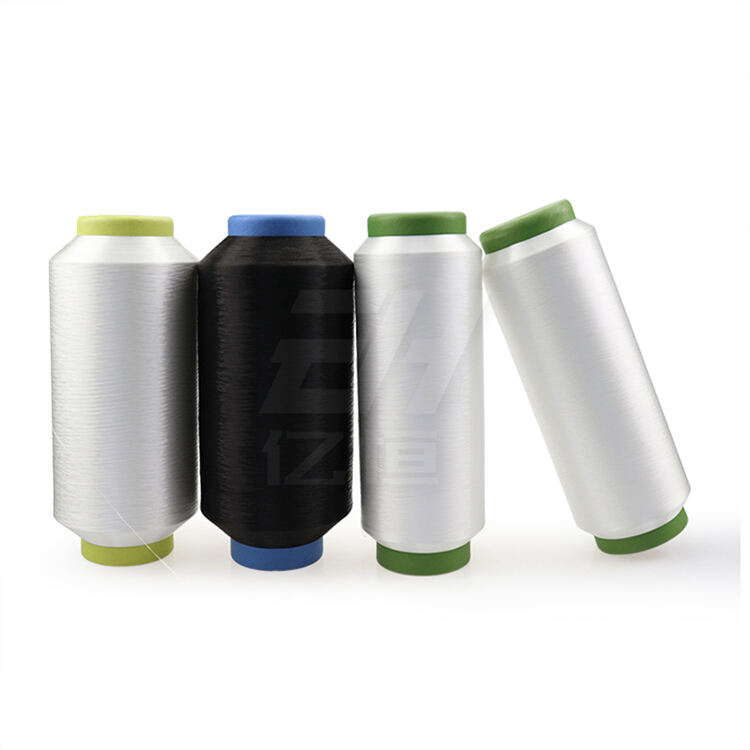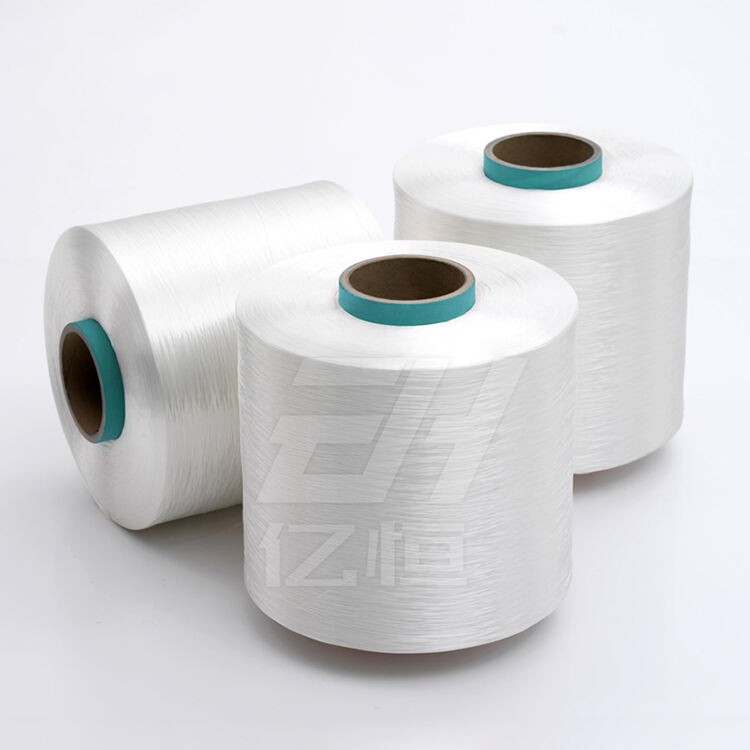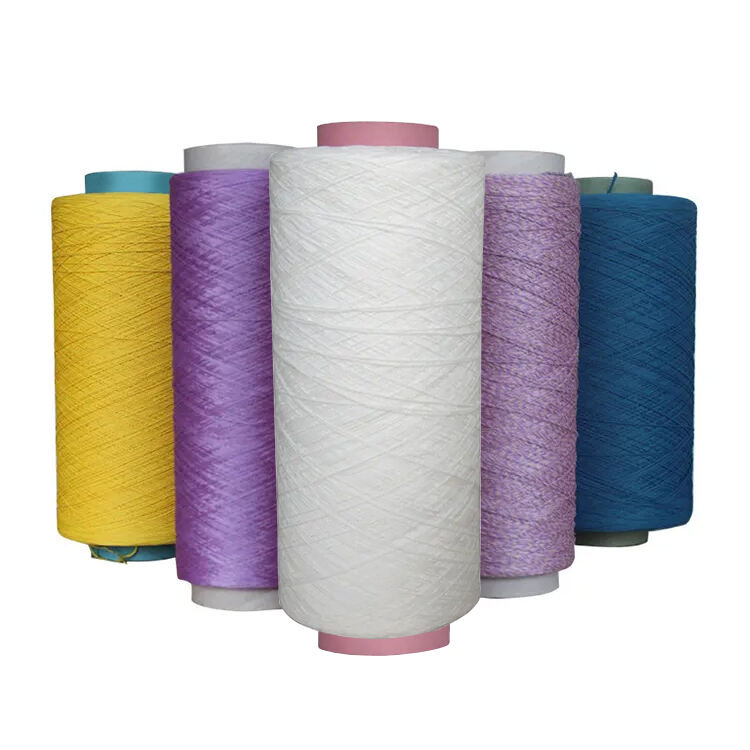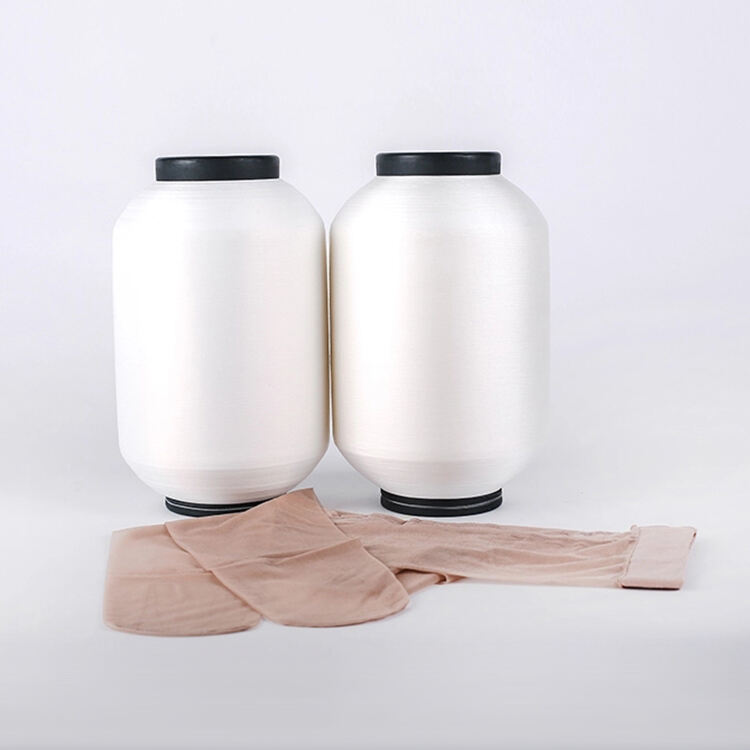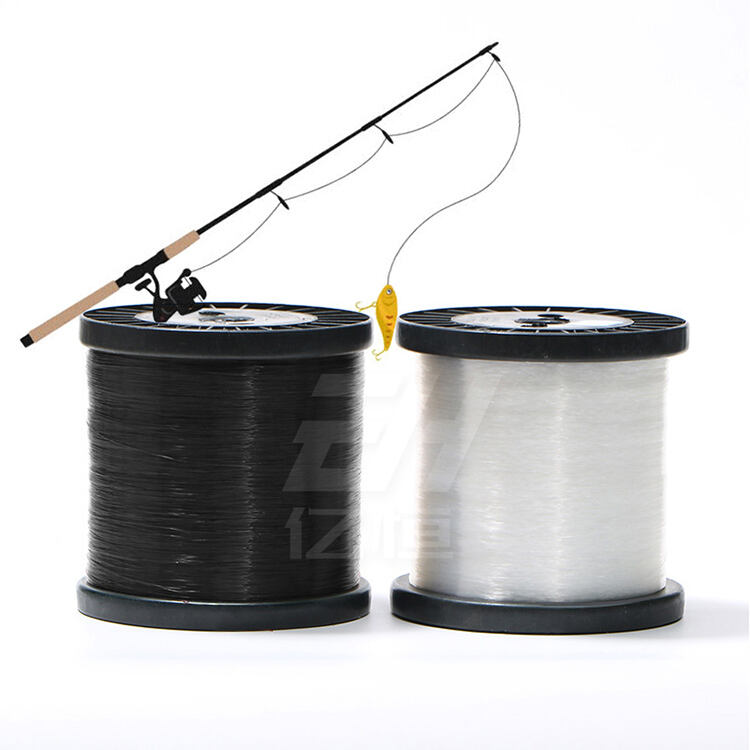
One the most useful kind of thread is the nylon monotread. It is composed of an extremely durable material called nylon. We make in a company called Eheng. Here, we are going to go through the nylon monofilament and find out several good things about them. We will also look at how we use it in our daily lives, in factories, and learn more about its make.
A lot of the characteristics of nylon monofilament, which sets it apart, are good. First, it is very strong. That means not easy to break, so it can weight a lot. For instance, if you use it in a fishing line, it will hook up big fishes without bursting. Finally, it is also incredibly adaptable. Which means it can bend and twist with ease without breaking. That ability to flex is a big deal, because it means the thread can be used in more ways without getting damaged. Lastly, nylon monofilament is highly abrasion-resistant. It can rub against other surfaces without being scratched, and so can be safely used with other synthetics. This property also makes it more durable and makes it ideal for various applications.
Fishing line The most common application of nylon monofilament. It is used by fishermen to make lines that are very strong and capable of carrying big fish. These nylon monofilament fishing lines are strong and easy to throw into the water and pull back in when you catch the fish. Fishing is a great way to get the right fish with some nylon monofilament lines! You will get a better opportunity that may help you catch a big fish and thus increasing your enjoyment of fishing.
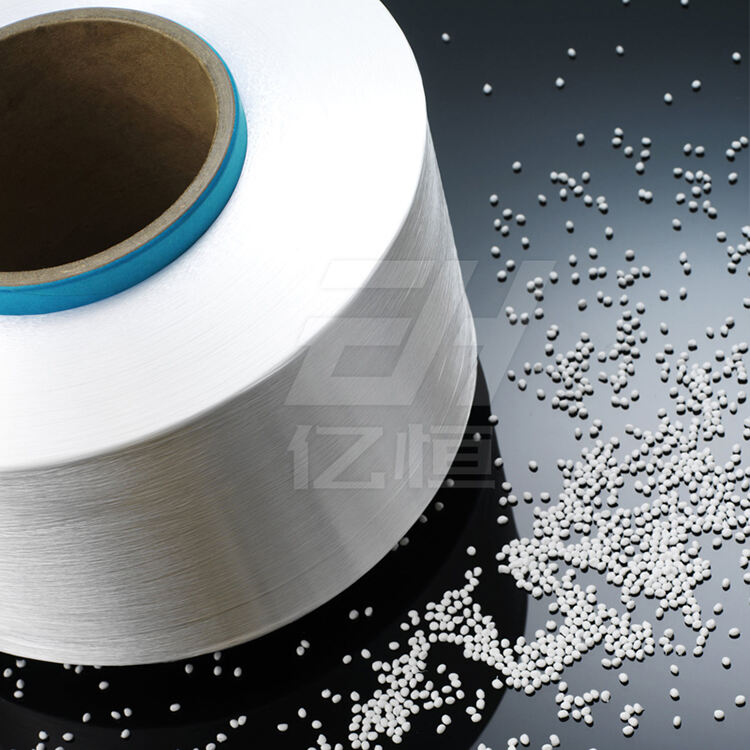
Next step — how nylon monofilament is constructed. It begins with small nylon pellets. Those pellets are then heated to the point of melting. The melted substance is then forced through a series of tiny holes, called spinnerets, to create liquid nylon. This unique process is called extrusion. When the nylon passes through the spinnerets, it stretches out and becomes a thin thread. The size of the holes in the spinnerets can change, so the thickness of the thread can change. After threading the thread, it is wound onto a spool (a round object that holds the thread). This spool may then be used to manufacture fishing lines or a variety of other products.
Nylon monofilament can be found in many objects of our daily use. Toothbrushes, for instance, have bristles made from nylon monofilament. Yes by doing that it allows the toothbrush to clean our teeth. Nylon monofilament also goes into the making of hairbrushes, where multiple thin strands work in unison to smoothly untangle hair. Brushing our hair can be much easier and more comfortable. Others, for instance, surgical sutures, or medical stitches, made from nylon monofilament, are also strong and safe to put in the body. This is relevant for physicians when they have to close up wounds and facilitate healing in others.
However, nylon monofilament is also very useful in factories apart from its usage in our daily lives. It is used, for example, to produce what is called for a process known as screen printing. Screen printing is the practice of printing designs on t-shirts, bags, and other products. It’s printed through a mesh screen that only allows the ink to pass through where necessary. These screens are made with nylon monofilament because it is strong and durable, providing a long life even under heavy use.
Filters also use nylon monofilament. Air filters and oil filters are examples of applications that commonly use nylon mono-filament because it is an excellent particle trapping medium. This allows it the ability to clean air and oil without becoming clogged up. Thirdly, nylon monofilament is used to helicopter lined conveyor belts, which are used to carry material from one place to another in factories. Because these belts keep products moving along the production line, they are crucial to manufacturing. These belts are made from nylon monofilament since it is durable and can stand up to significant wear and tear.
Supported by an R&D team with over 15 years of experience, we offer extensive customization—from 600+ standard colors to 1–300 kg sample dyeing—ensuring tailored solutions for every client across fashion, textile, and industrial applications.
Our high-tech facility specializes in 11 series of differentiated filament yarns—including monofilament, FDY, DTY, PBT, and functional yarns—widely used in apparel, home textiles, and sportswear, with all products certified to Oeko-Tex 100 and GRS standards.
Our products—dyed with eco-friendly colorants and compliant with CPSIA, REACH, and international sustainability standards—are exported to over 20 countries, building long-term trust with partners in the US, Europe, Asia, and beyond.
We operate more than 100 production units with complete in-house dyeing and finishing, backed by a strict quality control system that ensures 100% inspection of every product before shipment, guaranteeing consistency and reliability.
Nantong EHENG produce Monofilament (PA, PES, PET, PP, PLA), Nylon yarn, Twisted yarn, Covered Yarn, Fancy yarn, Sewing thread, BCF yarn, Low melting yarn.
NO.9 Ximeng Road, Development Zone, Haian, China 226600
Copyright © Nantong Eheng New Material Technology Co., Ltd. All Rights Reserved - Privacy Policy
 EN
EN
 AR
AR
 BG
BG
 HR
HR
 CS
CS
 DA
DA
 NL
NL
 FI
FI
 FR
FR
 DE
DE
 EL
EL
 HI
HI
 IT
IT
 JA
JA
 KO
KO
 NO
NO
 PL
PL
 PT
PT
 RO
RO
 ES
ES
 SV
SV
 CA
CA
 TL
TL
 ID
ID
 LV
LV
 LT
LT
 SR
SR
 VI
VI
 SQ
SQ
 HU
HU
 MT
MT
 TH
TH
 TR
TR
 MS
MS
 GA
GA
 LO
LO
 LA
LA
 BN
BN
 SK
SK
 SL
SL