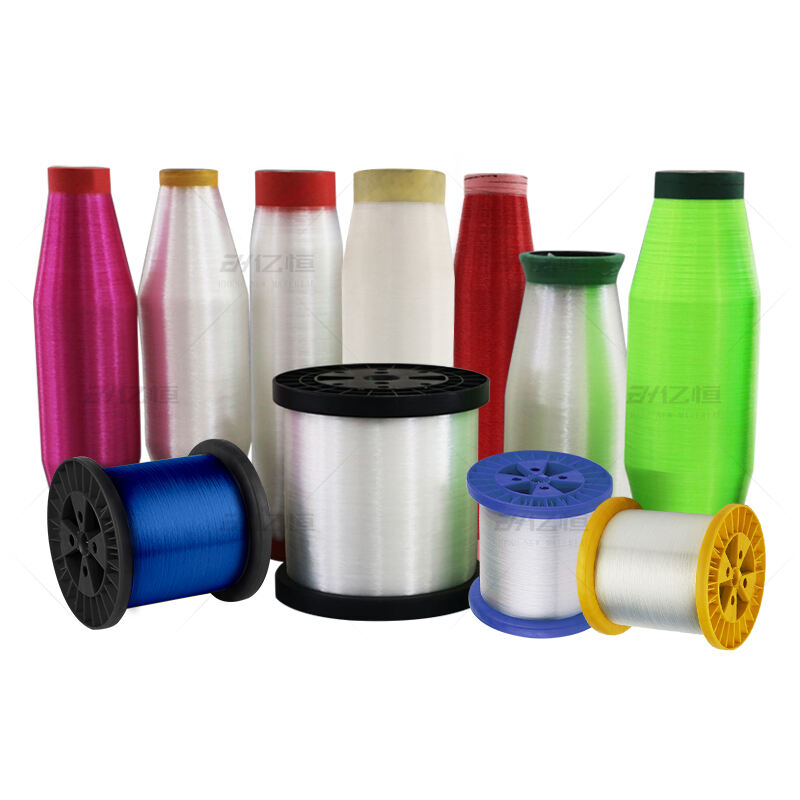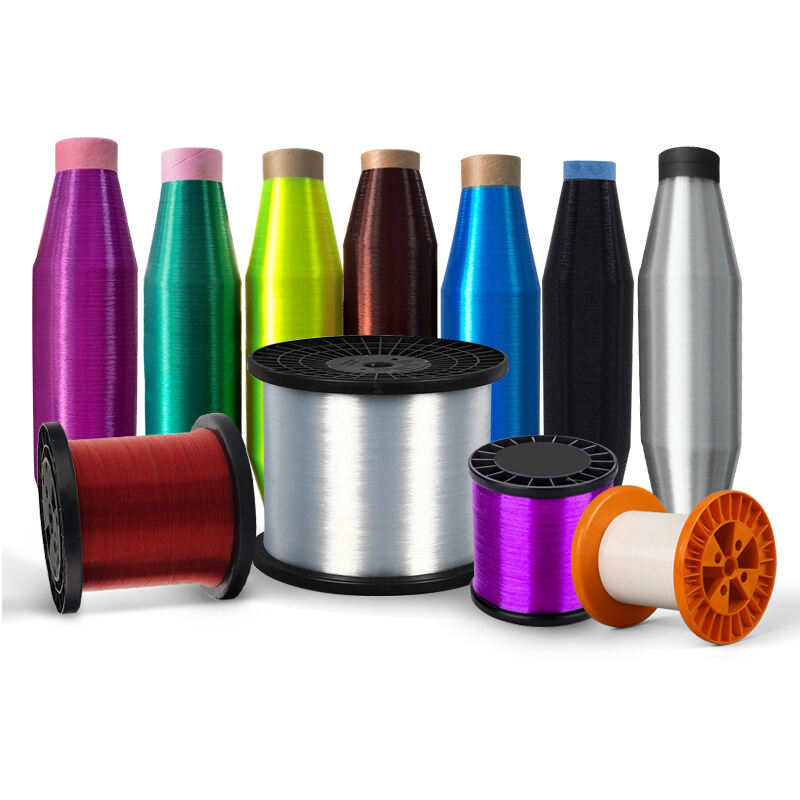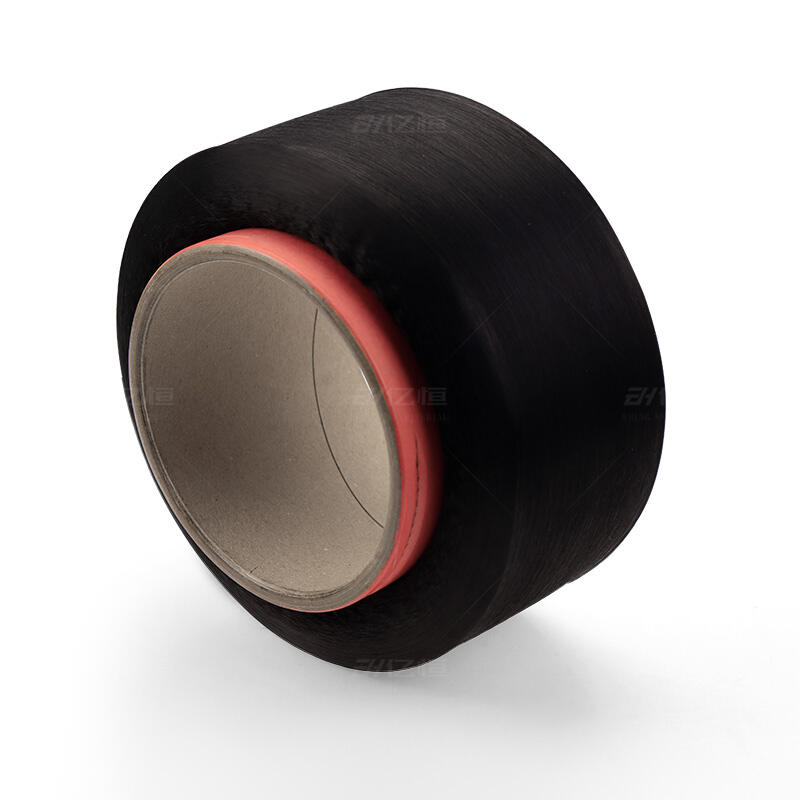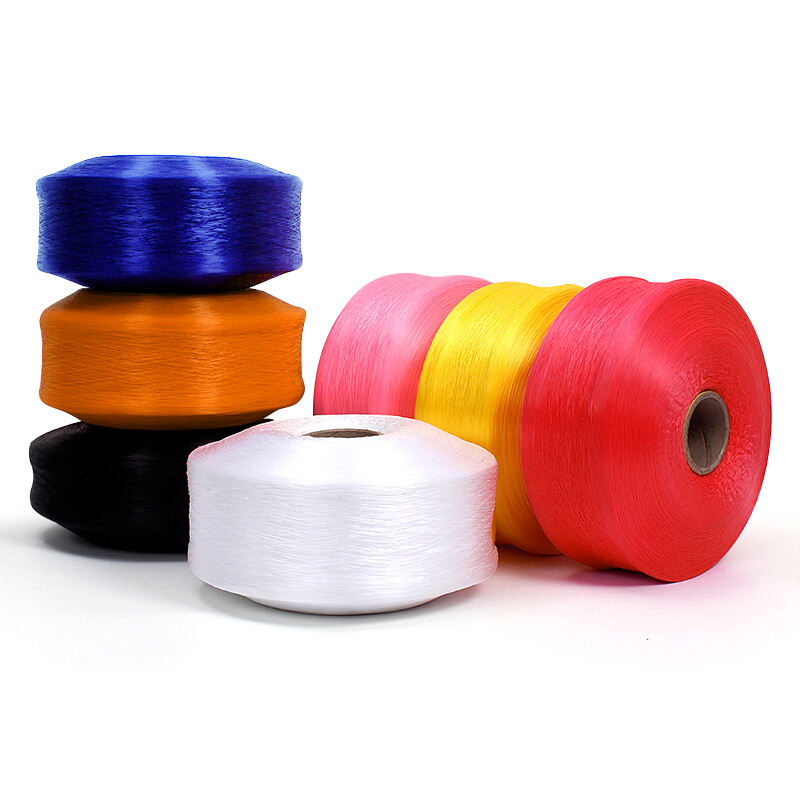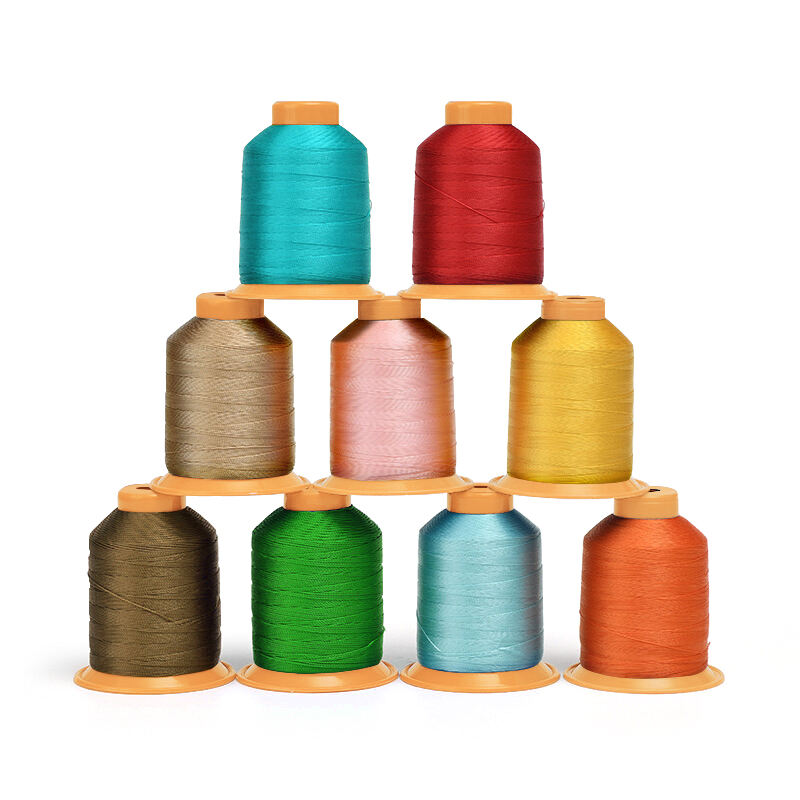
Have you been introduced to ? It may sound fancy, but it is really a lacy type of thread that you can use for a variety of sewing crafts. However, this thread is different because it is made in such a way that it is very handy for many different sewing purposes.
Nylon bonded sewing thread benefitsNylon bonded sewing thread benefits Firstly because it is extremely potent and is long lasting. This means it houlds on under heavy stress and pressure. Now, imagine trying to drag something heavy, like a weighted rucksack or a sports bag. Regular threaded may break, while a nylon bonded thread will hold together quite well. So people tend to use it for things that get a lot of use, like furniture, outdoor items and sports equipment.
Water and mold resistance is another good thing about nylon bonded sewing thread. This is due to the fact that nylon fibers are not very water absorbent. Also, the unique process they use to boil it assists them in keeping it dry and away from mold. That makes it an excellent choice for sewing items that frequently become wet, such as swimsuits, rain jackets and boat covers. When you’re going to be outside in the rain, or around water, you want to make sure your items stay dry, and nylon bonded thread helps with that.
For instance, if you make something like a backpack or a sports bag, then you absolutely want to use nylon bonded thread. It can take on heavy loads and the wear and tear from use all the time. You do not want your bag tearing when you carry books or sports equipment! The same goes if you are creating a tent or a sleeping bag, as nylon bonded thread will also be able to withstand being pulled and stretched. Tents must be robust because they must brave wind and rain, and this thread helps ensure they stay whole.
For instance, you can use it to stitch a sturdy hem on trousers or skirts, ensuring the edges don’t unravel and that it has a finished look. Another thing, you can attach your button on shirts when it comes to clothes, which is to keep your clothes together. Nylon bonded thread will be strong enough to hold the heavy fabric and tight stitches together, if you are making a quilt or comforter. That way your quilt doesn’t fall apart after a few uses.
First, consider the weight of your fabric. You need a lighter bonded nylon thread if you are working with lighter silk or cotton fabrics. This embroidery thread is thinner than regular thread, which helps your sewing blends nicely with the fabric and look well. The heavier nylon bonded or Teflon thread should be used if your fabric is heavy, e.g. canvas or leather. This will make sure the thread is strong enough to withstand the pressure and weight of the fabric without snapping.

Second, think about the color of your fabric and thread. You want the color of the thread to match, or at least look good, with the color of the fabric. This is how it would be merged well and look convenient as well and also making your project looks more professional. I love when my sewing looks professional and polished.
Supported by an R&D team with over 15 years of experience, we offer extensive customization—from 600+ standard colors to 1–300 kg sample dyeing—ensuring tailored solutions for every client across fashion, textile, and industrial applications.
We operate more than 100 production units with complete in-house dyeing and finishing, backed by a strict quality control system that ensures 100% inspection of every product before shipment, guaranteeing consistency and reliability.
Our products—dyed with eco-friendly colorants and compliant with CPSIA, REACH, and international sustainability standards—are exported to over 20 countries, building long-term trust with partners in the US, Europe, Asia, and beyond.
Our high-tech facility specializes in 11 series of differentiated filament yarns—including monofilament, FDY, DTY, PBT, and functional yarns—widely used in apparel, home textiles, and sportswear, with all products certified to Oeko-Tex 100 and GRS standards.
Nantong EHENG produce Monofilament (PA, PES, PET, PP, PLA), Nylon yarn, Twisted yarn, Covered Yarn, Fancy yarn, Sewing thread, BCF yarn, Low melting yarn.
NO.9 Ximeng Road, Development Zone, Haian, China 226600
Copyright © Nantong Eheng New Material Technology Co., Ltd. All Rights Reserved - Privacy Policy
 EN
EN
 AR
AR
 BG
BG
 HR
HR
 CS
CS
 DA
DA
 NL
NL
 FI
FI
 FR
FR
 DE
DE
 EL
EL
 HI
HI
 IT
IT
 JA
JA
 KO
KO
 NO
NO
 PL
PL
 PT
PT
 RO
RO
 ES
ES
 SV
SV
 CA
CA
 TL
TL
 ID
ID
 LV
LV
 LT
LT
 SR
SR
 VI
VI
 SQ
SQ
 HU
HU
 MT
MT
 TH
TH
 TR
TR
 MS
MS
 GA
GA
 LO
LO
 LA
LA
 BN
BN
 SK
SK
 SL
SL