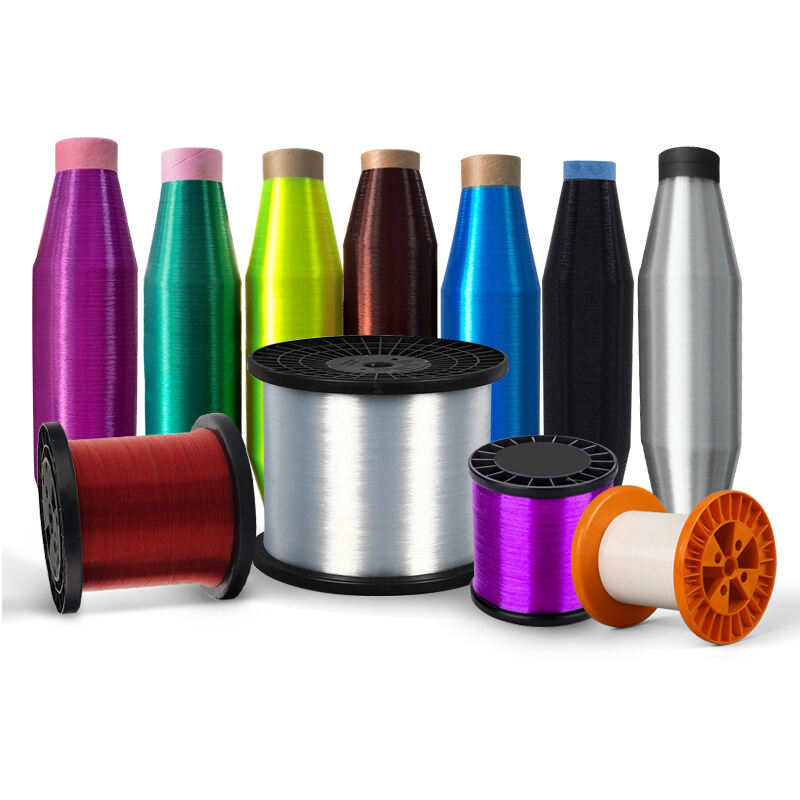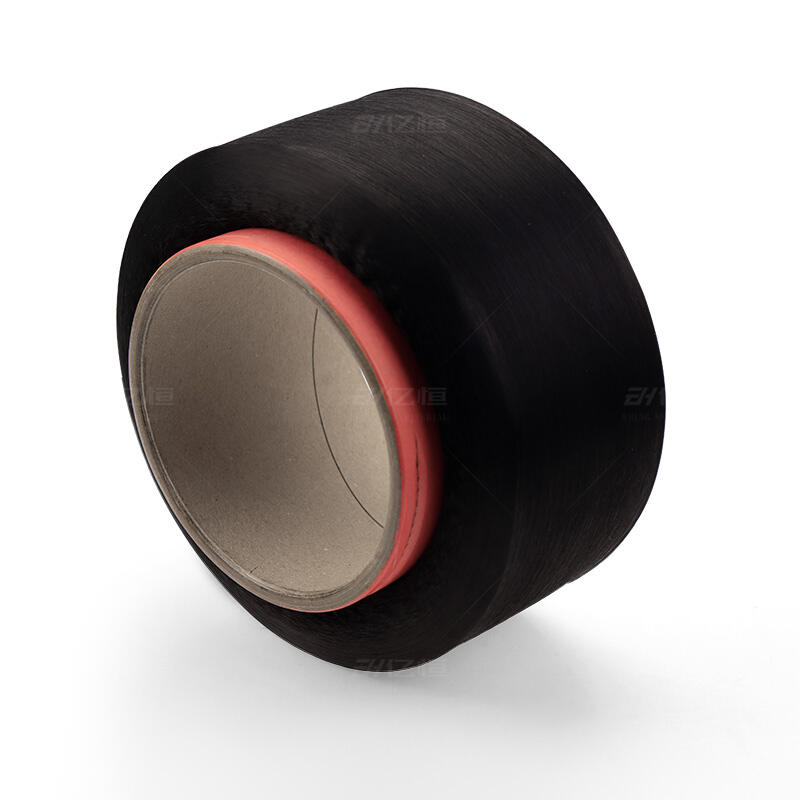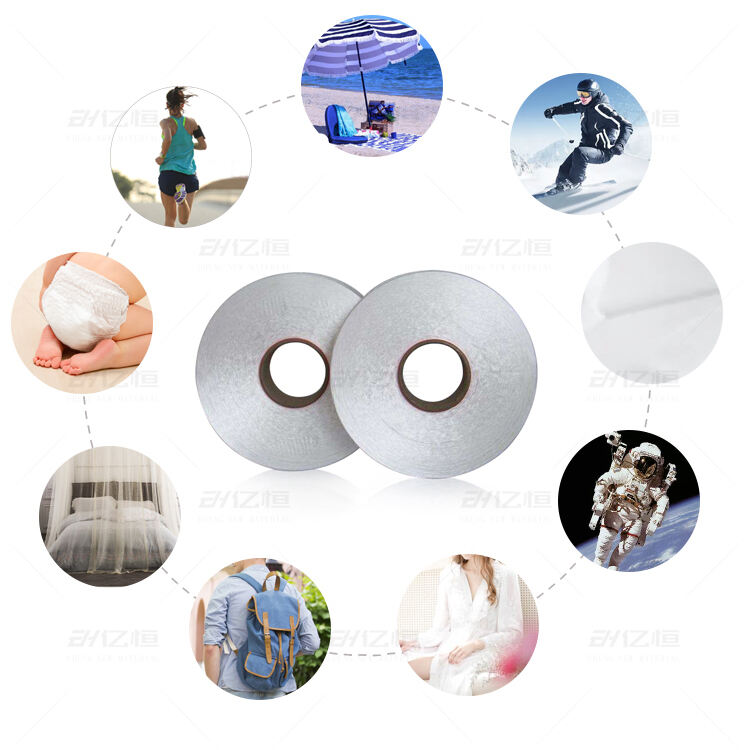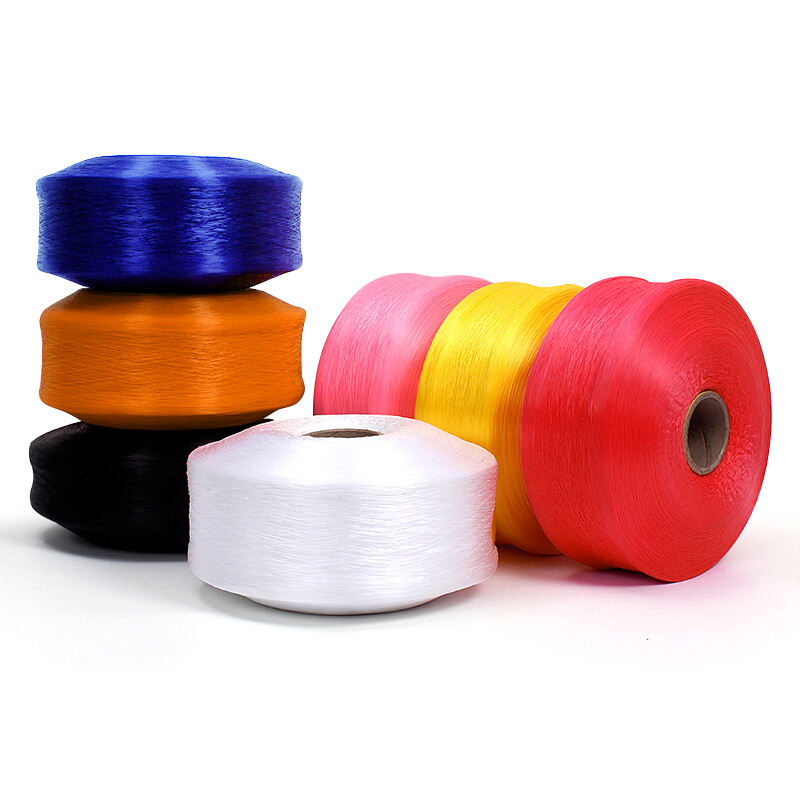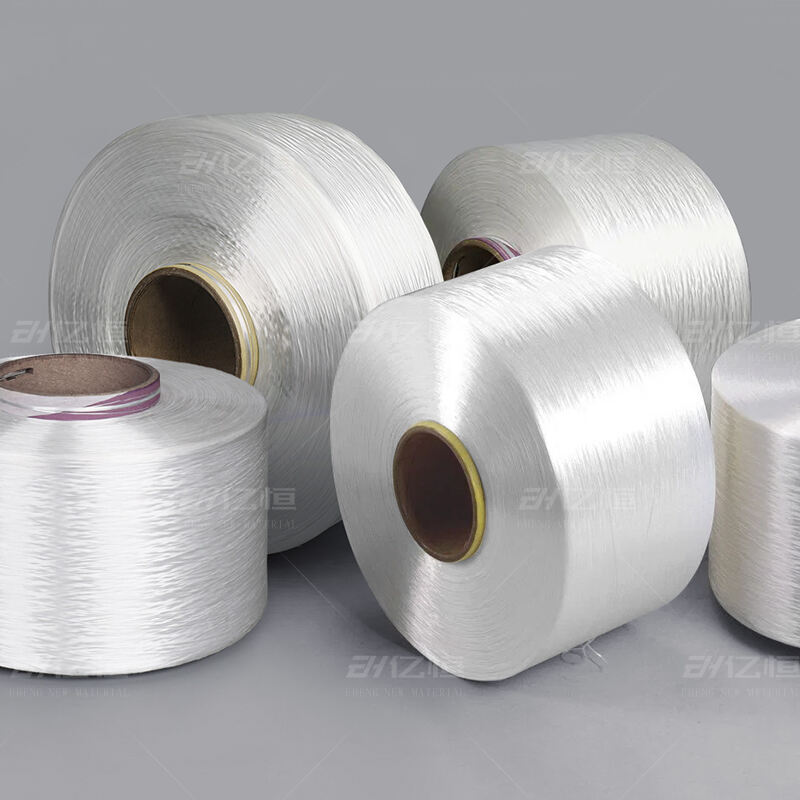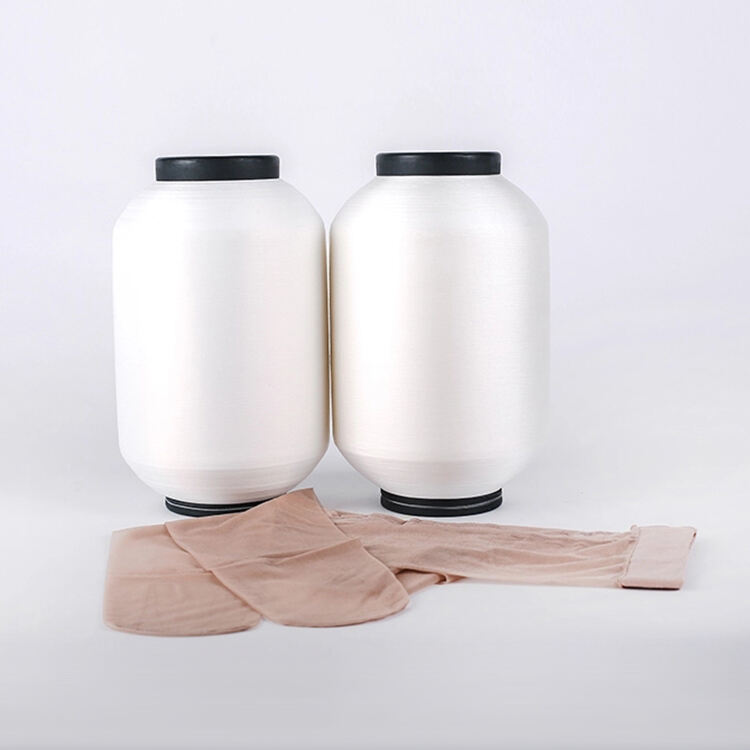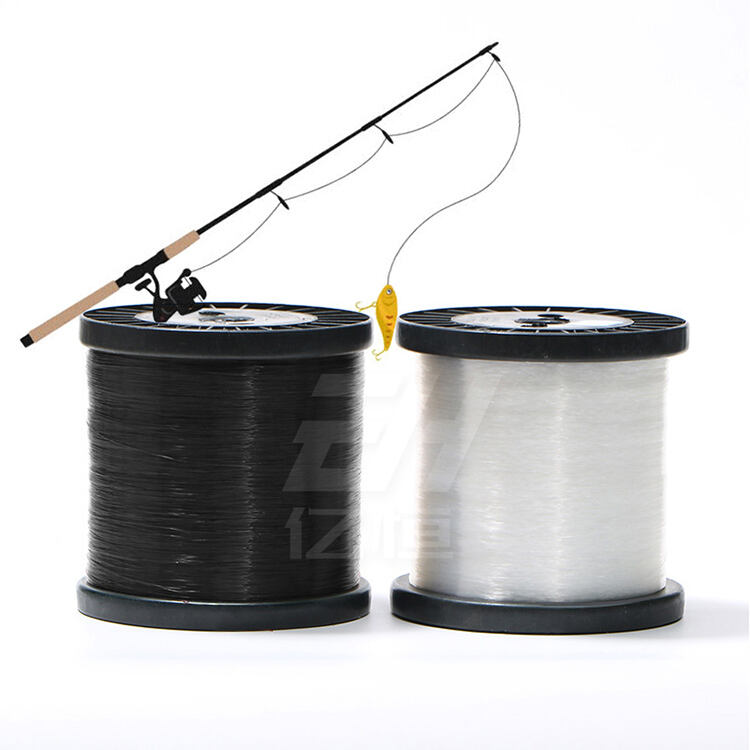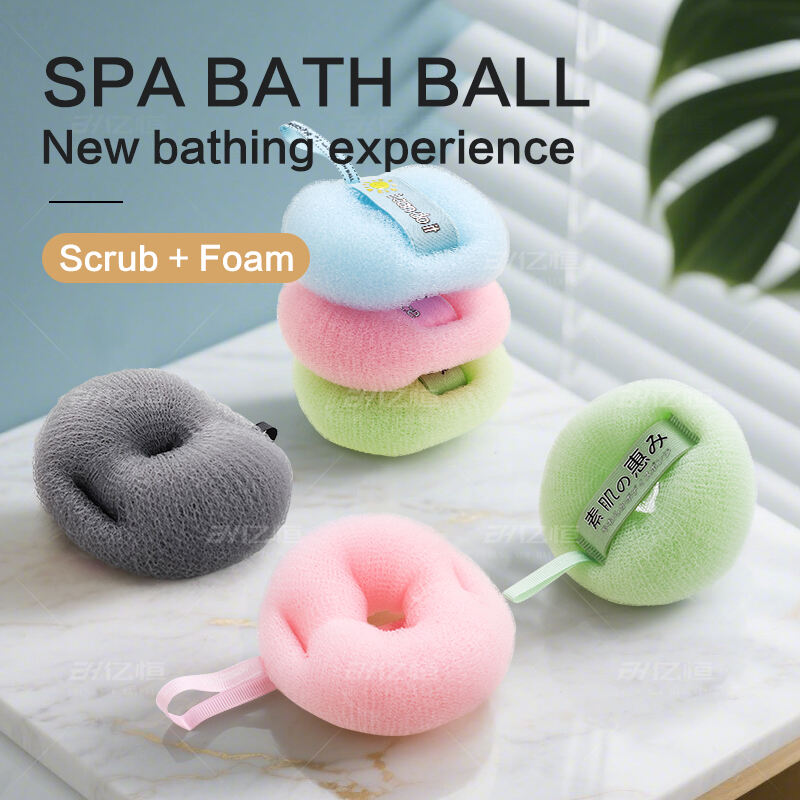
You have probably experienced how great is, if you have had the opportunity to wear a soft fleece jacket or stretchy leggings! Polyester is one of the most used man-made fibers. It is frequently utilized in various articles such as clothing, bedding and other textile products we daily use. What makes it different is that it consists of many small threads woven together. It is this construction process that makes it inimitably strong and durable, and hence the popularity.
The main reason multifilament polyester is so good is because it is a really strong material. When you stop and think of it, strong garments and items are essential. Unlike less sturdy materials, multifilament polyester is far less likely to tear or rip due to many thin threads interwoven together. That makes it good for tough uses like car seat covers that are supposed to last over time or outdoor gear like tents and backpacks that may encounter the elements.
Because of this benefit, multifilament polyester is also used to produce a wide variety of products. That means everything from clothing and bedding to rugged stuff like rope and tarps that can help you do a lot of things. Since polyester is man made, it can be manufactured in a variety of colors and textures. This variety is ideal for designers looking to create interesting and awesome products that will attract attention.
For conveyor belts — multifilament polyester is a good example in factories. These belts are critical because they transport items and merchandise through factories and warehouses. Polyester works well for these belts because it is quite strong and does not wear out easily, so it can continue functioning for a long time before needing to be replaced. Also, it can be produced in a variety of thicknesses and texturalities, allowing it to be tailored for a range of applications and needs.
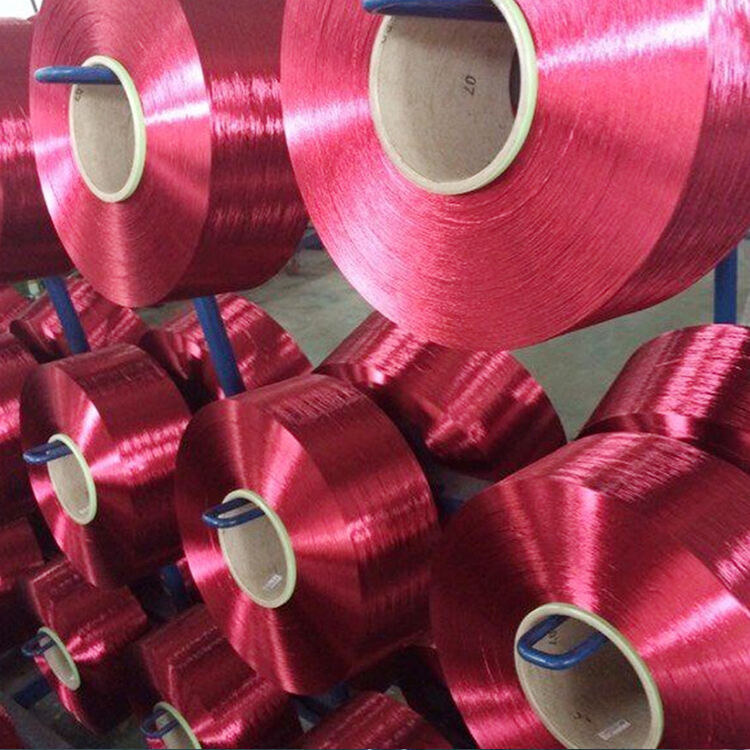
Multifilament polyester is tough stuff — it's hard to do better when it comes to strength and durability. It is considerably stronger overall than standard fibers like cotton or wool, which makes it ideal for heavy-duty applications such as outdoor gear or car seats. Its strength also enables thinner, lighter products to be made. As a result, products can be designed to be more efficient, taking up less space and using less resources in the manufacturing process.
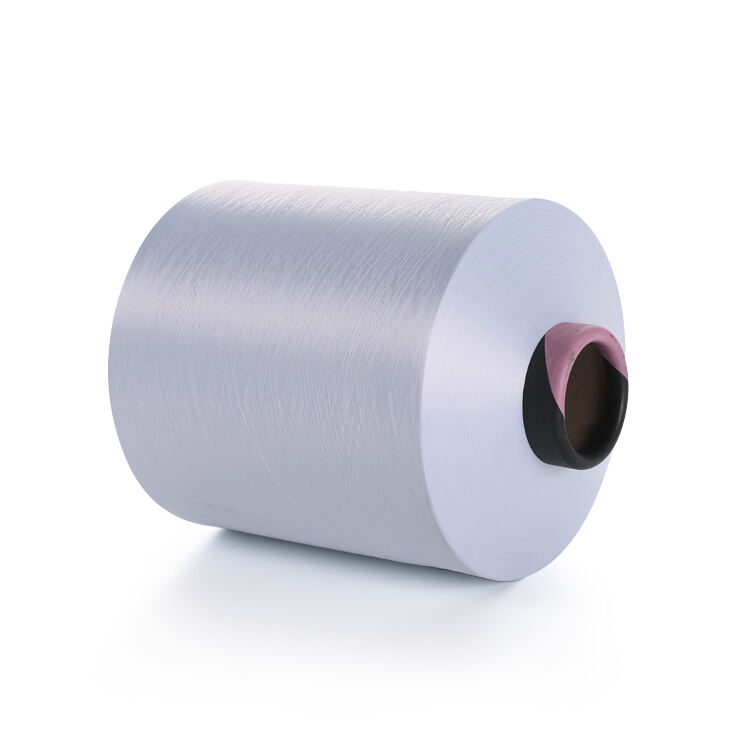
Many modern backpacks and tents, for example, are made from breathable but strong blends of polyester. This combo has allowed them to make footwear that suits hikers and outdoor enthusiasts who require footwear that is durable, yet, at the same time, comfortable enough to wear. Expect many automakers adopt polyester blends in seat covers and other interior material since they are more efficient and less expensive than traditional materials.

Polyester can also be manufactured from a recycled source like plastic bottles. This means that instead of disposing of plastic, it can be transformed into something new and useful. This process reduces landfill and ocean waste, which is critical to sustainable environmental practices. The great news for everyone is because polyester is so durable and multi-functional, products made from recycled polyester can be almost as good as those manufactured from raw materials.
We operate more than 100 production units with complete in-house dyeing and finishing, backed by a strict quality control system that ensures 100% inspection of every product before shipment, guaranteeing consistency and reliability.
Supported by an R&D team with over 15 years of experience, we offer extensive customization—from 600+ standard colors to 1–300 kg sample dyeing—ensuring tailored solutions for every client across fashion, textile, and industrial applications.
Our high-tech facility specializes in 11 series of differentiated filament yarns—including monofilament, FDY, DTY, PBT, and functional yarns—widely used in apparel, home textiles, and sportswear, with all products certified to Oeko-Tex 100 and GRS standards.
Our products—dyed with eco-friendly colorants and compliant with CPSIA, REACH, and international sustainability standards—are exported to over 20 countries, building long-term trust with partners in the US, Europe, Asia, and beyond.
Nantong EHENG produce Monofilament (PA, PES, PET, PP, PLA), Nylon yarn, Twisted yarn, Covered Yarn, Fancy yarn, Sewing thread, BCF yarn, Low melting yarn.
NO.9 Ximeng Road, Development Zone, Haian, China 226600
Copyright © Nantong Eheng New Material Technology Co., Ltd. All Rights Reserved - Privacy Policy
 EN
EN
 AR
AR
 BG
BG
 HR
HR
 CS
CS
 DA
DA
 NL
NL
 FI
FI
 FR
FR
 DE
DE
 EL
EL
 HI
HI
 IT
IT
 JA
JA
 KO
KO
 NO
NO
 PL
PL
 PT
PT
 RO
RO
 ES
ES
 SV
SV
 CA
CA
 TL
TL
 ID
ID
 LV
LV
 LT
LT
 SR
SR
 VI
VI
 SQ
SQ
 HU
HU
 MT
MT
 TH
TH
 TR
TR
 MS
MS
 GA
GA
 LO
LO
 LA
LA
 BN
BN
 SK
SK
 SL
SL