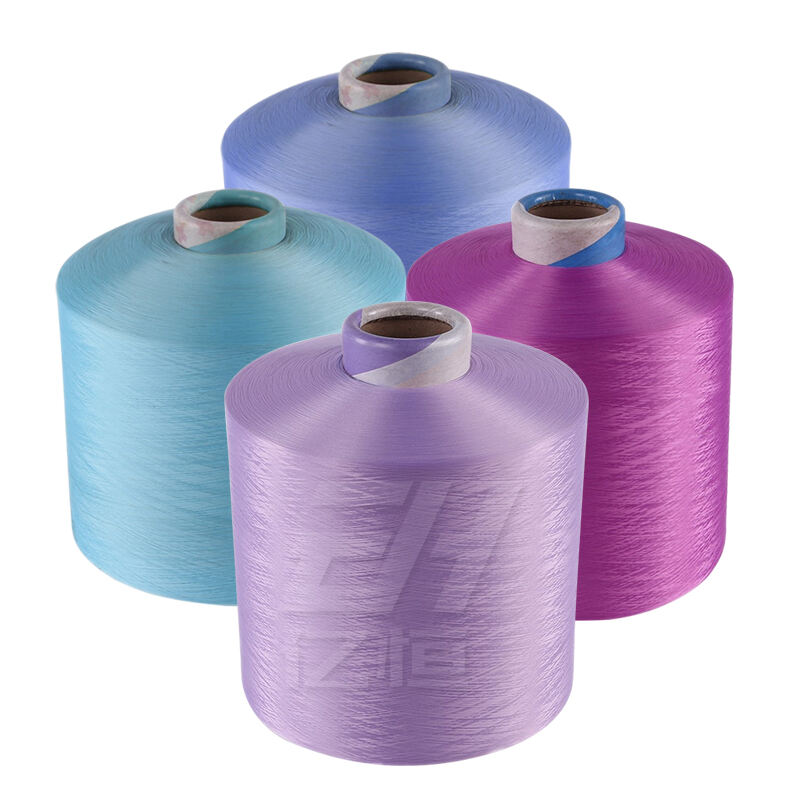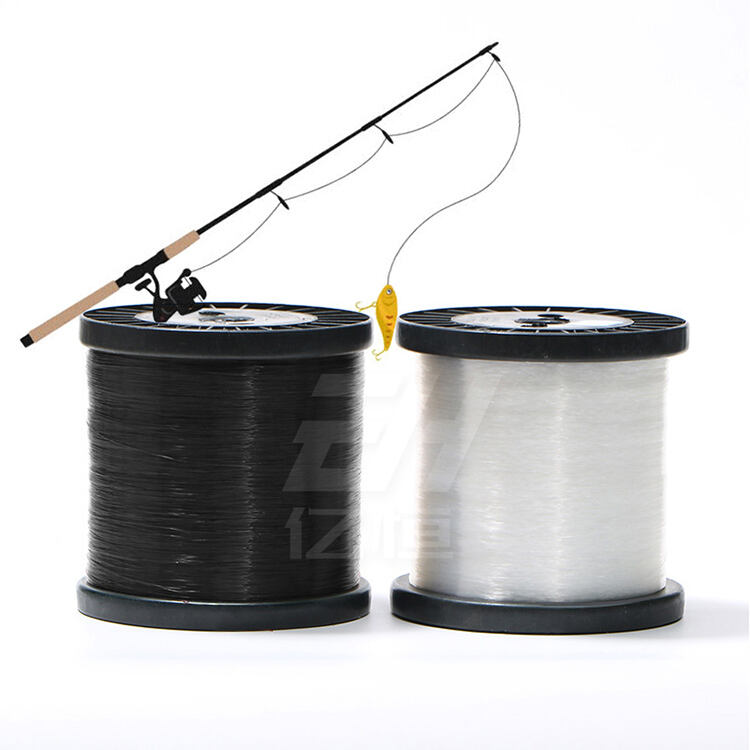
Eheng cemented its position as a king in the fishing world! This is a strong, long-lasting, and easy-to-use fishing line. This article will discuss several things you need to know about . We will learn all the benefits of fishing line, see why fisherman like it more than other types of fishing lines, learn how to choose the best for you, identify the science behind its strength, and also see some pros and cons of its usage.
Monofilament fishing line Monofilament is made from a single piece of material — typically nylon or some sort of plastic. Low-Stretch Fishing Lines: There are certain types of fishing line that have many great qualities, which makes it popular among fishermen. One of its big advantages is that it's incredibly strong for its size. That means a filigree line can hold up against big fish. Another major feature is that it hard to see when in water. Using this low visibility makes it difficult for the fish to notice the line, which makes it easier to catch them. Also, monofilament fishing line can stretch, which is really a good thing. It is this stretch that makes it ideal for targeting a wide variety of fish, from small pan fish to larger game fish.
There are a number of reasons fishermen like to use monofilament fishing line. One reason is that it is inexpensive, so it has a cheap price to purchase. This is very good for anglers looking to cut down on costs. Another reason is its simple user interface, even for starters. That makes it ideal for beginners learning how to fish. Monofilament fishing line also comes in a variety of colors and strengths. This diversity gives the anglers the flexibility to select the line that best works for their unique needs and species of fish they are targeting. Another thing to note is that this fishing line is very forgiving. The line also stretches, allowing it to absorb the shock when a fish pulls. This is beneficial; otherwise, the line will easily break, and that is crucial in landing the fish.
There are a few key considerations to make when selecting a monofilament fishing line. First, its diameter—that is, how thick the line is. Your line diameter should match the size of your reel spool, the part of your fishing rod that holds the line. Then consider the strength of the line. The right action and strength for the type of fish you are fishing. If you are targeting larger fish, your line will need to be stronger. Lastly, consider the line color. The color must resemble the characteristics of the water in which you are fishing. So, a clear line is the best choice for clear water as fish can’t see it. In weedy or muddy water, fish may be hiding, so green lines are better.
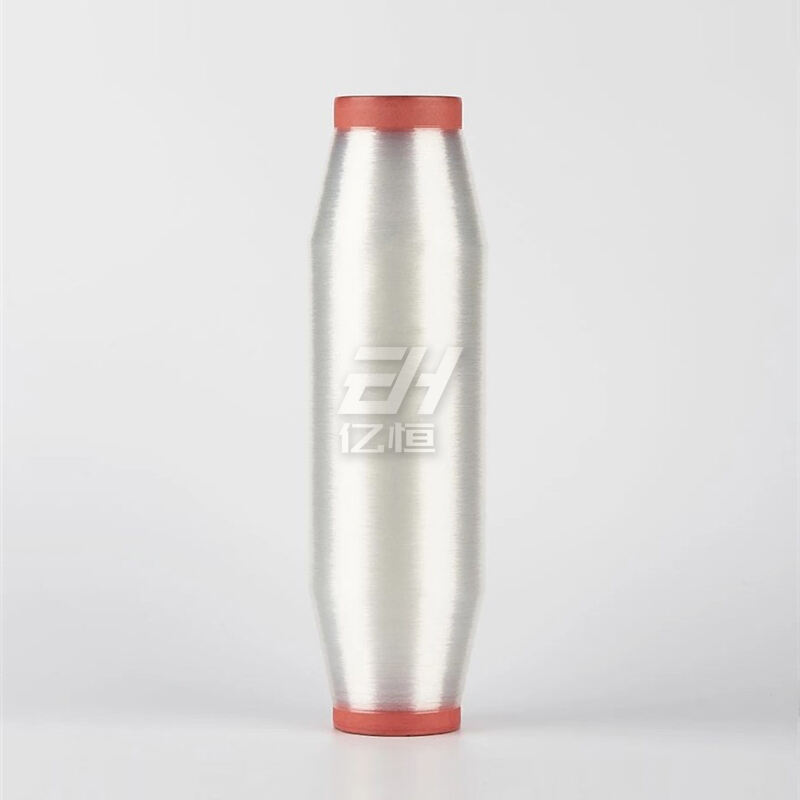
The strength of monofilament fishing line is related to its construction. The plastic used to make the line is heated and extruded through an extremely small hole. This process is known as extruding. As the plastic is forced through this opening, the microscopic sections of the plastic line up in a straight line. The unique structure of the molecules is what makes the line strong and stretchy. That stretch is crucial because it cushions the blows that a fish delivers when it pulls on the line, which makes it less likely to break.
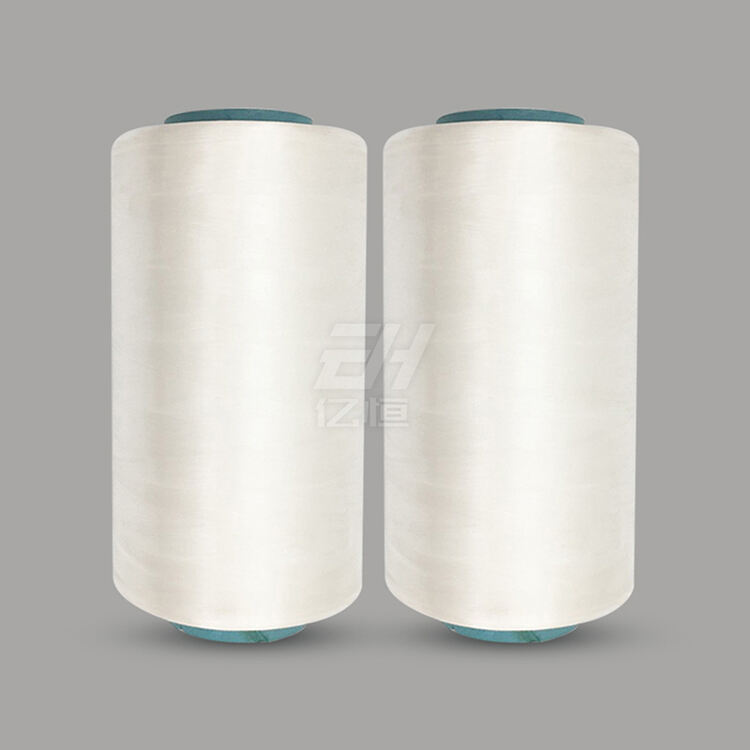
Monofilament, like any fishing line, has its positives and negatives. This is one of the biggest advantages; because it is very versatile, it can be used for many different fishing techniques and types of fish. In addition, the affordable pricing makes it easily accessible in shops, another significant advantage for fishermen. Then, what are disadvantages of new technology? One downside is that monofilament doesn’t always have enough stretch, which can make it difficult to feel a fish take the bait. This type of cache style is not always optimal for fishermen looking for fish to catch. Moreover, monofilament fishing line doesn't stay in good shape as long as some lines do. This is due to the fact that it can be affected by the rays emitted by the sun (UV damage) and can absorb water in time.
We operate more than 100 production units with complete in-house dyeing and finishing, backed by a strict quality control system that ensures 100% inspection of every product before shipment, guaranteeing consistency and reliability.
Our products—dyed with eco-friendly colorants and compliant with CPSIA, REACH, and international sustainability standards—are exported to over 20 countries, building long-term trust with partners in the US, Europe, Asia, and beyond.
Supported by an R&D team with over 15 years of experience, we offer extensive customization—from 600+ standard colors to 1–300 kg sample dyeing—ensuring tailored solutions for every client across fashion, textile, and industrial applications.
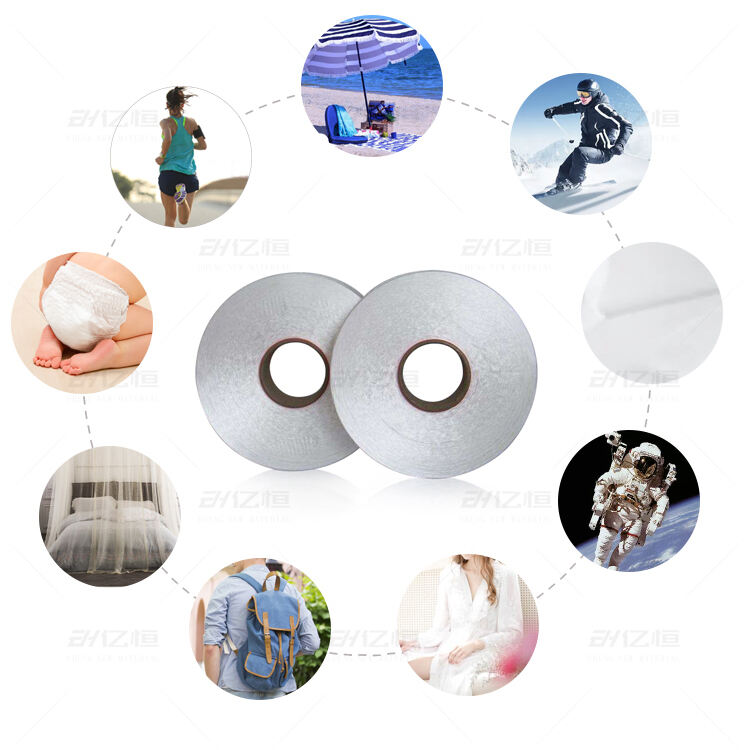
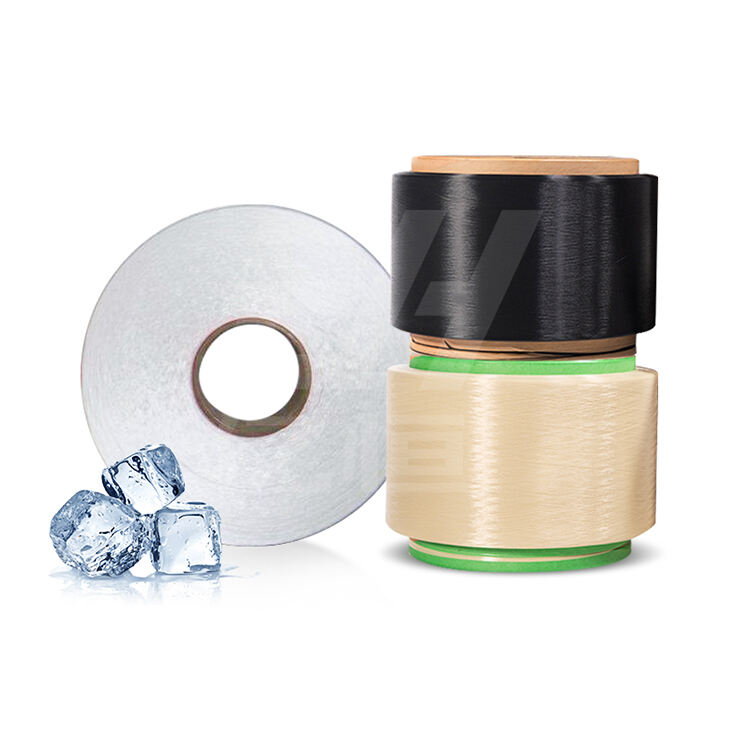
Our high-tech facility specializes in 11 series of differentiated filament yarns—including monofilament, FDY, DTY, PBT, and functional yarns—widely used in apparel, home textiles, and sportswear, with all products certified to Oeko-Tex 100 and GRS standards.
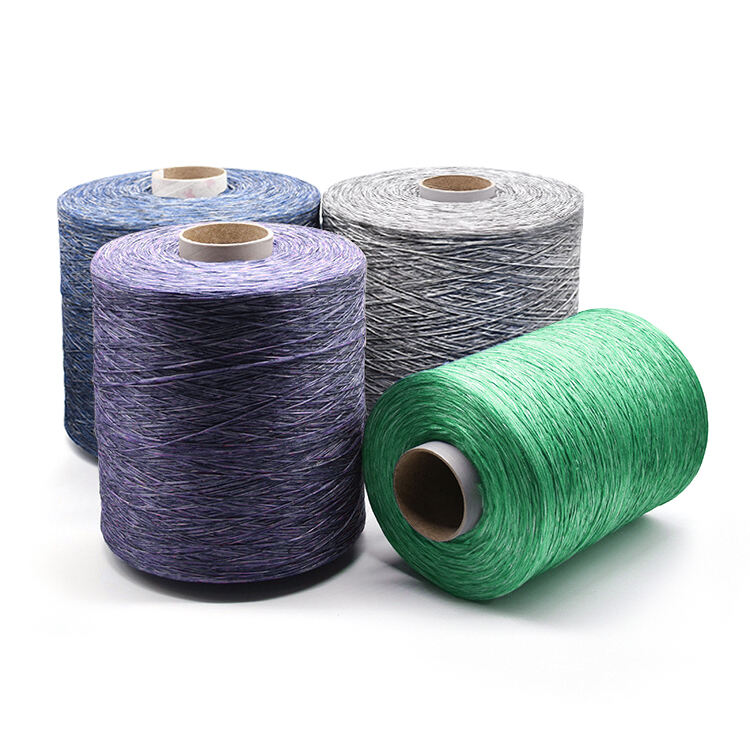
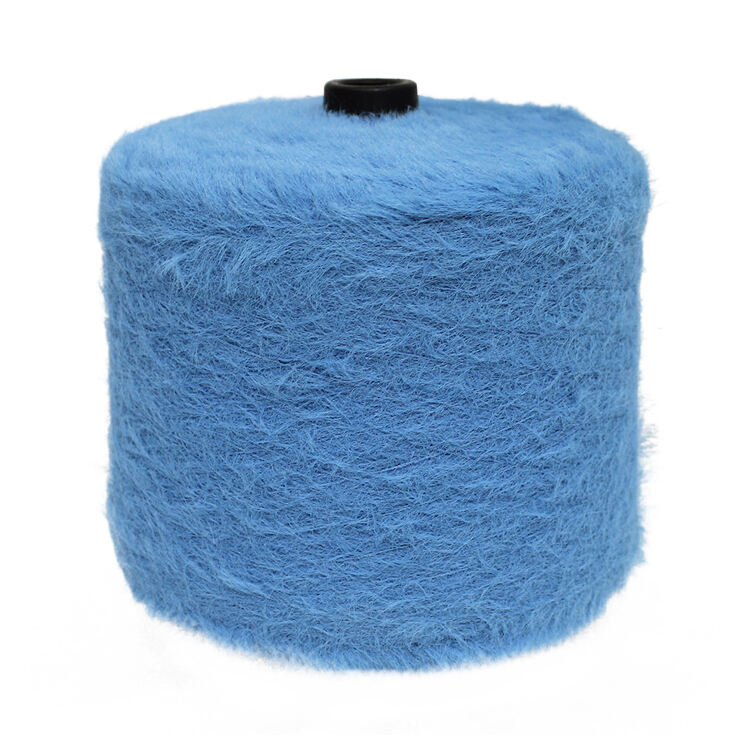
Nantong EHENG produce Monofilament (PA, PES, PET, PP, PLA), Nylon yarn, Twisted yarn, Covered Yarn, Fancy yarn, Sewing thread, BCF yarn, Low melting yarn.
NO.9 Ximeng Road, Development Zone, Haian, China 226600
Copyright © Nantong Eheng New Material Technology Co., Ltd. All Rights Reserved - Privacy Policy
 EN
EN
 AR
AR
 BG
BG
 HR
HR
 CS
CS
 DA
DA
 NL
NL
 FI
FI
 FR
FR
 DE
DE
 EL
EL
 HI
HI
 IT
IT
 JA
JA
 KO
KO
 NO
NO
 PL
PL
 PT
PT
 RO
RO
 ES
ES
 SV
SV
 CA
CA
 TL
TL
 ID
ID
 LV
LV
 LT
LT
 SR
SR
 VI
VI
 SQ
SQ
 HU
HU
 MT
MT
 TH
TH
 TR
TR
 MS
MS
 GA
GA
 LO
LO
 LA
LA
 BN
BN
 SK
SK
 SL
SL