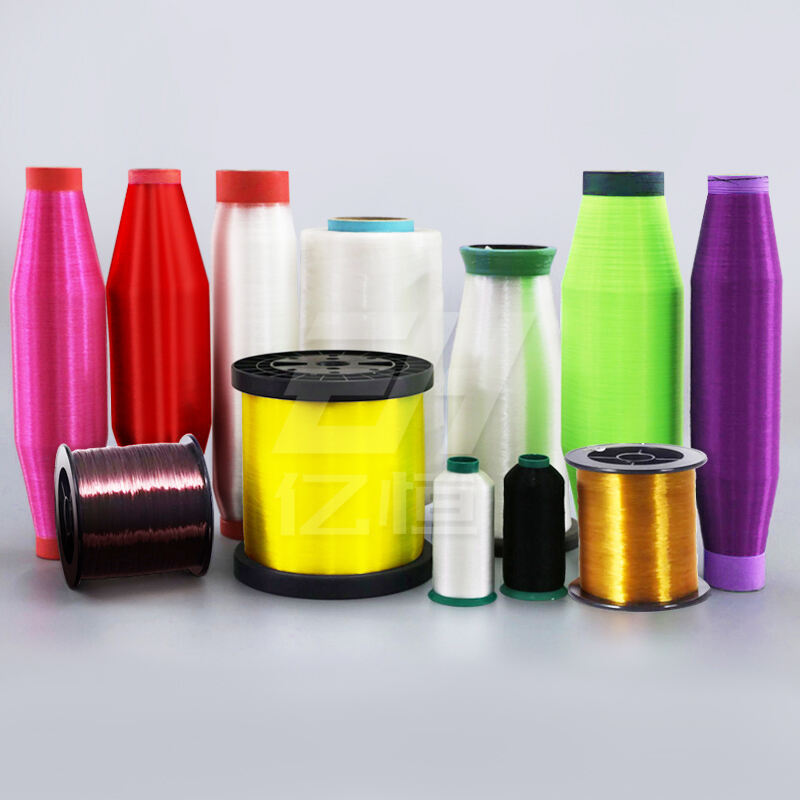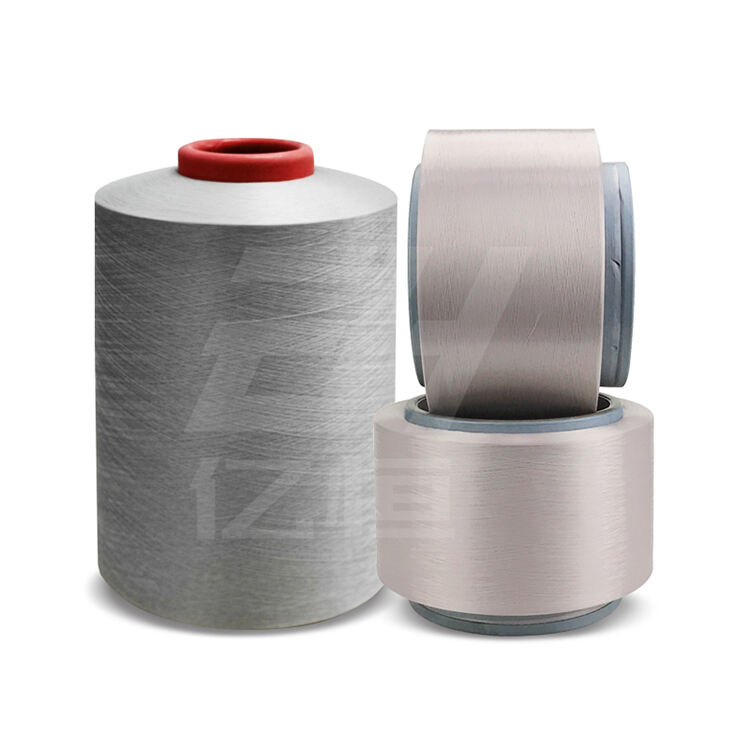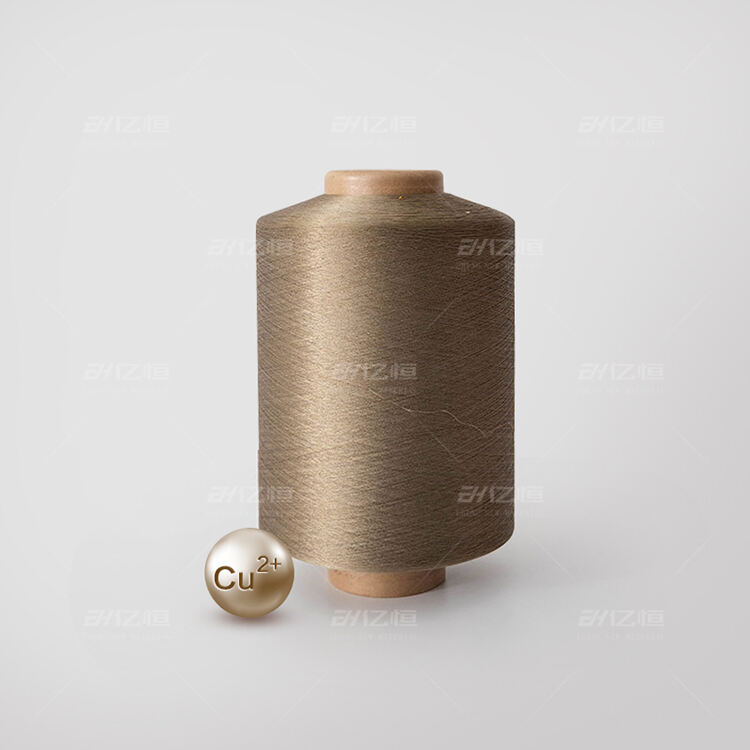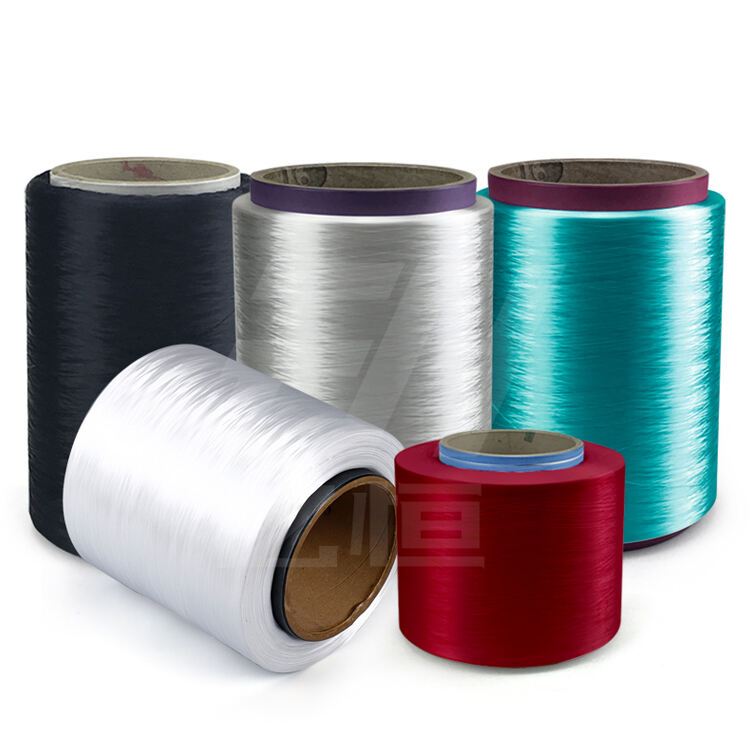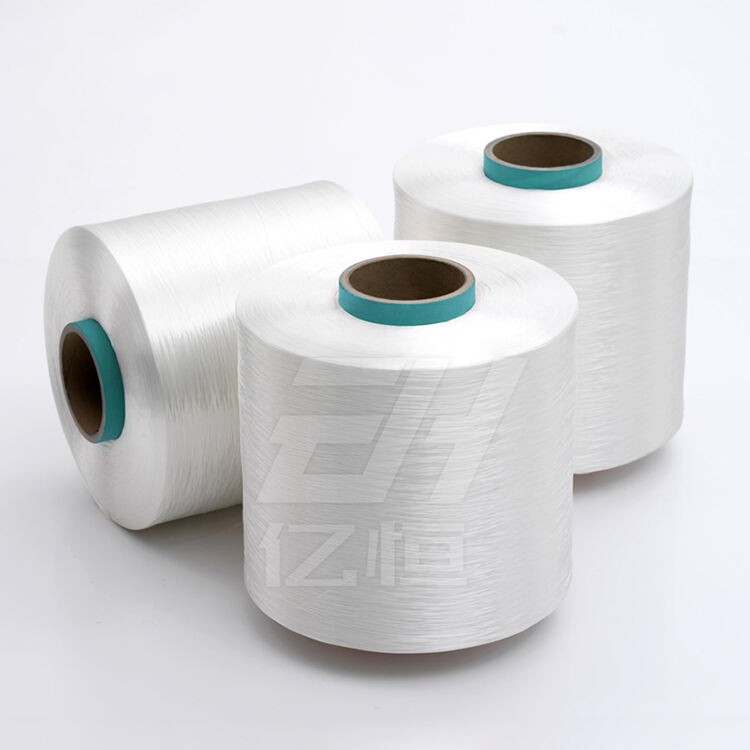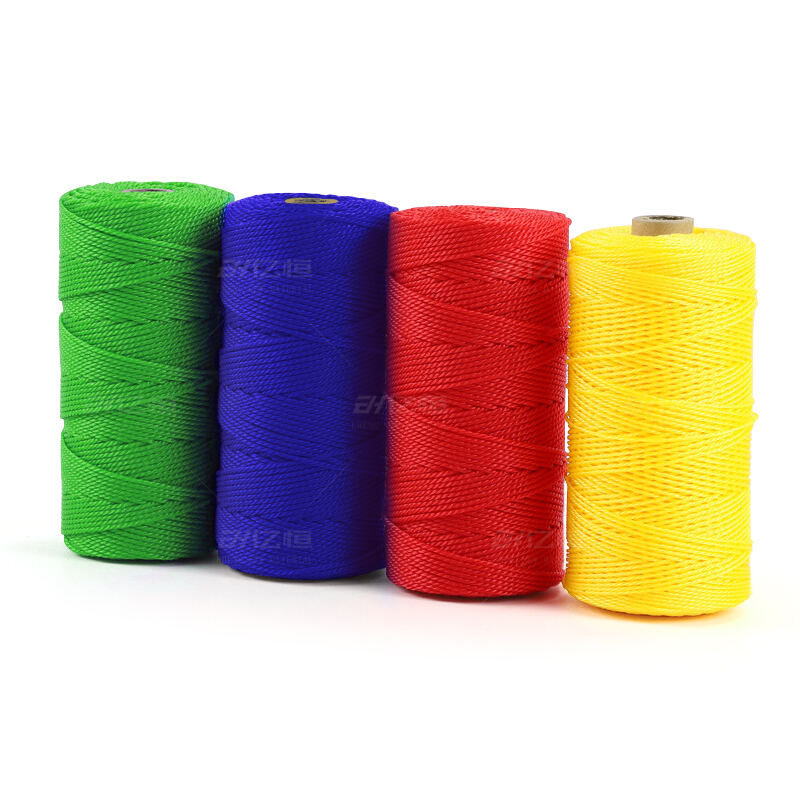
It's a special kind of thread that allows us to create countless items we use every day in our lives, like clothing, shoes, and bags. This is where everything gets tough, making these items able to withstand an eternal time span. Industrial yarn comes in many different textures and colors, and people use it in many ways to make different products. Eheng is an make and a really good one. In this article, we will explore more about industrial yarn, its various applications, and why it is essential in our everyday lives.
Industrial yarn is a special yarn that is used more than in one way to produce various products which we see around us. For instance, Eheng produces industrial yarn that goes into making fabric garments and other fabric-based products. Apart from clothing, industrial yarn can be spun into bastions of principle like ropes, nets and hoses for a limitless variety of applications. It also is versatile, since this type of yarn can be manipulated and used various ways, which is good because we need various items.
The industrial yarn is used to manufacture various products, which in our day to day life are seen and used. For example, it is used to create clothing like shirts, pants, and dresses which humans wear. It is also used to make shoes, bags and other accessories to help us carry our stuff. From curtains draped in our windows and bedding, covering our beds, to carpets underfoot, industrial yarn can be found in many consumer items. Apart from that, setting up industrial yarn is extremely socializing in other sectors, which can either be upkeeping vehicles, assembling airliners or even construction buildings. Many of these products would lack significantly without industrial yarn, and would actively hold less useful utility.

Industrial yarn is exceptionally strong and long-lasting. This durability is why it is preferred for products that must be tough and able to weather wear and tear. Industrial yarn can withstand heat, chemicals and abrasion, so it is ideal for harsh environments like factories. While things get tired in these places, industrial yarns come to grock! It could also be customized for specific requirements industrial yarn. For example, plastic can be made to be resistant to fire, meaning it won't catch fire easily or it can be made to not hold static electricity in certain cases.
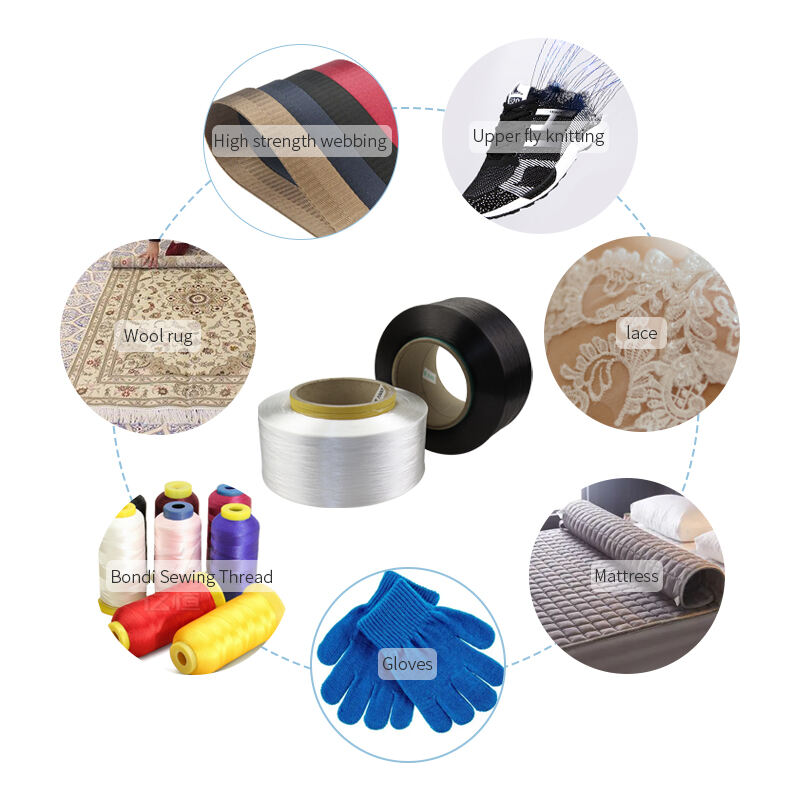
Industrial yarn has also optimized how we manufacture textiles in a faster, easier and more affordable manner. Eheng’s industrial yarn is used at many different stages in textile production, including spinning the yarn, weaving it into fabric and knitting it into shape. As a result, the stuffing creates textiles that are stronger, which leads to a longer-lasting product, something that's critical for everyday items. The last point is possible due to industrial yarns, which allow for the clothing (and other fabric items) we purchase to made in a more efficient manner, and thus gives us access to high-quality materials.
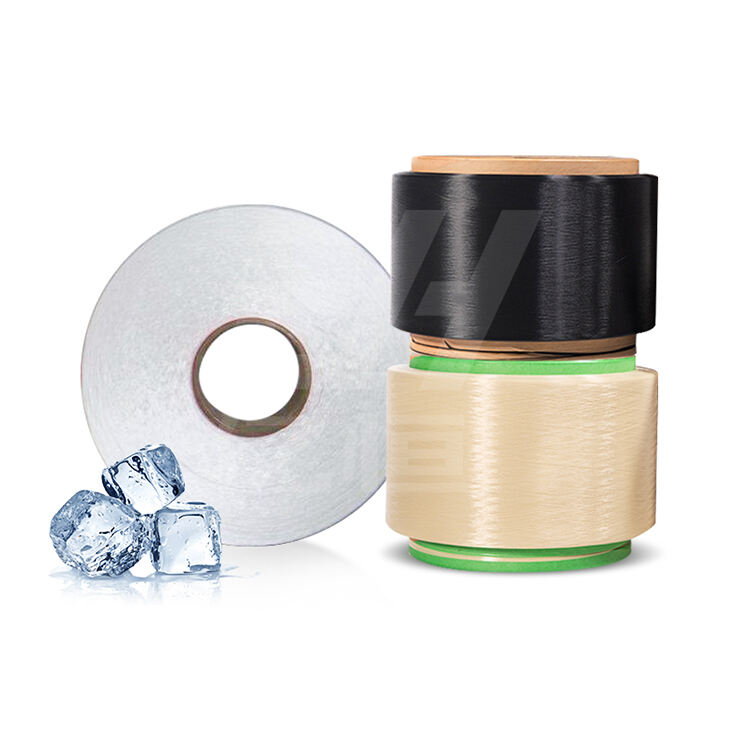
There are many types of industrial yarn, including synthetic yarns such as polyester, nylon and aramid. Synthetic yarns are chemical and have unique properties that make them very strong and durable. Synthetic fibers are typically stronger and more durable piece-by-piece than plant-derived fibers such as cotton or animal-based fibers such as wool, which can be less long-lasting. Eheng makes synthetic yarns for various critical products, including vehicle tires, airbags and bulletproof vests. These products demonstrate how versatile (and useful) industrial yarn can be.
Supported by an R&D team with over 15 years of experience, we offer extensive customization—from 600+ standard colors to 1–300 kg sample dyeing—ensuring tailored solutions for every client across fashion, textile, and industrial applications.
Our products—dyed with eco-friendly colorants and compliant with CPSIA, REACH, and international sustainability standards—are exported to over 20 countries, building long-term trust with partners in the US, Europe, Asia, and beyond.
Our high-tech facility specializes in 11 series of differentiated filament yarns—including monofilament, FDY, DTY, PBT, and functional yarns—widely used in apparel, home textiles, and sportswear, with all products certified to Oeko-Tex 100 and GRS standards.
We operate more than 100 production units with complete in-house dyeing and finishing, backed by a strict quality control system that ensures 100% inspection of every product before shipment, guaranteeing consistency and reliability.
Nantong EHENG produce Monofilament (PA, PES, PET, PP, PLA), Nylon yarn, Twisted yarn, Covered Yarn, Fancy yarn, Sewing thread, BCF yarn, Low melting yarn.
NO.9 Ximeng Road, Development Zone, Haian, China 226600
Copyright © Nantong Eheng New Material Technology Co., Ltd. All Rights Reserved - Privacy Policy
 EN
EN
 AR
AR
 BG
BG
 HR
HR
 CS
CS
 DA
DA
 NL
NL
 FI
FI
 FR
FR
 DE
DE
 EL
EL
 HI
HI
 IT
IT
 JA
JA
 KO
KO
 NO
NO
 PL
PL
 PT
PT
 RO
RO
 ES
ES
 SV
SV
 CA
CA
 TL
TL
 ID
ID
 LV
LV
 LT
LT
 SR
SR
 VI
VI
 SQ
SQ
 HU
HU
 MT
MT
 TH
TH
 TR
TR
 MS
MS
 GA
GA
 LO
LO
 LA
LA
 BN
BN
 SK
SK
 SL
SL