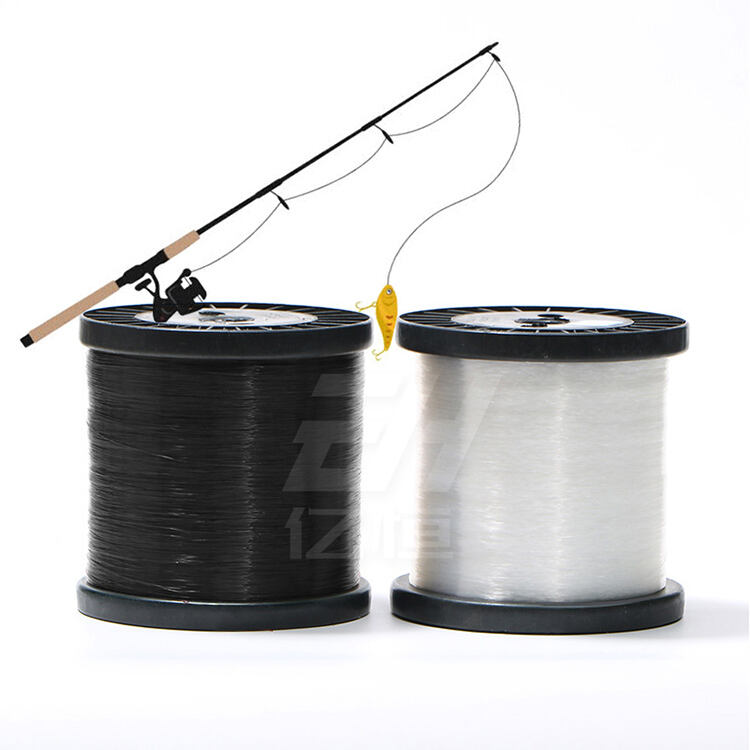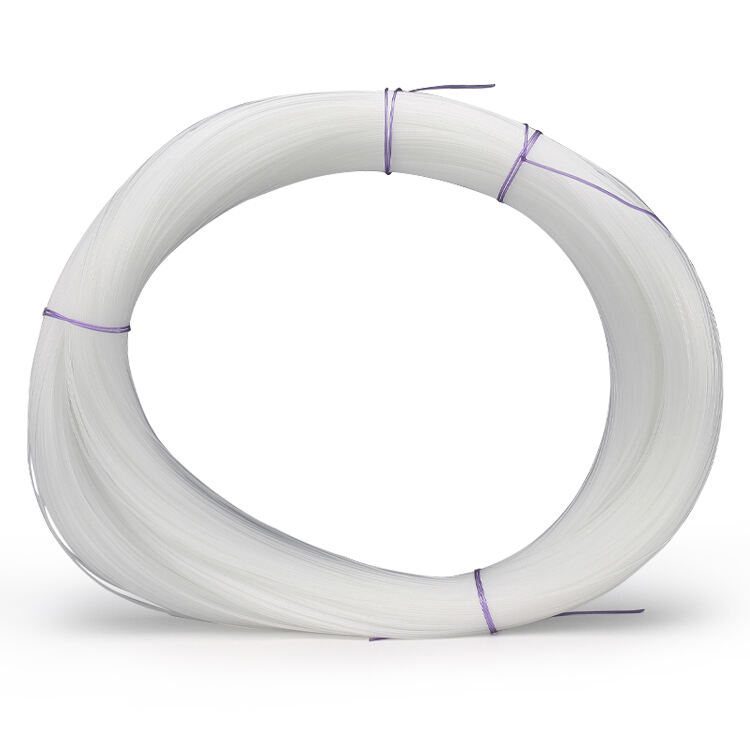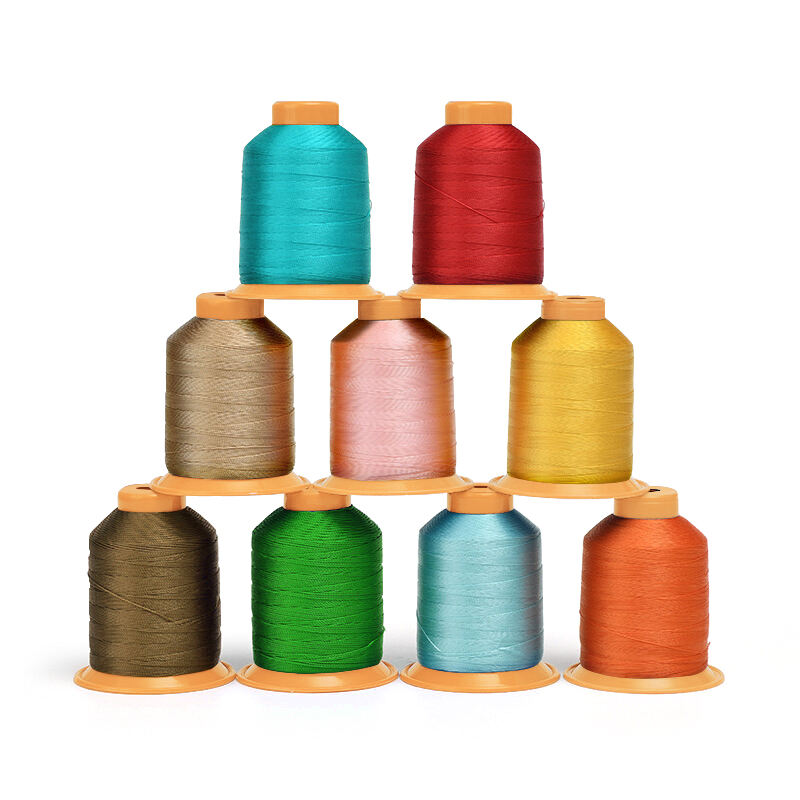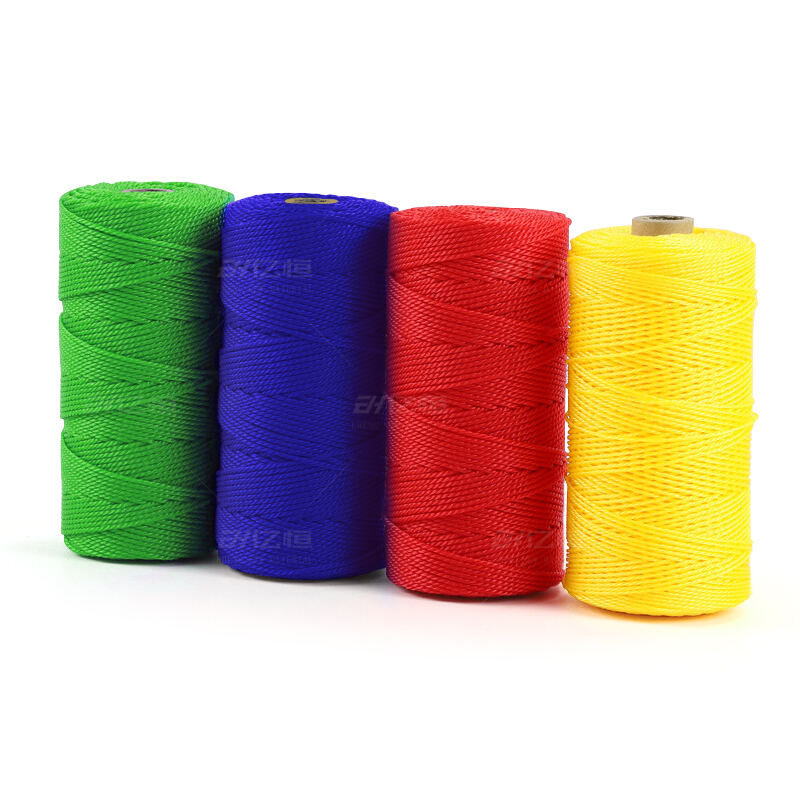
There’s a fancy name for it but it’s basically (find really cool video on it HERE) - a special type of plastic that is pretty powerful. The material is composed of long chains of tiny bits, called molecules, that cling to each other tightly. These chains are considerably longer than those found in other plastics. This is what makes high molecular weight polyethylene extremely strong and tough. This means it can be placed in a large amount of pressure without breaking, which is why it is used in numerous products.
We want polyethylene of high molecular weight, which we make by starting with ethylene monomers, small molecules of a gas. So first, you heat up these molecules and put them under a lot of pressure. This is really important because it makes the molecules join up to create those long chains we discussed above. Then the chains are cooled down years so they are substantial. These solid chains are then cut into the respective sizes and shapes that are required for different applications.
Due to its incredible strength and durability, high molecular weight polyethylene can be found in numerous outdoor products, including playground equipment and patio furniture. Great for a wide range of weather, designed to withstand very hot or cold temperatures For example, it can remain strong in the hot summer and also not break in the cold winter.
This special plastic is used for a lot of important parts in the automotive industry. Its used for making fuel tanks, windshield wipers, and gears that enable cars to run smoothly. There’s also high molecular weight polyethylene in construction, in packageations, in planes, in military equipment. That versatility makes it a useful material in so many fields.

High molecular weight polyethylene is also resistant to chemicals which is an added advantage. It can also reduce costs for maintenance and repairs, as it won't break down and pause the vehicle's operation at the mere exposure to foreign substances. It's also a very lightweight material, which is extremely useful for applications where a strong product must also not be too heavy.
The exception to this is high molecular weight polyethylene, which presents some difficulties. It is harder to mold and shape in comparison to most other kinds of plastic. That means some designs may require extra work to create. Its melting point is lower than that of many types of plastic, and this can limit its uses in high-temperature applications where heat is an issue.
Advancements in high molecular weight polyethylene are taken care of by scientists and engineers who can be found working tirelessly for improvements. For instance, they’re incorporating different materials, such as glass or carbon fibers, to improve the strength and stiffness of the plastic. That means the plastic may also develop increased strength and durability in extreme environments.
Our high-tech facility specializes in 11 series of differentiated filament yarns—including monofilament, FDY, DTY, PBT, and functional yarns—widely used in apparel, home textiles, and sportswear, with all products certified to Oeko-Tex 100 and GRS standards.
We operate more than 100 production units with complete in-house dyeing and finishing, backed by a strict quality control system that ensures 100% inspection of every product before shipment, guaranteeing consistency and reliability.
Our products—dyed with eco-friendly colorants and compliant with CPSIA, REACH, and international sustainability standards—are exported to over 20 countries, building long-term trust with partners in the US, Europe, Asia, and beyond.
Supported by an R&D team with over 15 years of experience, we offer extensive customization—from 600+ standard colors to 1–300 kg sample dyeing—ensuring tailored solutions for every client across fashion, textile, and industrial applications.
Nantong EHENG produce Monofilament (PA, PES, PET, PP, PLA), Nylon yarn, Twisted yarn, Covered Yarn, Fancy yarn, Sewing thread, BCF yarn, Low melting yarn.
NO.9 Ximeng Road, Development Zone, Haian, China 226600
Copyright © Nantong Eheng New Material Technology Co., Ltd. All Rights Reserved - Privacy Policy
 EN
EN
 AR
AR
 BG
BG
 HR
HR
 CS
CS
 DA
DA
 NL
NL
 FI
FI
 FR
FR
 DE
DE
 EL
EL
 HI
HI
 IT
IT
 JA
JA
 KO
KO
 NO
NO
 PL
PL
 PT
PT
 RO
RO
 ES
ES
 SV
SV
 CA
CA
 TL
TL
 ID
ID
 LV
LV
 LT
LT
 SR
SR
 VI
VI
 SQ
SQ
 HU
HU
 MT
MT
 TH
TH
 TR
TR
 MS
MS
 GA
GA
 LO
LO
 LA
LA
 BN
BN
 SK
SK
 SL
SL