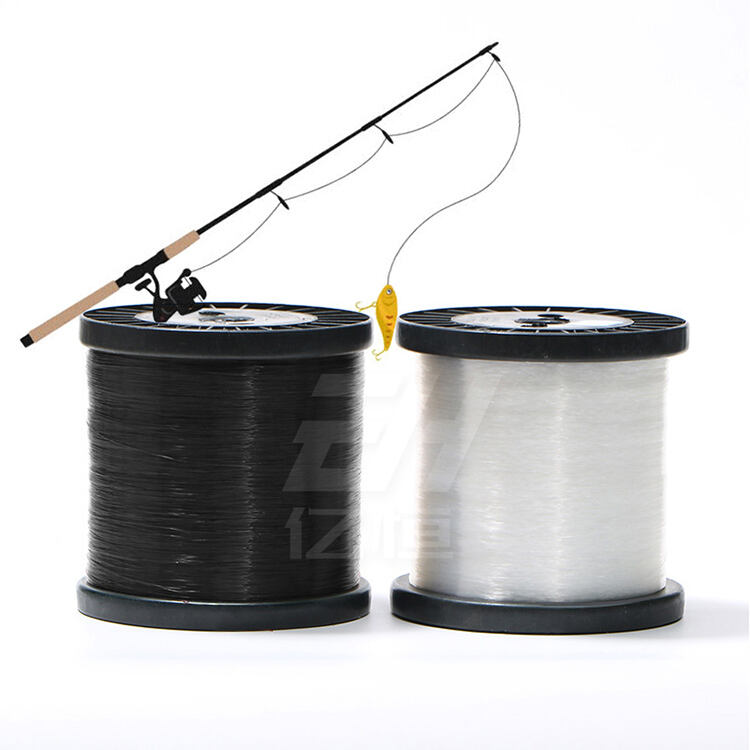
So, have you come across HDPE Monofilament? This may sound like a big fancy word but it is a type of fishing line made out of a special kind of plastic called High-Density Polyethylene. This plastic is super tough and contains several amazing properties that light it up for fishing. This text contains a discussion of the amazing features and lots of applications of HDPE Monofilament. We will discuss the advantages, the strength, the special features, and how it stacks up against other types of fishing lines.
The good part about HDPE Monofilament is it has very strong and long life. So basically, it can withstand a fair amount of tension when fishing for big ones without getting tangled or snapping. Now, try pulling in a big fish and your line breaks! This is why a strong fishing line is so critical. Moreover, it is sun and also chemical resistant that can make it last longer. That means you can use it for long periods of time without having to worry about the sun damaging it or anything it might touch.
HDPE Monofilament also has the flexible and smooth property. The modified length gives it the ability to bend when reeling in, so it moves quickly through water and over rocks which suits the application of fishing in rivers/streams. When you cast your line, you want it to slide easily, enter the water and HDPE Monofilament takes care of that! Moreover, this fishing line is not easily visible in water than all other types of fishing lines. This is a huge benefit because it means the fish won’t be frightened away by the bright color of the line. If fish do not see it, it is more likely to be bitten on the hook and caught!
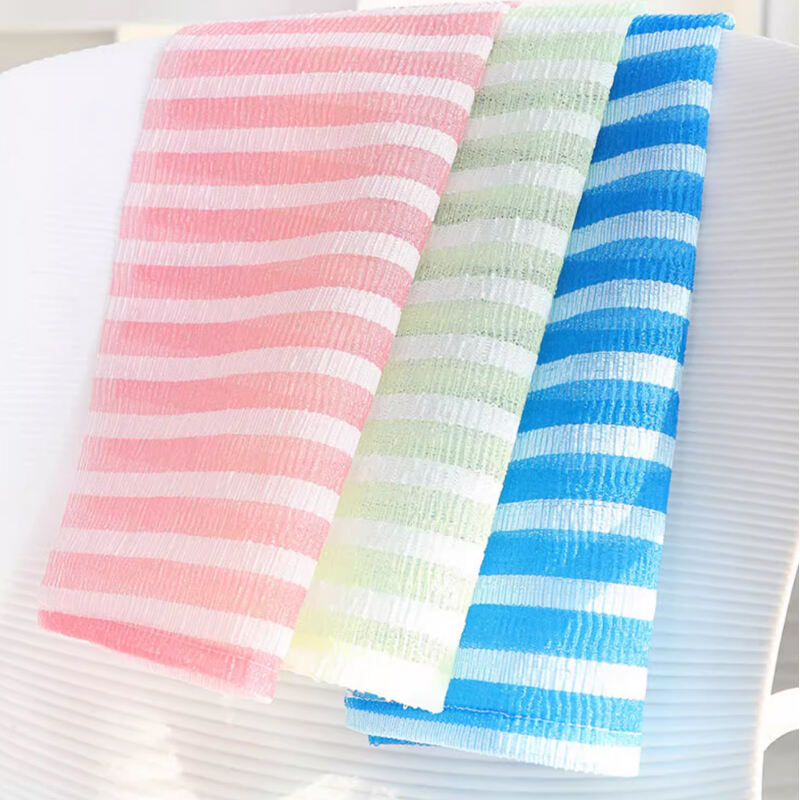
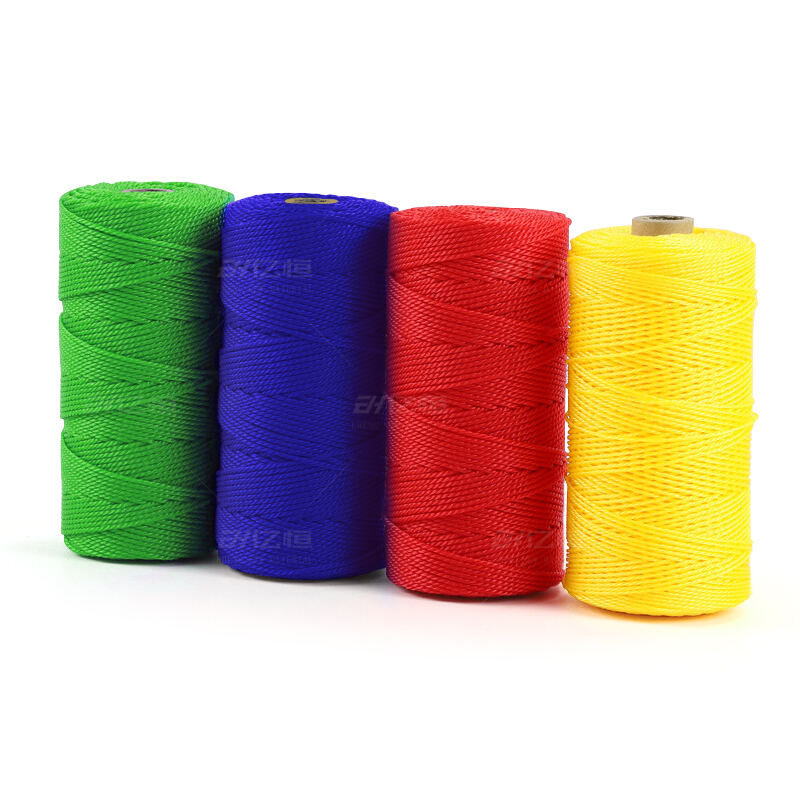
HDPE Monofilament is not only great for fishing, it also finds a variety of applications in many different industries. It can be used, for example, to make ropes, nets, and brushes. Its rugged nature allows it not to wear out easily and this makes it ideal for high work tasks. Think of a rope you use to lift heavy objects; that rope must be strong! HDPE Monofilament can withstand extreme heat as well as freezing temperatures, perfecting its practicality for many locations and even conditions. This fishing line works great even when it's hot out or super cold.
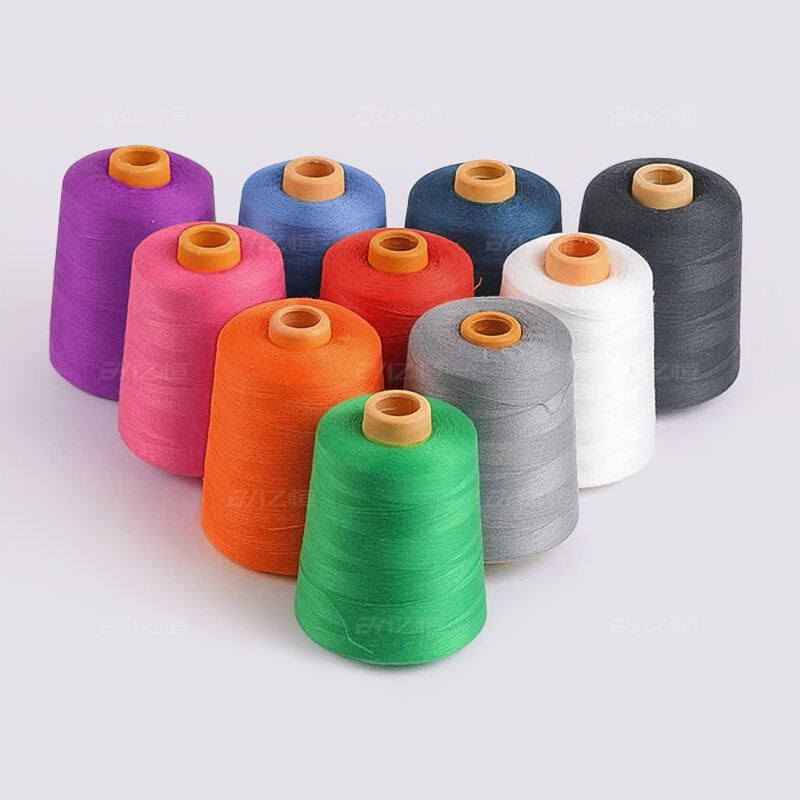
HDPE Monofilament is Good For More Than Just Fishing & Industry. For example, it is used to make kite strings, hammocks and even soccer nets. Have you ever flown a kite? The string should be robust and lightweight so it can lift the kite way up. This is why it is the best solution due to light weight and easy to use; HDPE Monofilament. Due to this, it is an amazing selection for every sort of outdoor entertaining activity or sports, as it enables you to spend time outdoors with no worry of gear or equipment breaking.
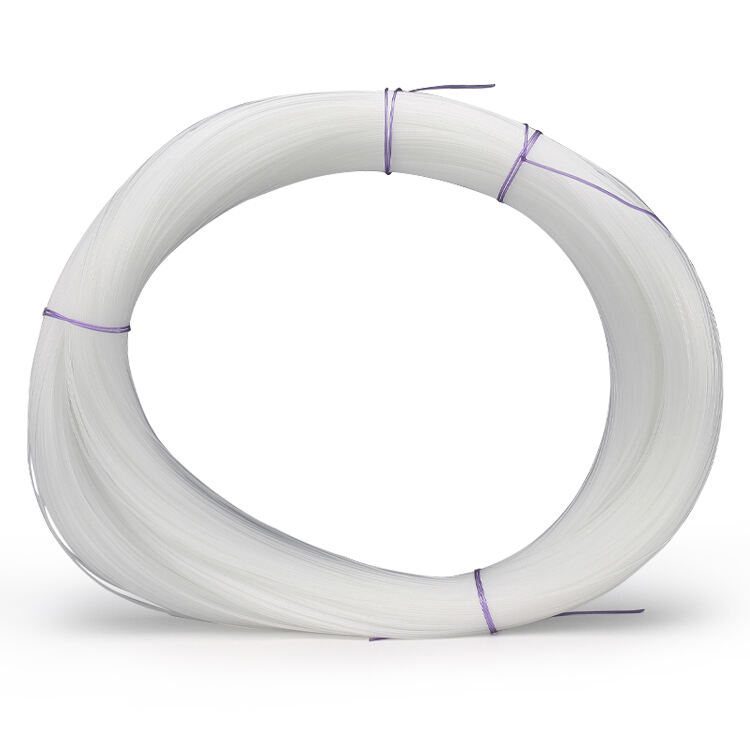
So, now that we know about HDPE Monofilament, let us compare with some other fishing line types to understand the difference. Many people use nylon because it is cheap and widely available. But nylon is not as strong as HDPE Monofilament, so it can break more easily when you catch a big fish. Fluorocarbon fishing line is another common choice. This one is often more expensive than HDPE Monofilament and not as flexible – but it is a good option! This means that even though it works, it does not have the stellar attributes of HDPE Monofilament. Ultimately, HDPE Monofilament is the most popular type among anglers because it offers the perfect combination of strength, durability, flexibility, and affordability.
Our high-tech facility specializes in 11 series of differentiated filament yarns—including monofilament, FDY, DTY, PBT, and functional yarns—widely used in apparel, home textiles, and sportswear, with all products certified to Oeko-Tex 100 and GRS standards.
We operate more than 100 production units with complete in-house dyeing and finishing, backed by a strict quality control system that ensures 100% inspection of every product before shipment, guaranteeing consistency and reliability.
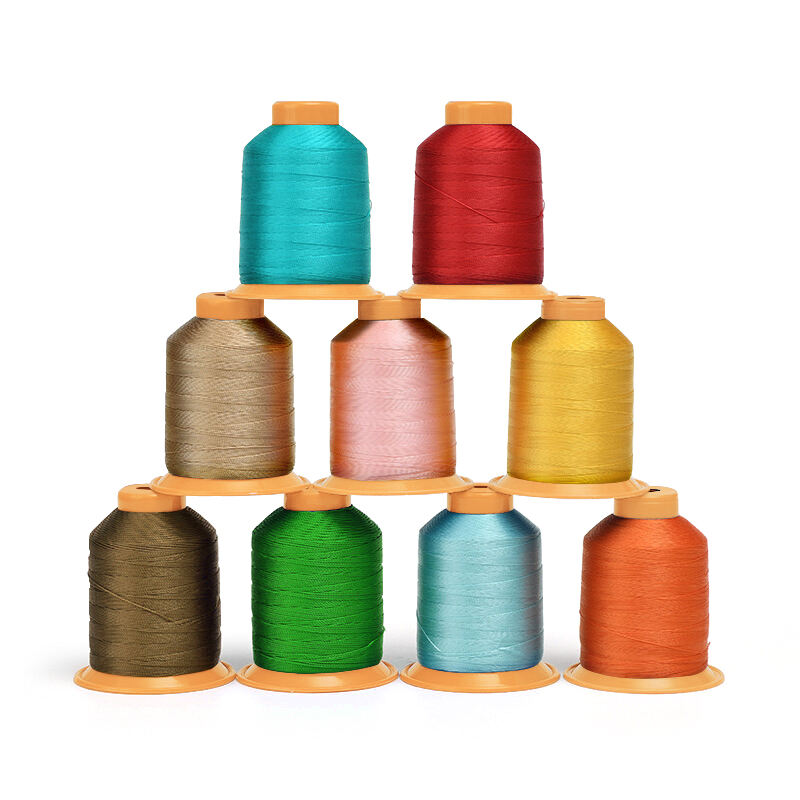
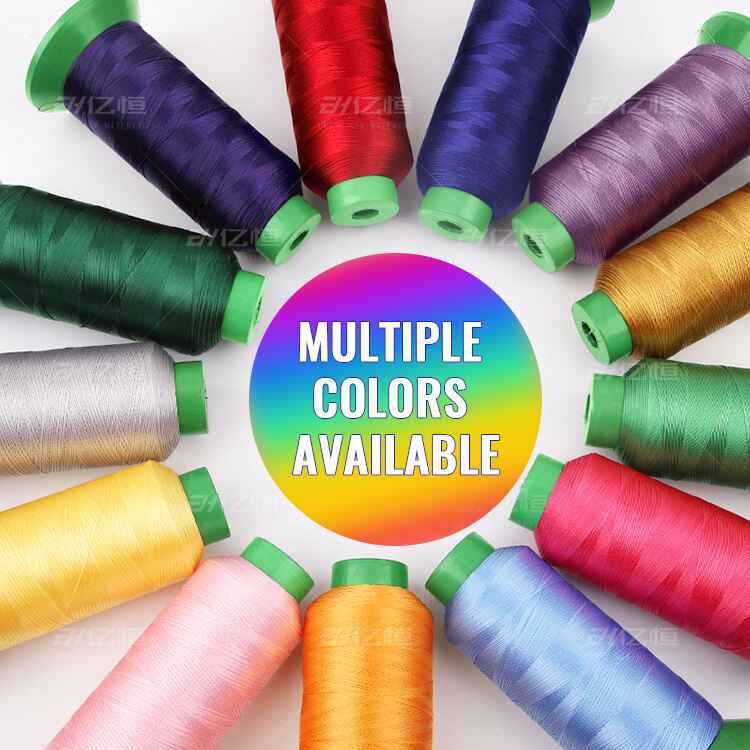
Supported by an R&D team with over 15 years of experience, we offer extensive customization—from 600+ standard colors to 1–300 kg sample dyeing—ensuring tailored solutions for every client across fashion, textile, and industrial applications.
Our products—dyed with eco-friendly colorants and compliant with CPSIA, REACH, and international sustainability standards—are exported to over 20 countries, building long-term trust with partners in the US, Europe, Asia, and beyond.
Nantong EHENG produce Monofilament (PA, PES, PET, PP, PLA), Nylon yarn, Twisted yarn, Covered Yarn, Fancy yarn, Sewing thread, BCF yarn, Low melting yarn.
NO.9 Ximeng Road, Development Zone, Haian, China 226600
Copyright © Nantong Eheng New Material Technology Co., Ltd. All Rights Reserved - Privacy Policy
 EN
EN
 AR
AR
 BG
BG
 HR
HR
 CS
CS
 DA
DA
 NL
NL
 FI
FI
 FR
FR
 DE
DE
 EL
EL
 HI
HI
 IT
IT
 JA
JA
 KO
KO
 NO
NO
 PL
PL
 PT
PT
 RO
RO
 ES
ES
 SV
SV
 CA
CA
 TL
TL
 ID
ID
 LV
LV
 LT
LT
 SR
SR
 VI
VI
 SQ
SQ
 HU
HU
 MT
MT
 TH
TH
 TR
TR
 MS
MS
 GA
GA
 LO
LO
 LA
LA
 BN
BN
 SK
SK
 SL
SL