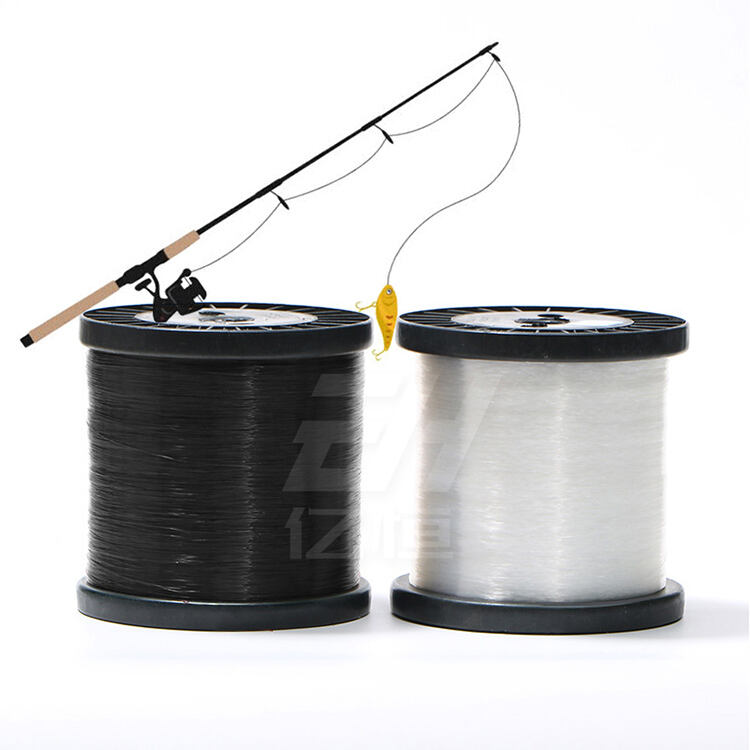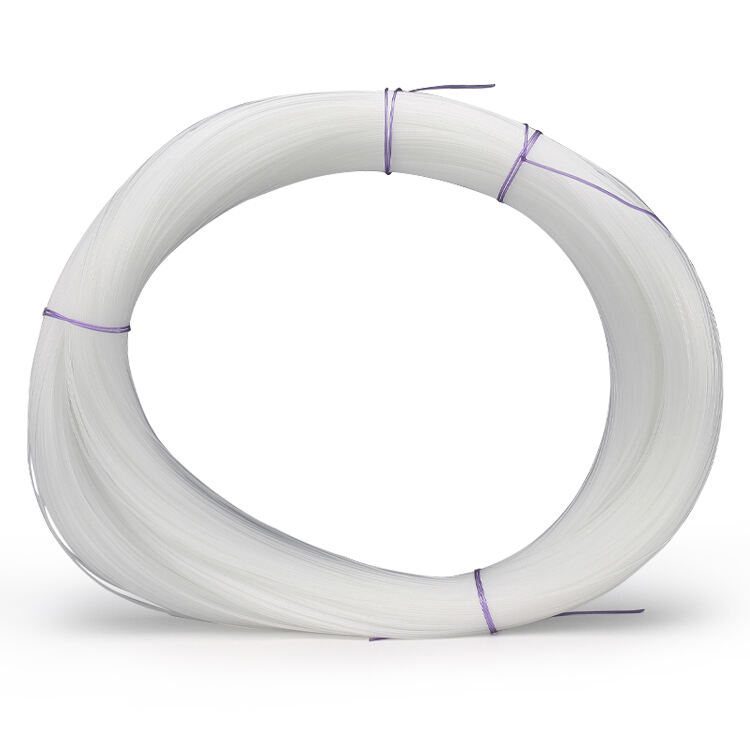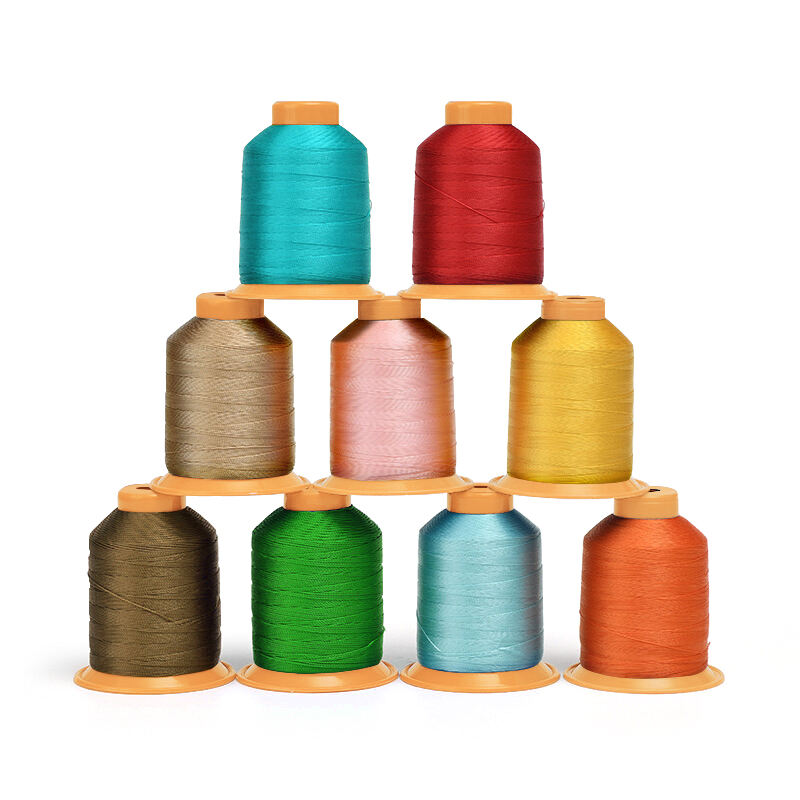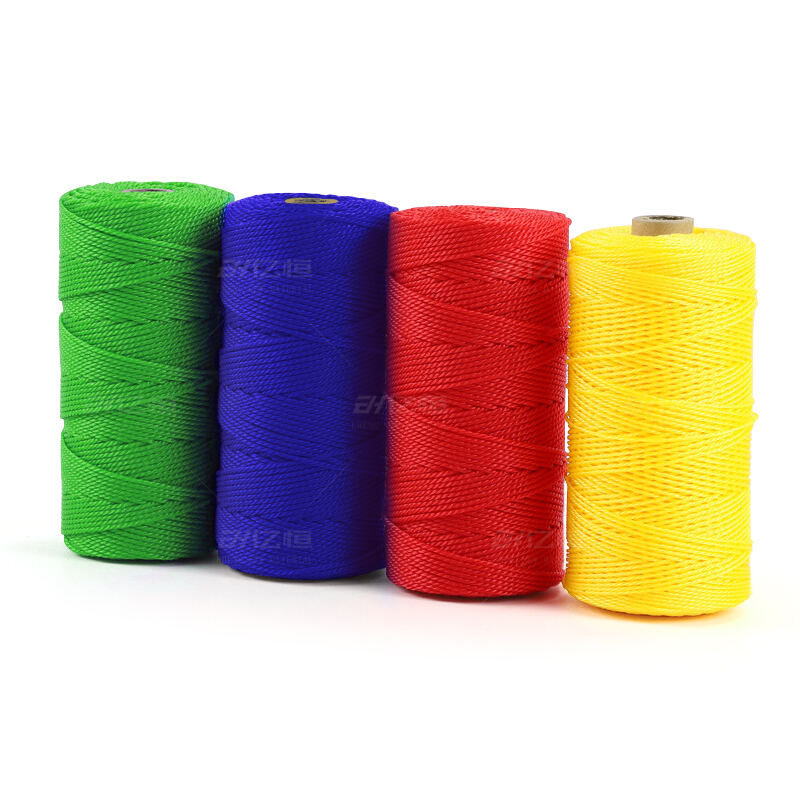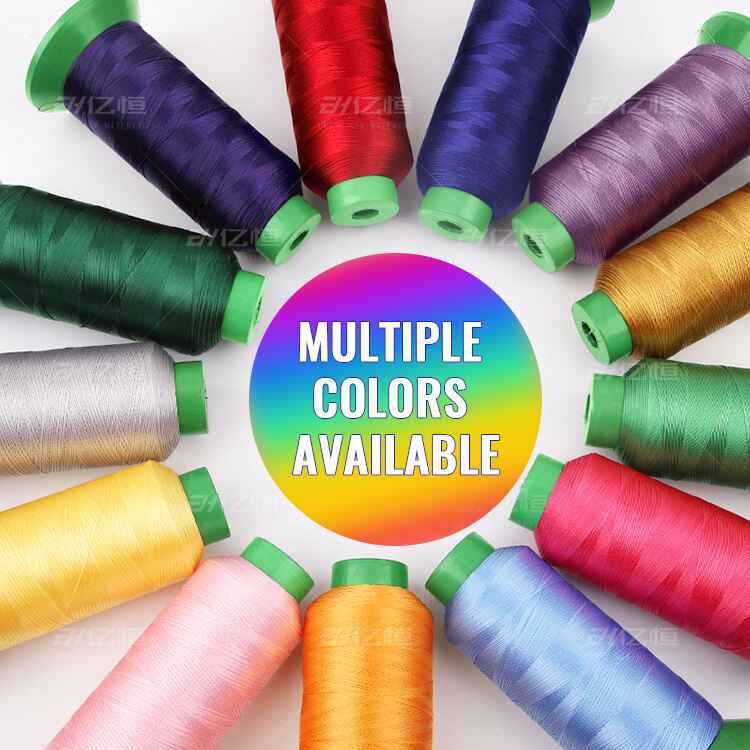
Link to line, one of the most important parts of your fishing gear, is Fly fishing. It is long and skinny rope in a variety of colors. You use this line to throw, or cast, into the water when you are trying to fish. You should know the key things that make a good . Besides knowing what your fishing needs, you also need to know how to choose the best line. So in this article, we will dive everywhere about fly lines. 1. Floating vs. Sinking Lines (Which One To Use)2. How to Choose the Right Line Weight (Everything You Need To Know)3. How To Cast Your Line (Tips & Tricks For A Great Cast)4. Tips for Taking Care of Your Line (To Make It Last Longer)
There are some key characteristics of a good fly fishing line. First of all, it needs to be flexible; i.e., it should be able to bend easily. That flexibility makes it easier for you to cast your line smoothly. Second, the line should be strong to deal with the fish that you want. If the line isn't strong enough, it could snap when a fish bites. It would have to be easy to throw or cast. You also have to hit your target and place the line where you need to put it in the water. Lastly, a quality fly fishing line need to be sensitive. This allows you to feel when a fish bites the line. Weight is one of the most important consideration when choosing fly fishing line You have to match the weight of your line to match the weight of your fly rod. Different rods weigh differently and it is essential your line goes along with your rod. If the line is too light or heavy for your rod, you won’t cast it accurately or efficiently.
Two of the most important reasons the weight of your fly fishing line matters: It first figures out the capacity of the line. Second, it determines how far you can throw it in the water. Fly fishing lines are weighed in grains, a unit of measure. So when you are selecting a line, you must ensure it is the same weight as the weight of your fly rod. Clarity on this point can be given by the fact that, if you have a 5-weight rod, you should use a 5-weight fly fishing line. It will allow you to properly cast your line and catch more fish.
The two biggest categories of fly fishing line are: floating and sinking lines. Floating lines are made to lay on the surface of the water. That means they are not going under water; they are holed so they float and are great at fishing at the surface. Conversely, sinking lines are designed to sink down in the water. These lines help you to fish deeper under the surface. How your fishing, will determine what type of line to get. If you plan to get a bite from a fish swimming just below the water's surface, a floating line might well be the right choice. But if you are targeting fish that are swimming deep, then a sinking line is what you want.
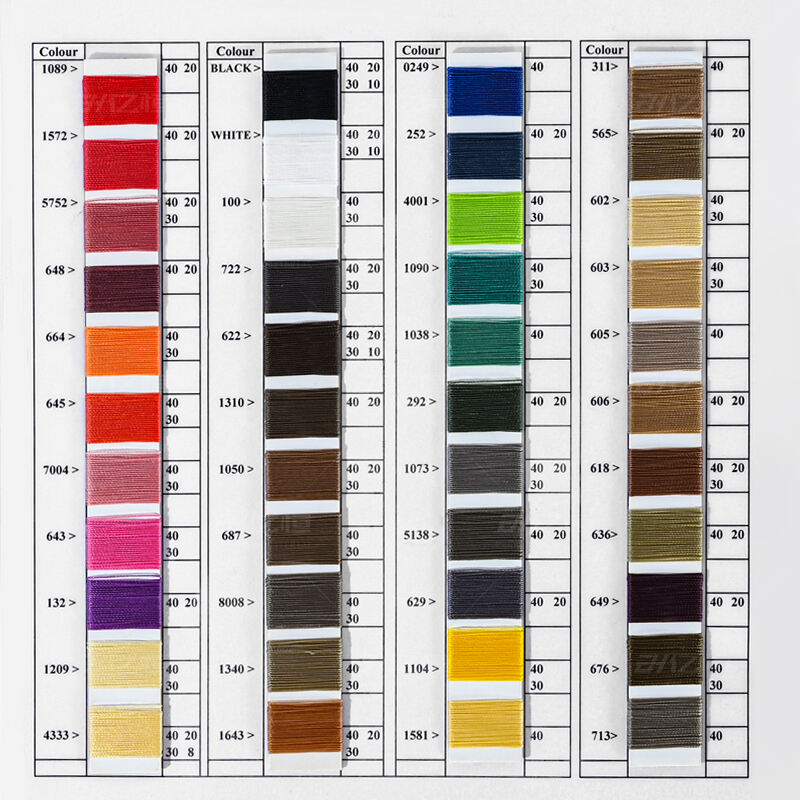
Casting a fly fishing line can be somewhat complicated especially when you first start. But with practice, you can get a lot better at it! Here’s a few tips on how to hone your casting technique and help you cast your line further and more accurately:
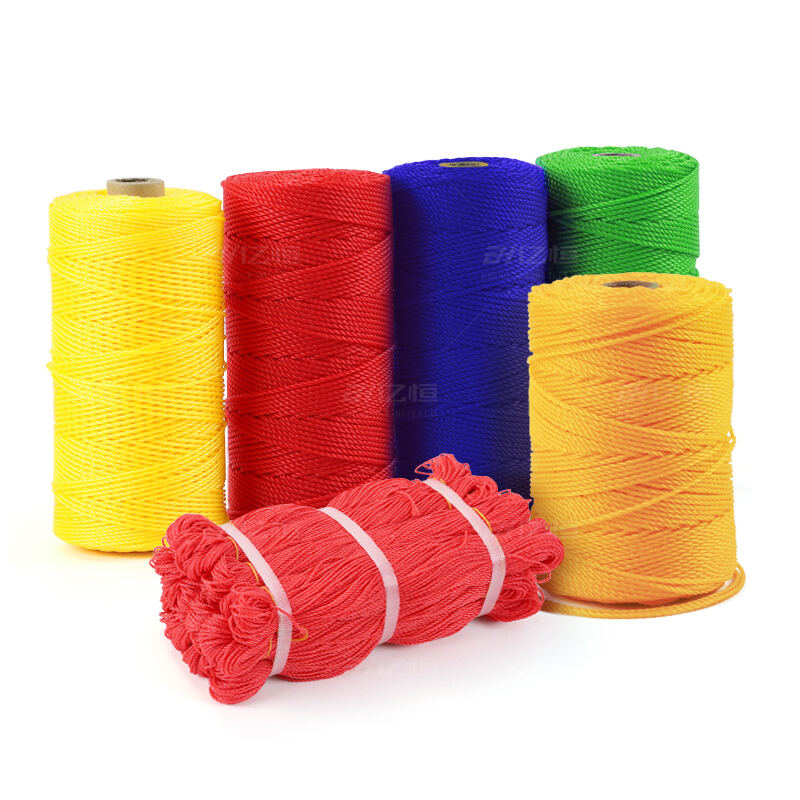
An important point to keep in mind is the amount of power you should use while casting. If your line energy is too low, it won’t get your line very far. If you use a little too much power it will push too far, and it will miss the target.
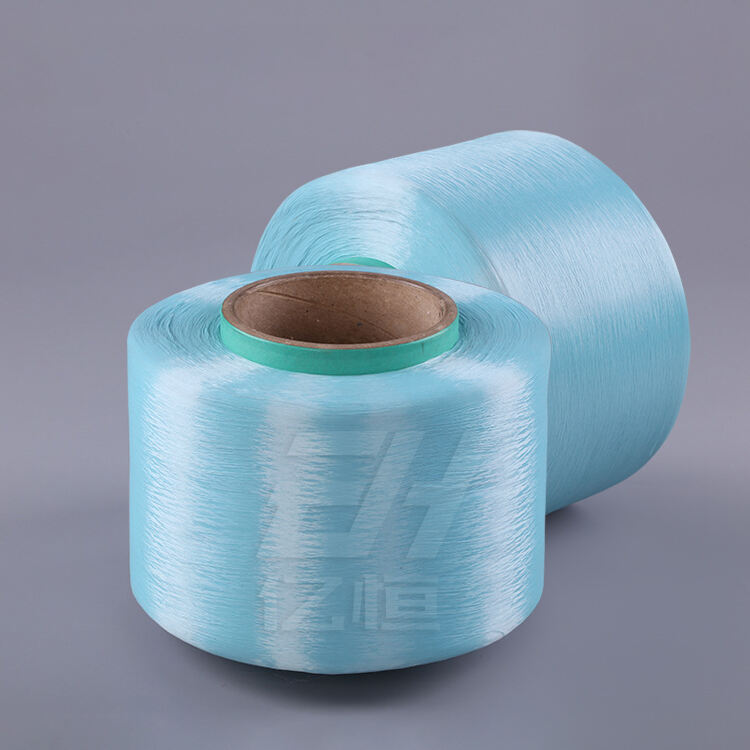
Here are a few tips to keep your fly fishing line in good shape. Doing so will help make sure your line will last you a long time and function properly when you need it. Below are tips for keeping your line in great condition:
Supported by an R&D team with over 15 years of experience, we offer extensive customization—from 600+ standard colors to 1–300 kg sample dyeing—ensuring tailored solutions for every client across fashion, textile, and industrial applications.
We operate more than 100 production units with complete in-house dyeing and finishing, backed by a strict quality control system that ensures 100% inspection of every product before shipment, guaranteeing consistency and reliability.
Our products—dyed with eco-friendly colorants and compliant with CPSIA, REACH, and international sustainability standards—are exported to over 20 countries, building long-term trust with partners in the US, Europe, Asia, and beyond.
Our high-tech facility specializes in 11 series of differentiated filament yarns—including monofilament, FDY, DTY, PBT, and functional yarns—widely used in apparel, home textiles, and sportswear, with all products certified to Oeko-Tex 100 and GRS standards.
Nantong EHENG produce Monofilament (PA, PES, PET, PP, PLA), Nylon yarn, Twisted yarn, Covered Yarn, Fancy yarn, Sewing thread, BCF yarn, Low melting yarn.
NO.9 Ximeng Road, Development Zone, Haian, China 226600
Copyright © Nantong Eheng New Material Technology Co., Ltd. All Rights Reserved - Privacy Policy
 EN
EN
 AR
AR
 BG
BG
 HR
HR
 CS
CS
 DA
DA
 NL
NL
 FI
FI
 FR
FR
 DE
DE
 EL
EL
 HI
HI
 IT
IT
 JA
JA
 KO
KO
 NO
NO
 PL
PL
 PT
PT
 RO
RO
 ES
ES
 SV
SV
 CA
CA
 TL
TL
 ID
ID
 LV
LV
 LT
LT
 SR
SR
 VI
VI
 SQ
SQ
 HU
HU
 MT
MT
 TH
TH
 TR
TR
 MS
MS
 GA
GA
 LO
LO
 LA
LA
 BN
BN
 SK
SK
 SL
SL