 EN
EN
 AR
AR
 BG
BG
 HR
HR
 CS
CS
 DA
DA
 NL
NL
 FI
FI
 FR
FR
 DE
DE
 EL
EL
 HI
HI
 IT
IT
 JA
JA
 KO
KO
 NO
NO
 PL
PL
 PT
PT
 RO
RO
 ES
ES
 SV
SV
 CA
CA
 TL
TL
 ID
ID
 LV
LV
 LT
LT
 SR
SR
 VI
VI
 SQ
SQ
 HU
HU
 MT
MT
 TH
TH
 TR
TR
 MS
MS
 GA
GA
 LO
LO
 LA
LA
 BN
BN
 SK
SK
 SL
SL
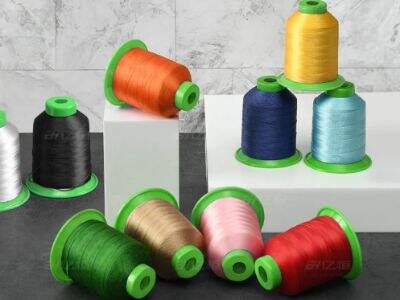
When making shoes or repairing them, choosing the right sewing thread is key. Nylon sewing thread is a great option because it's strong and durable. It can hold up well against wear and tear, which is important for footwear. At Eheng, we know how important it is to have the perfect thread for your shoe projects. That's why we provide quality nylon thread that meets different needs. We will discuss how to pick the right nylon sewing thread for shoes and some tips on finding the best strength for your footwear.
What to Look for When Choosing Nylon Sewing Thread for Shoes
When you're picking nylon thread for shoes, several factors matter. First, consider the thickness of the thread. Thicker threads are stronger and can hold more weight, but they can also be harder to sew. On the other hand, thinner threads are easier to work with but might not be as sturdy. It’s important to find a balance based on what kind of shoes you're making. For example, if you’re creating heavy-duty boots, you may want to choose a thicker thread. But for light sneakers, a thinner thread might be fine.
Next, look at the color. You want the thread to match or contrast nicely with the shoe material. Eheng offers a wide variety of colors, so you can find just the right shade for your project. Also, think about the finish of the thread. Some threads are shiny, while others are matte. The finish can change the look of your shoes, so pick one that suits your style.
Another important factor is the type of nylon. There are different kinds, like nylon 66 and nylon 6. Nylon 66 is often stronger and more resistant to heat. This can be a great choice for shoes that might get hot, like those worn in summer. Nylon 6 is a bit softer and can be easier to work with for delicate projects.
Finally, consider the thread's ability to stretch. Shoes often need to bend and move, so a thread that can stretch without breaking is a plus. Eheng’s nylon threads are designed to stretch slightly, making them ideal for footwear that needs to flex. All these factors together will help you choose the right nylon sewing thread for your shoes.
How to Determine the Best Nylon Thread Strength for Footwear
When it comes to the strength of nylon thread for footwear, it’s all about matching the thread to the job. You want a thread that can handle the wear and tear of daily use. A good way to figure out the right strength is to think about the type of shoe you’re working on. For example, if you are making sandals or flip-flops, you don’t need as strong a thread as you would for hiking boots.
One way to test thread strength is by doing a simple pull test. Take a length of the thread and pull on both ends. This will give you an idea of how much weight it can hold before breaking. Eheng’s nylon threads are tested for strength, so you can feel confident using them in your shoe projects.
Another tip is to check the thread's denier (a unit of measurement for the thickness of the thread). A higher denier number usually means a stronger thread. However, remember that a thicker thread may not always be the best choice for every project. Some designs look better with a finer thread.
Additionally, you can look at the stitching you plan to use. Certain stitches put more stress on the thread. For example, a zigzag stitch may require a stronger thread than a straight stitch. Eheng provides various nylon threads that can suit different stitching styles and strengths, making it easy to find what you need.
In short, when choosing nylon thread for shoes, consider thickness, color, type, flexibility, and strength. With Eheng’s quality options, you can be sure you’re selecting the right thread for any shoe project. Remember, the right thread can make a big difference in the durability and look of your shoes!
How to Choose the Right Color and Finish for Nylon Thread in Shoe Manufacturing
Choosing the right color and finish for nylon thread is important when making shoes. First, you need to think about the color of the shoes you are sewing. If the shoes are bright or colorful, you might want to pick a thread that matches well. For example, if you are making red shoes, using red thread will help the stitches blend in nicely. However, if you want the stitches to stand out, you can choose a different color, like black or white. This can make your shoes look stylish and unique. On the other hand, for shoes that are made in more neutral colors like brown or grey, you can pick threads in similar shades. This makes the shoes look clean and professional.
Next, consider the finish of the thread. Nylon thread can come in different finishes, like shiny or matte. A shiny finish can give your shoes a more polished and fancy look. This is great for dress shoes or shoes that will be worn in special situations. On the contrary, a matte finish gives a more casual and relaxed vibe. It can be perfect for everyday shoes or sneakers. When you choose the finish, think about the style of the shoe and where it will be worn. If you are not sure, you can always ask for samples or check how the thread looks on a small piece of fabric before using it on the whole shoe. Eheng offers a variety of colors and finishes, making it easier for you to find the perfect match for your project.
Top Benefits of Using Nylon Thread in Shoe Manufacturing
There are many benefits to using nylon thread for making shoes. One of the biggest advantages is strength. Nylon thread is very strong and can handle a lot of pulling and tension. This is important for shoes because they need to last a long time, especially if they are worn every day. Shoes can take a lot of wear and tear, and using a strong thread helps keep everything together. Another benefit is that nylon thread is also resistant to moisture. This means that if the shoes get wet, the thread won’t break down easily. This is especially useful for shoes that might be used in rainy weather or wet conditions.
Nylon thread is also flexible, which allows it to move with the shoe. This is important to keep the shoe comfortable when walking or running. If the thread is too stiff, it can make the shoe feel tight and uncomfortable. Additionally, nylon thread comes in many colors and sizes, so you can choose the right one for your needs. Eheng provides a wide selection of nylon thread that is perfect for shoe manufacturing, ensuring that you have everything you need to create high-quality footwear.
Why Nylon Sewing Thread Is the Best Choice for Durable and Stylish Footwear
Nylon sewing thread is ideal for making shoes for several reasons. First, its durability is a key factor. Shoes need to withstand daily use, and nylon thread can handle constant friction and movement. It does not break easily, which means your shoes will stay intact for a longer time. This is especially important for shoes that are used for sports or heavy activities, as they experience more stress. Second, nylon thread can stretch slightly. This flexibility allows the shoes to fit comfortably on your feet without the thread tearing. It helps maintain the shape of the shoes while still allowing for movement.
Moreover, nylon thread is resistant to fading. This means that even if your shoes are exposed to sunlight or washed frequently, the color of the thread will remain vibrant. This is a huge plus for keeping your shoes looking fresh and new. Lastly, industrial yarn nylon thread is relatively lightweight, which is important for shoes. Heavy materials can make shoes feel cumbersome, but nylon keeps them light and easy to wear. With all these benefits, it's clear why nylon sewing thread from Eheng is a top choice for anyone looking to create durable and stylish footwear.
Table of Contents
- What to Look for When Choosing Nylon Sewing Thread for Shoes
- How to Determine the Best Nylon Thread Strength for Footwear
- How to Choose the Right Color and Finish for Nylon Thread in Shoe Manufacturing
- Top Benefits of Using Nylon Thread in Shoe Manufacturing
- Why Nylon Sewing Thread Is the Best Choice for Durable and Stylish Footwear