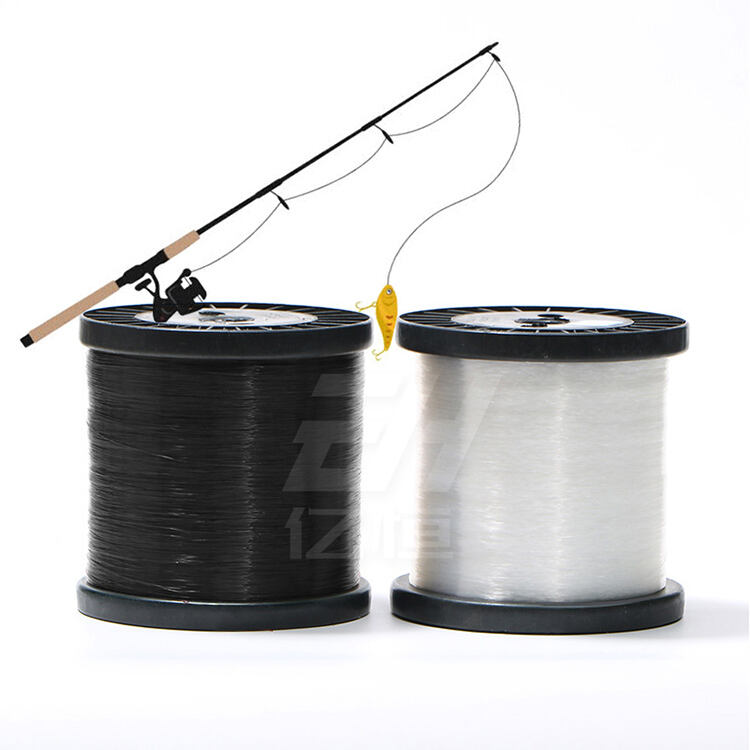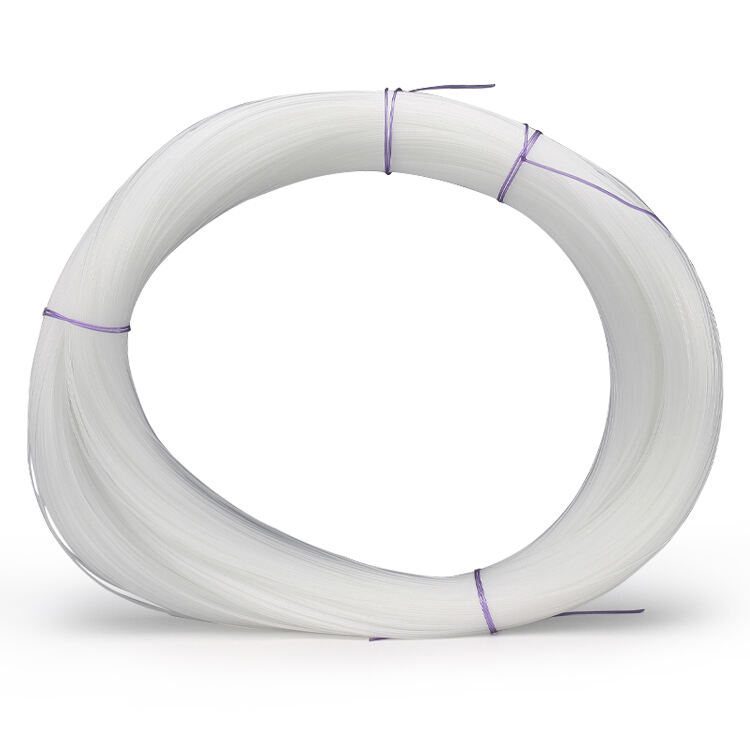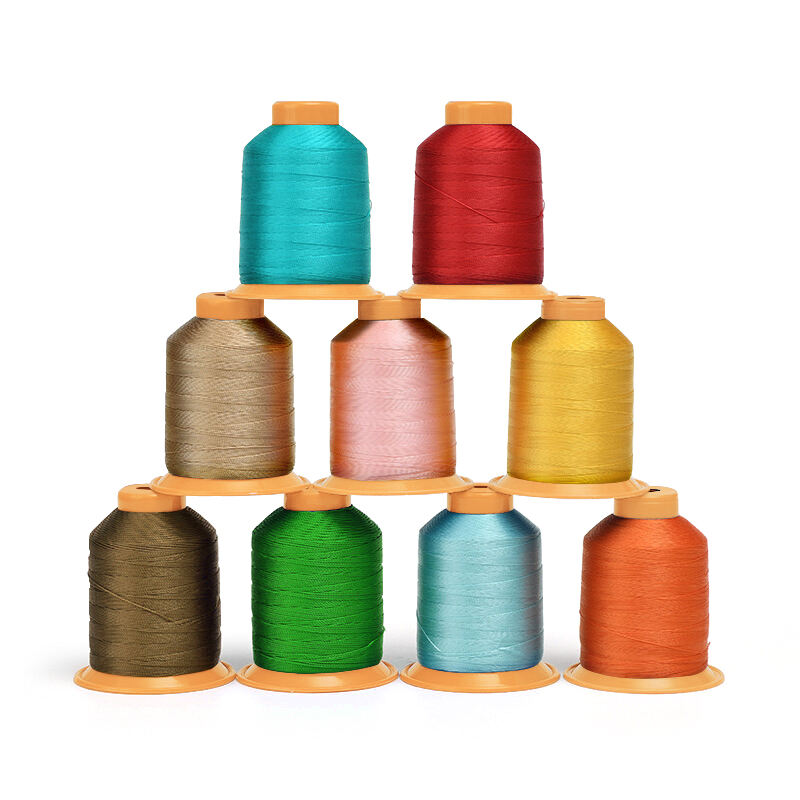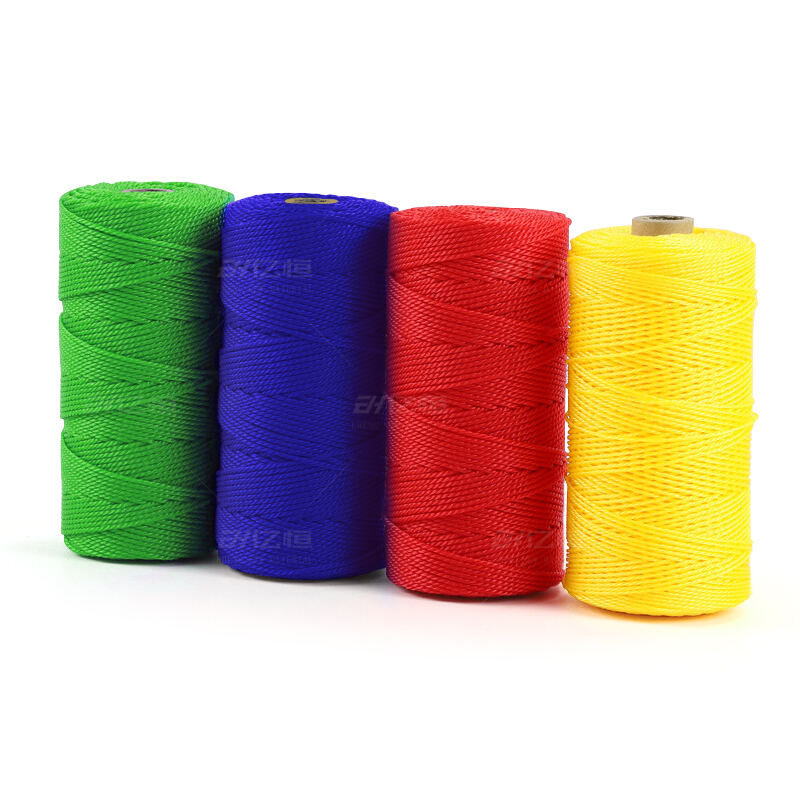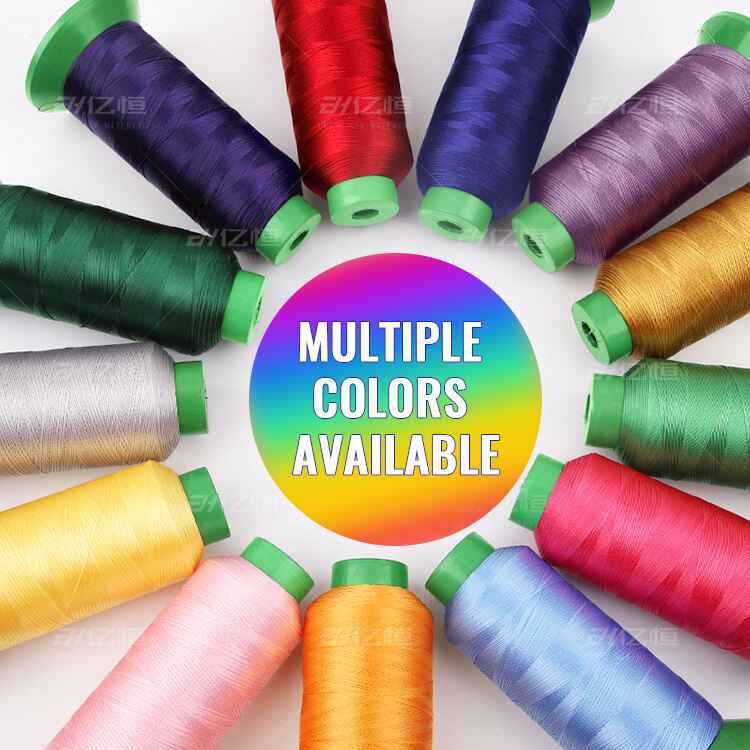
Polyethylene yarn is produced from by a material called polyethylene. This is a plastic that cannot be detected on the human body and is produced from crude oil, a natural resource that exists deep underground. The plastic must first to be softened and melted down to create polyethylene filament yarn. Once melted, plastic is forced through small openings. “This process makes those long, thin strands of yarn that can be used in so many different ways. These fibers are twisted or knit together to form our fabrics, which we wear or use.
The most important property of is its great strength and durability. It makes it widely durable, meaning that the watch can withstand very hard environments without breakage or damage. It is also moisture-proof, so it won’t be easily ruined if splashed. Polyethylene yarn is also very easy to clean, so it helps maintain the appearance of our clothes and other items. This is why polyethylene yarn is an ideal option for creating products such as bags, carpets, and even outdoor furniture for our backyards or in a park.
Lightweight is another great thing about polyethylene yarn. This is excellent for making clothes that are nice and easy to wear, particularly warm-weather garments. Over time, we see more and more people using polyethylene yarn for the textile industry due to its better wear and weathering characteristics versus traditional yarns widely utilized in the market.
Polyester yarn has evolved significantly since its inception. In the beginning it was mainly used for industrial purposes like packaging materials and ropes. However, with technological advancements, the use of polyethylene yarn has also increased. Now, it appears in a multitude of products, from apparel to car parts. Polyethylene yarn, therefore, is a versatile and useful material that has become popular and useful over time.

The most significant benefit of polyethylene yarn is its exceptional strength. Not easily torn or broken, this material is perfect for use with products that need to be durable and long-lasting. Polyethylene yarn is also waterproof, as well as being strong. This is what makes it resistant to water damage, and is what is reflective of outdoor products such as furniture that are left outside. Furthermore, it has UV damage resistance, protecting it from the sun's rays. This is why polyethylene yarn works well in items like outdoor furniture, camping gear, and tents that we use when we go on adventures.
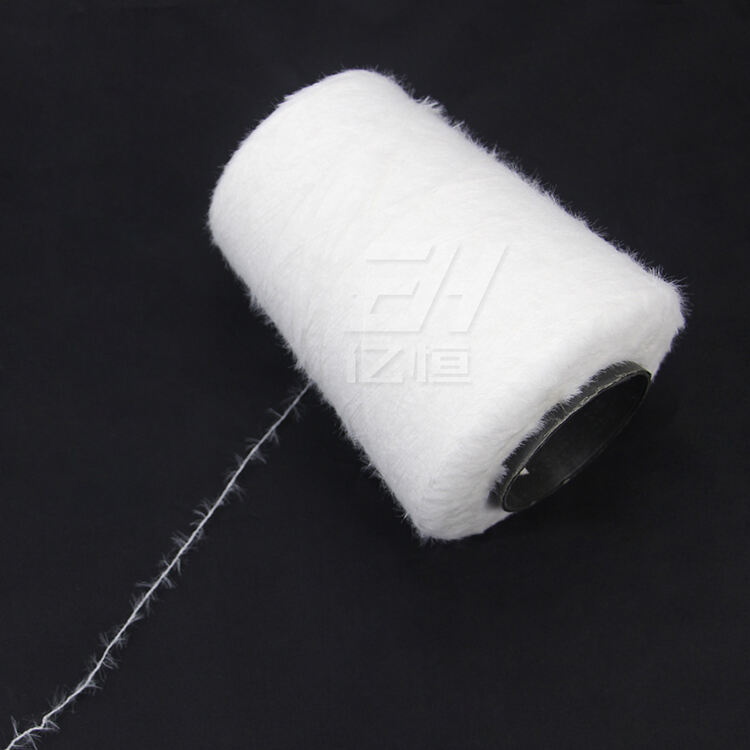
Therefore, in the textile industry, based on the excellent wear resistance and weather resistance of polyethylene yarn, it is becoming more and more popular in the textile industry, and it has better performance than traditional textile yarns and can be popular. This is why polyvinyl-coated polyethylene yarn products are manufactured to be more durable and retain their appearance longer than items not using this type of yarn if they are kept outdoors. Polyethylene yarn is also relatively inexpensive, which can make it appealing to manufacturers who are looking to lower production costs. They can also design reliable products without high price.
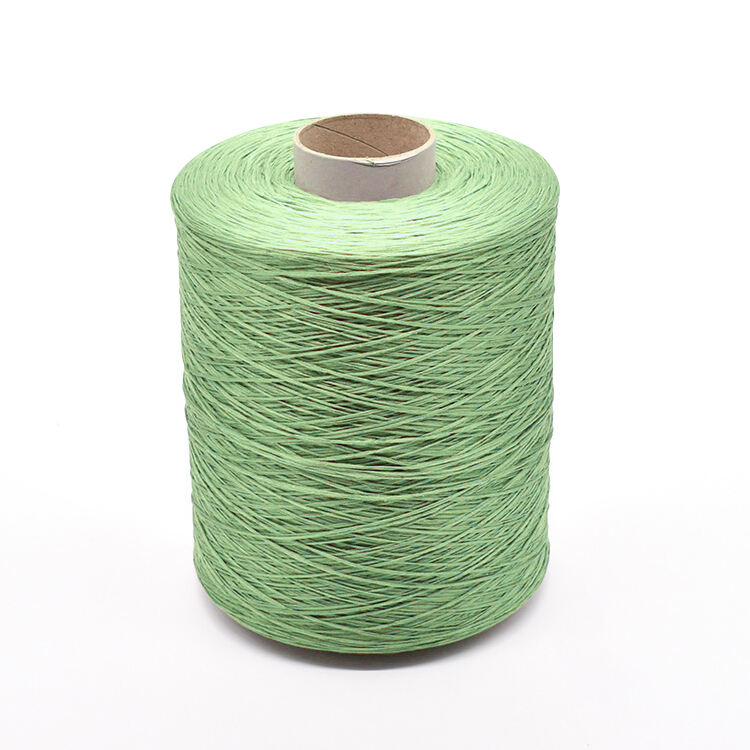
One such company that has seen the many advantages of polyethylene yarn in their textile products is Eheng. Eheng produces different items, from outdoor furniture and bags to camping gear, all made with the thick, durable polyethylene yarn. "We know that people are looking for quality and durability in their products and the polyethylene yarn helps fulfill that requirement". That's why Eheng still insists on using PE yarn for their products.
Our products—dyed with eco-friendly colorants and compliant with CPSIA, REACH, and international sustainability standards—are exported to over 20 countries, building long-term trust with partners in the US, Europe, Asia, and beyond.
Supported by an R&D team with over 15 years of experience, we offer extensive customization—from 600+ standard colors to 1–300 kg sample dyeing—ensuring tailored solutions for every client across fashion, textile, and industrial applications.
We operate more than 100 production units with complete in-house dyeing and finishing, backed by a strict quality control system that ensures 100% inspection of every product before shipment, guaranteeing consistency and reliability.
Our high-tech facility specializes in 11 series of differentiated filament yarns—including monofilament, FDY, DTY, PBT, and functional yarns—widely used in apparel, home textiles, and sportswear, with all products certified to Oeko-Tex 100 and GRS standards.
Nantong EHENG produce Monofilament (PA, PES, PET, PP, PLA), Nylon yarn, Twisted yarn, Covered Yarn, Fancy yarn, Sewing thread, BCF yarn, Low melting yarn.
NO.9 Ximeng Road, Development Zone, Haian, China 226600
Copyright © Nantong Eheng New Material Technology Co., Ltd. All Rights Reserved - Privacy Policy
 EN
EN
 AR
AR
 BG
BG
 HR
HR
 CS
CS
 DA
DA
 NL
NL
 FI
FI
 FR
FR
 DE
DE
 EL
EL
 HI
HI
 IT
IT
 JA
JA
 KO
KO
 NO
NO
 PL
PL
 PT
PT
 RO
RO
 ES
ES
 SV
SV
 CA
CA
 TL
TL
 ID
ID
 LV
LV
 LT
LT
 SR
SR
 VI
VI
 SQ
SQ
 HU
HU
 MT
MT
 TH
TH
 TR
TR
 MS
MS
 GA
GA
 LO
LO
 LA
LA
 BN
BN
 SK
SK
 SL
SL