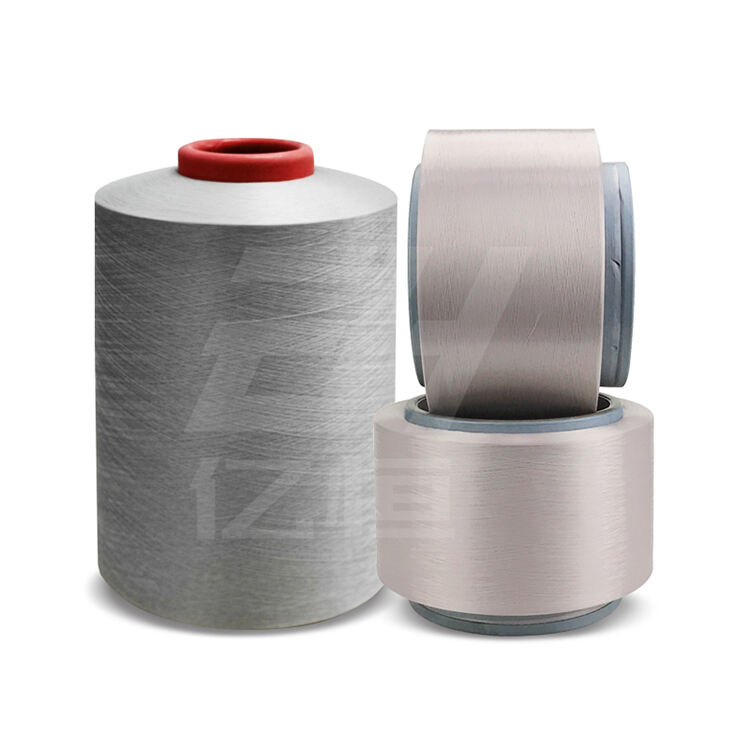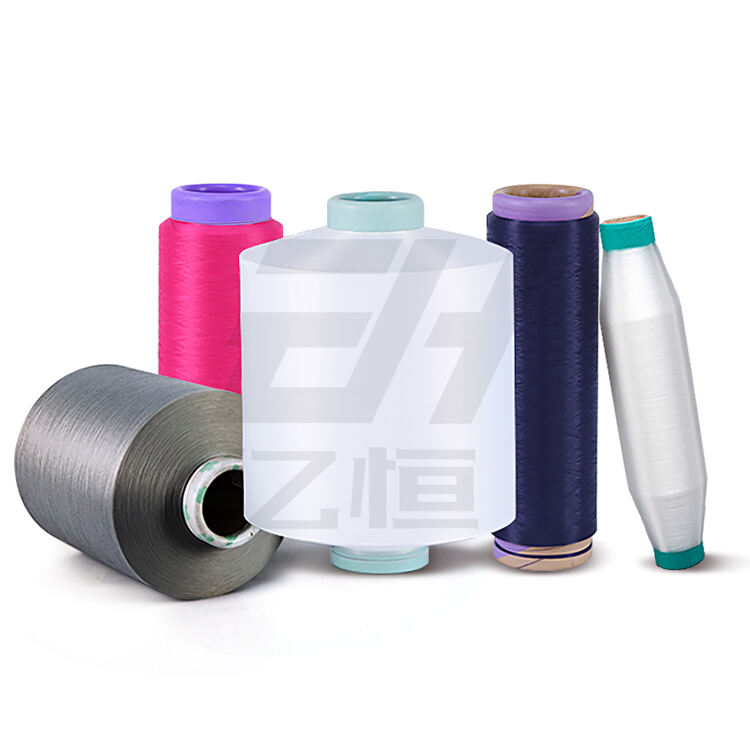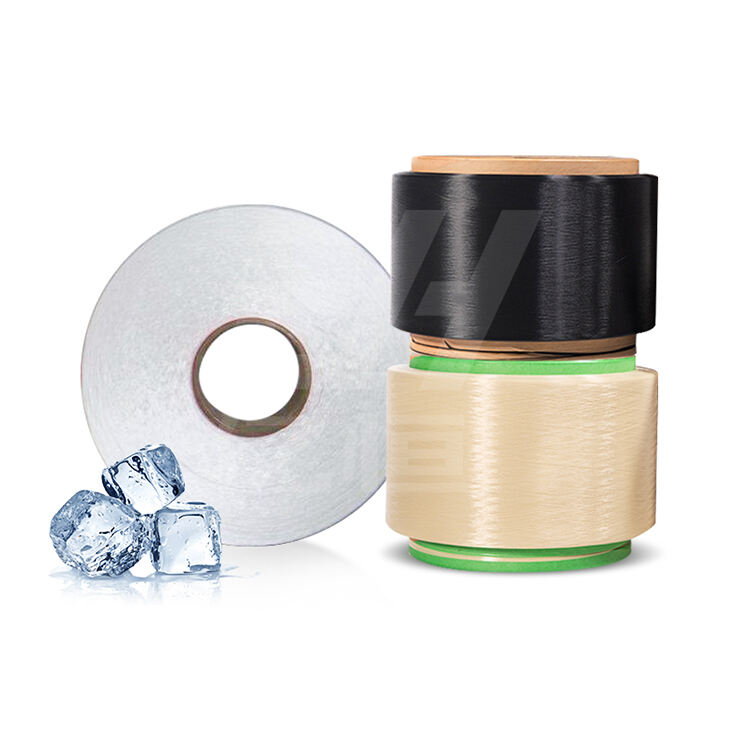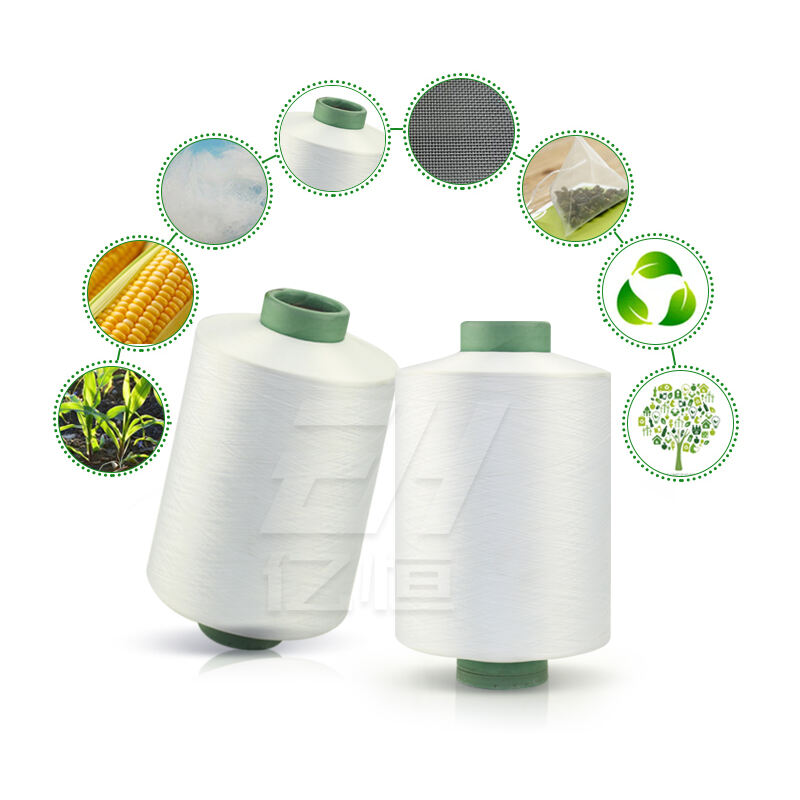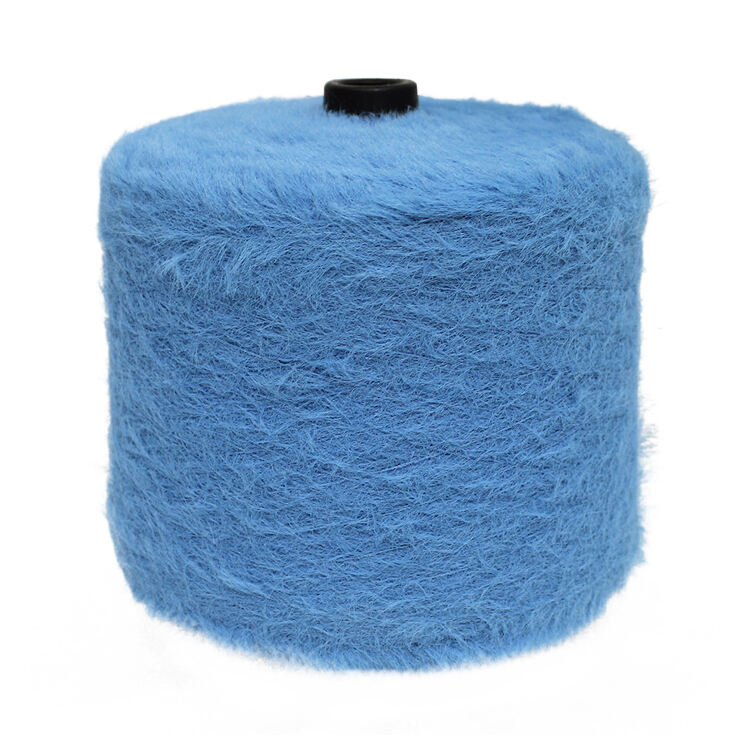
Polypropylene (Pp) Monofilament Yarn Polypropylene (Pp) Monofilament Yarn is a strong material known for its good resistance to chemicals, sunlight and other external use. The yarn has special characteristics, well-adapted for many uses. Let's have a look at the benefits and uses of Pp Monofilament Yarn.
ADVANTAGES OF PP MONOFILAMENT YARN Pp Monofilament Yarn is in demand because of the following advantages:. One of the many advantages of this method is the sturdiness and firmness of the yarn. It is recognised for its superior tensile strength, and is often used in applications where strength is most important. Pp Monofilament Yarn is also resistant to abrasion, chemicals and UV light and hence suitable for outdoor applications.
In addition, Pp Monofilament Yarn is strong and durable, so it's comfortable to use and has many uses. Its low water uptake ensures stability in many environments. This thread is not only resistant to mildew, rot and many common chemicals but also has nylon’s strength. In short, Pp Monofilament Yarn has the perfect blend of strength, wear and resistance which makes it a durable and practical option for various industries.
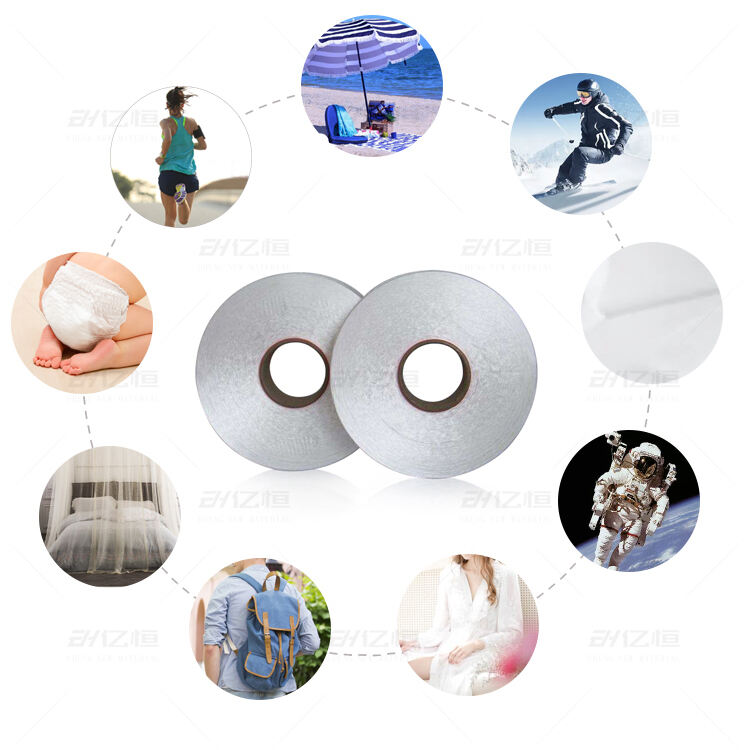
Construction Industry : In geotextiles, concrete reinforcement and erosion control Pp Monofilament Yarn. It is also resistant to chemicals and long-lasting, so it is a very good construction product for projects needing durability. It is also processed for the production of industrial fabrics, ropes and twines as a result of its good tensile-strength and excellent flexural-modulus properties.
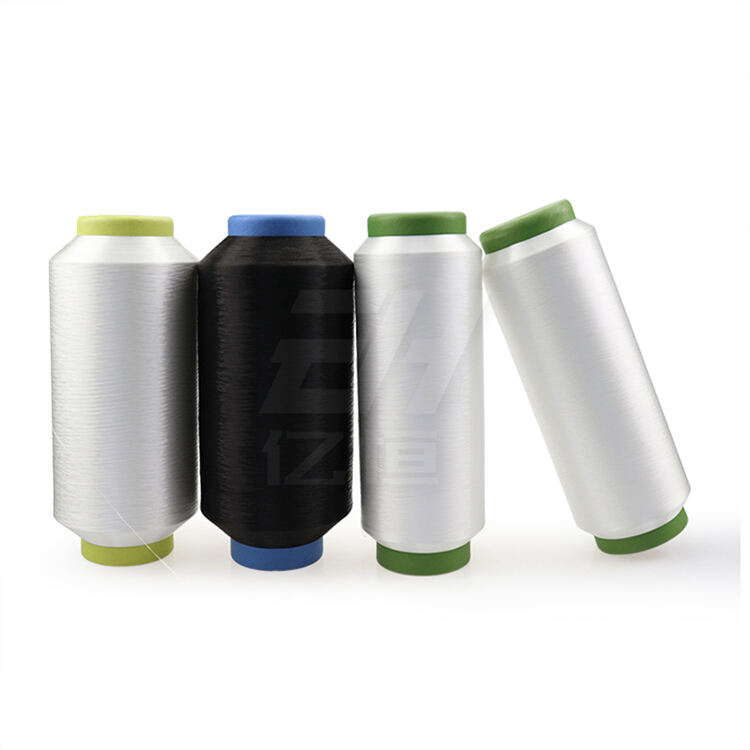
In addition, such yarns are also used in the manufacture of sports nets, furniture fabrics and automotive parts. It's strength and durability makes it a great choice for use in the field, the lab or wherever you need a material that can stand up to what ever situation you can throw at it. In general, Pp Monofilament Yarn are indispensable in different industries offering products with a long service life and excellent performance.
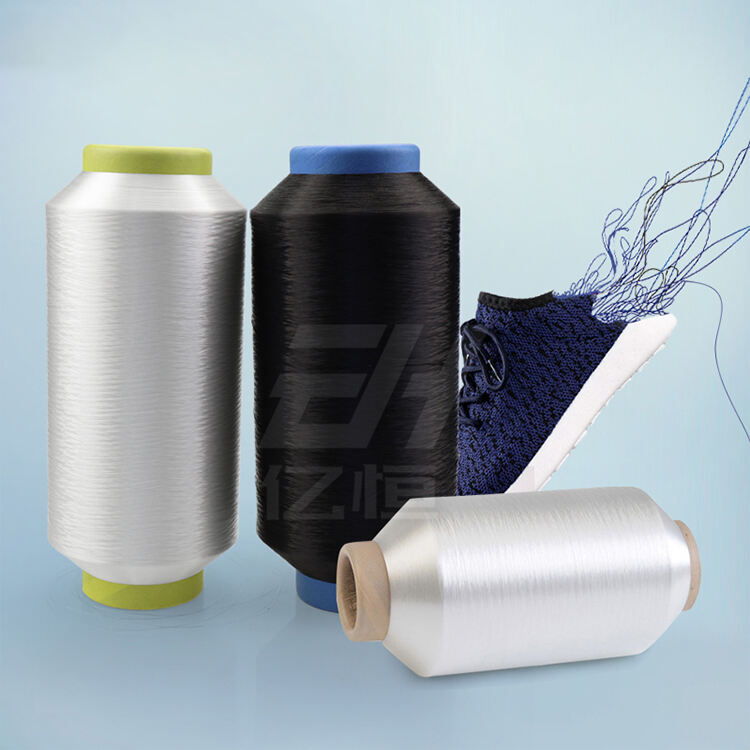
Pp monofilament yarn is the choice for strong and hard wearing applications. But there are some grievances that the buyers may have with this type of yarn. One problem is that Pp monofilament yarn may frayed or unwound if it is subjected to rough treatment (violence) such as though break and the like. "This can result in diminished end-quality aesthetics and performance of the final product. Another drawback is that type of monofilament yarn Pp may have limited colors to choose from comparative with other types of yarns, that may be a deterrent for buyers who are after specific color for their project. On the other hand, Pp monofilament yarn is relatively more expensive compared to other yarn types and is also in question for budget constraint customers.
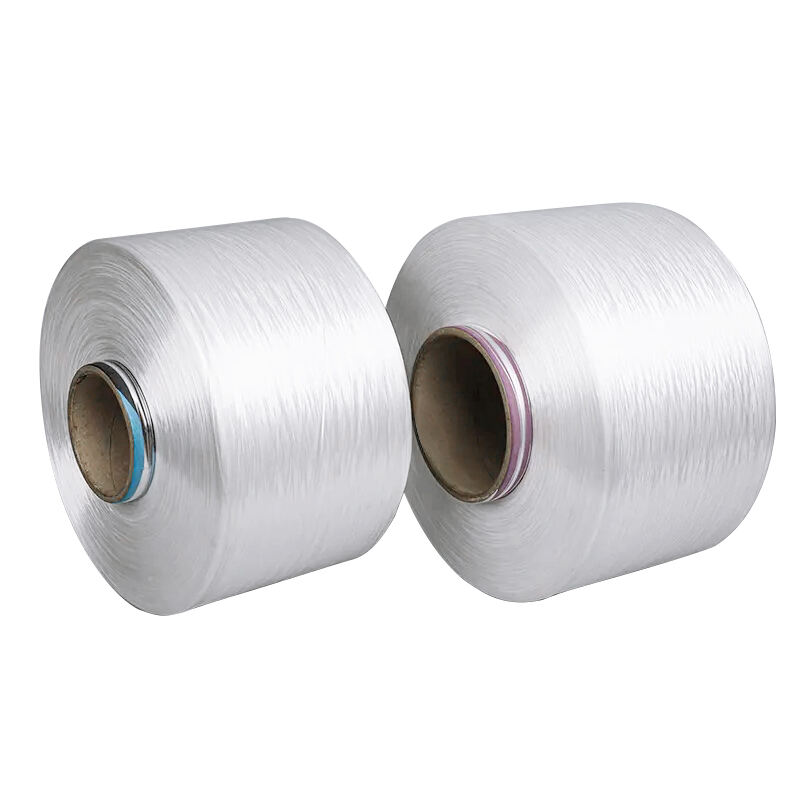
When it comes to contract pricing Pp monofilament yarn, there are a few pieces of information that you need to bear in mind before making any irrational decisions. Well, the first thing any crocheter wants to check is the quality of yarn. Find a good looking yarn made from good materials with a decent construction. This is to guarantee that the finished product will be of best quality. Also, wholesale customers should consider how much yarn they will need for their project. No doubt, it is the most requested question ever!”Ordering yarn patterns for your project is not that easy!Making sure to order the right quantity of yarn and joinning mystery KALs Worldwideis key to avoid missing out during a project or wasting any excessive ball of yarn. To end, Wholesale customers are encouraged to also factor in the pricing of yarn. Special Weaved Pp Mono Yarn is worth a little extra cost to preventing other cheap-looking yarns from costing your project.
Our products—dyed with eco-friendly colorants and compliant with CPSIA, REACH, and international sustainability standards—are exported to over 20 countries, building long-term trust with partners in the US, Europe, Asia, and beyond.
Our high-tech facility specializes in 11 series of differentiated filament yarns—including monofilament, FDY, DTY, PBT, and functional yarns—widely used in apparel, home textiles, and sportswear, with all products certified to Oeko-Tex 100 and GRS standards.
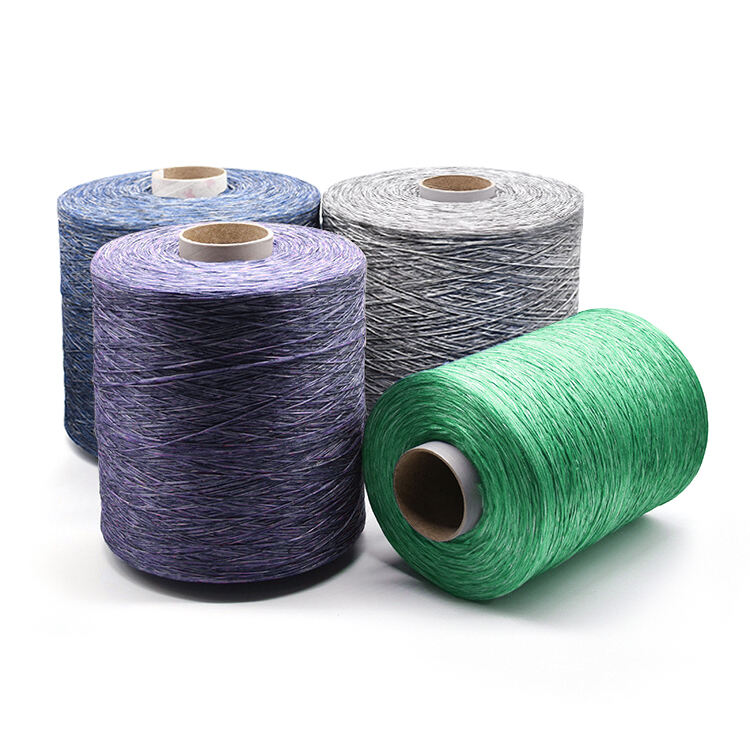
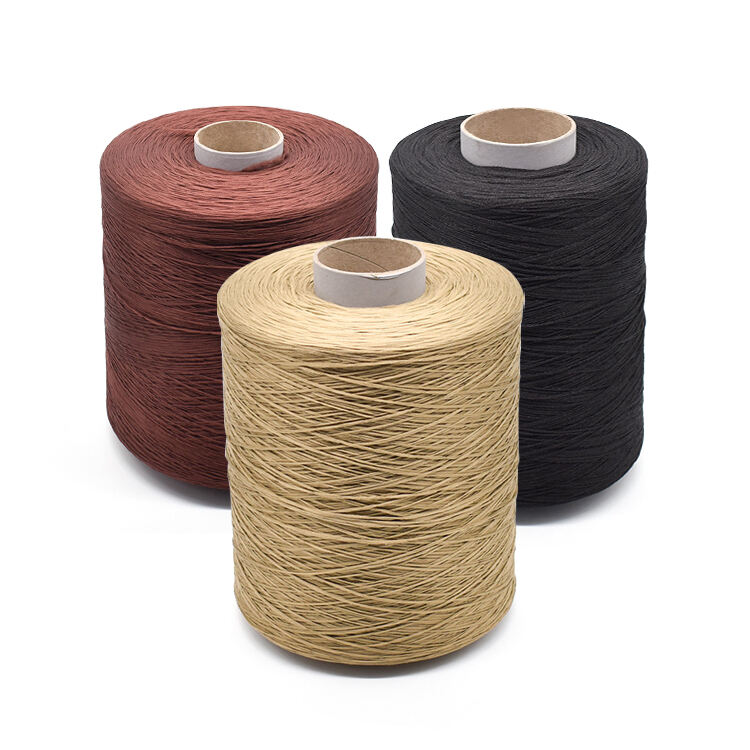
Supported by an R&D team with over 15 years of experience, we offer extensive customization—from 600+ standard colors to 1–300 kg sample dyeing—ensuring tailored solutions for every client across fashion, textile, and industrial applications.
We operate more than 100 production units with complete in-house dyeing and finishing, backed by a strict quality control system that ensures 100% inspection of every product before shipment, guaranteeing consistency and reliability.
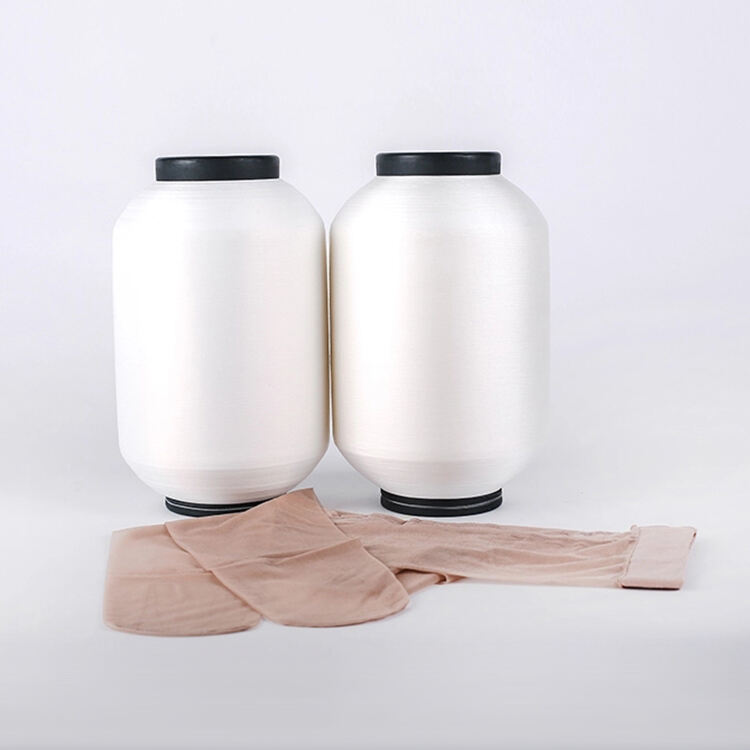
Nantong EHENG produce Monofilament (PA, PES, PET, PP, PLA), Nylon yarn, Twisted yarn, Covered Yarn, Fancy yarn, Sewing thread, BCF yarn, Low melting yarn.
NO.9 Ximeng Road, Development Zone, Haian, China 226600
Copyright © Nantong Eheng New Material Technology Co., Ltd. All Rights Reserved - Privacy Policy
 EN
EN
 AR
AR
 BG
BG
 HR
HR
 CS
CS
 DA
DA
 NL
NL
 FI
FI
 FR
FR
 DE
DE
 EL
EL
 HI
HI
 IT
IT
 JA
JA
 KO
KO
 NO
NO
 PL
PL
 PT
PT
 RO
RO
 ES
ES
 SV
SV
 CA
CA
 TL
TL
 ID
ID
 LV
LV
 LT
LT
 SR
SR
 VI
VI
 SQ
SQ
 HU
HU
 MT
MT
 TH
TH
 TR
TR
 MS
MS
 GA
GA
 LO
LO
 LA
LA
 BN
BN
 SK
SK
 SL
SL